Hans-Joachim Schneider/iStock/Getty Images
Potassium and iodine are two important nutrients you get naturally from foods. Your body relies on potassium to contract muscles, including your heart. All of your cells, tissues and organs require this mineral to function correctly. You need iodine for healthy growth and development because your body uses it to make thyroid hormones. The recommended dietary allowance or RDA of potassium, is 4,700 milligrams for adults and the RDA of iodine is 150 micrograms for adults.
Iodine in Fish, Seeds and Beans
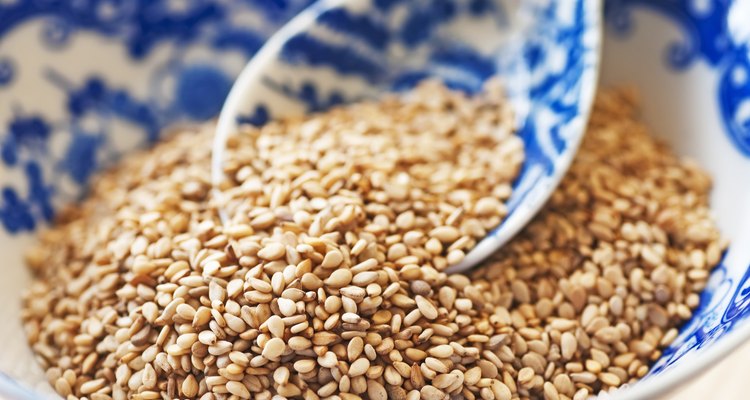
Seafood is one of the richest sources of iodine because seawater contains iodine. Fish and shellfish absorb this nutrient, which you then get when you eat foods such as cod, shrimp and tuna. Plants in the ocean, including brown seaweed kelp and wakame, are also excellent iodine sources, for the same reason. Sea salt naturally contains iodine, while table salt has iodine added to it. Garlic, sesame seeds, soybeans, navy beans and lima beans also supply you with this nutrient.
Other Iodine Sources
It is sometimes hard to estimate the iodine content of foods because it depends upon the iodine in the soil. Vegetables high in iodine include spinach, Swiss chard, summer squash, turnip greens and white potatoes. In the United States, iodine is added to animal feed, so dairy products are quality sources of iodine, as is baked turkey breast. Bakeries may add this mineral to dough as a stabilizing agent, making bread another source.
Potassium in Fruits and Vegetables
If you eat a diet rich in fruits and vegetables, then your potassium intake should be just fine. Bananas are known for their potassium, but plums, prune juice, raisins, orange juice and tomato juice have higher potassium levels than bananas. Avocados, cantaloupe, kiwis and apricots, especially dried apricots, contain this nutrient. A baked potato with skin boasts 926 milligrams of potassium, while artichokes, lima beans, spinach, winter squash, broccoli, peas and sweet potatoes will give you a healthy dose of this mineral.
Other Potassium Sources
Snack on a homemade trail mix of almonds, sunflower seeds and raisins for an excellent potassium boost. An ounce of sunflower seeds contains 241 milligrams and an ounce of almonds has 200 milligrams of potassium. Other nuts contain this nutrient as well, so you don’t have to go with almonds. You also get potassium from red meats, chicken and fish, which includes salmon, cod, flounder and sardines. Additional potassium sources include soy products, milk and yogurt.
Related Articles

A List of Foods That Contain Choline
Foods With Calcium Phosphate
Why Is Seaweed Good for the Thyroid?

Selenium For Children

How to Cook Mackerel in an Oven

Food Sources of Phosphatidylcholine

How to Cook Tarakihi
Nutritional Benefits of Butter Leaf ...

Substitutes for a Tuna Steak

Zinc Treatment for Rosacea
Calories in a Subway Cheese Pizza

Lack of Nutrients and Flaky, Dry Skin
Selenium & Silica
Potassium in Pinto Beans

Fuji Apples Health Benefits

What Is the Nutrition for Cranberry ...
Foods From Rainforest Plants

Avocado Serving Size & Nutrition
The Nutritional Value of Edamame Beans

What Are the Health Benefits of Red ...
References
Writer Bio
Michelle Fisk began writing professionally in 2011. She has been published in the "Physician and Sports Medicine Journal." Her expertise lies in the fields of exercise physiology and nutrition. Fisk holds a Master of Science in kinesiology from Marywood University.
Photo Credits
Hans-Joachim Schneider/iStock/Getty Images