Eat Better
Get Fit
Manage Weight
Live Well
More
Challenges
Topics A-Z
Category Directory
About Us
JOIN OUR NEWSLETTER
JOIN OUR NEWSLETTER
Weight Loss Information
Home
Weight Management
Weight Loss
Weight Loss Information
By
Jaime Osnato
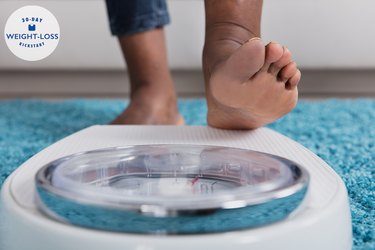
Should You Weigh Yourself Every Day?
Weight Management
By
Bojana Galic
Fact Checked
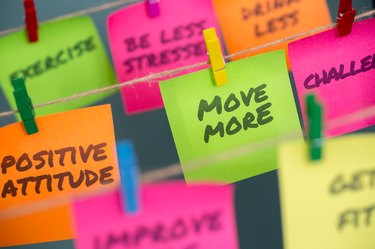
5 Resolutions Weight-Loss Experts Want You to Make This Year
Weight Management
By
Marygrace Taylor
Exactly When to Weigh Yourself When You're Trying to Lose Weight
Weight Management
By
Diana Bruk
Expert Reviewed
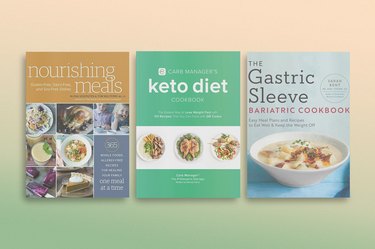
The 15 Best Healthy Weight-Loss Cookbooks, According to Dietitians
Weight Management
By
Diana Bruk
Expert Reviewed
The 14 Best Weight-Loss Books to Read in 2024
Weight Management
By
Jaime Osnato
You Shouldn’t Compliment Someone’s Weight Loss. Here’s What to Say Instead
Weight Management
By
Maria Masters
Expert Reviewed
67 Weight-Loss Statistics You Should Know
Weight Management
By
Emma Steven and Jaime Osnato
10 Weight-Loss ‘Rules’ Doctors Want You to Stop Following
Weight Management
By
Marygrace Taylor
Stop Thinking About What You 'Should' Weigh — Here's How to Find Your Body's Happy Range
Weight Management
By
Christine Mugnolo
Expert Reviewed
11 Reasons You Shouldn't Do That Detox or Cleanse
Weight Management
By
Ashley Macha
How to Communicate Your Boundaries About Food and Weight With Friends and Family Around the Holidays
Weight Management
By
Jaime Osnato
5 Weight-Loss Mistakes That Have Nothing to Do With Food
Weight Management
By
Jaime Osnato
Expert Reviewed
Do You Lose Weight When You Poop? And Do You Poop More When Losing Weight?
Weight Management
By
Jaime Osnato
Snacking Can Help You Lose Weight — Unless You’re Making These 5 Mistakes
Weight Management
By
Sarah Pflugradt
Expert Reviewed
7 Reasons Why You Can’t Seem to Lose the Weight
Weight Management
By
Kendall Wenaas
6 Behavioral Science Principles That Can Help You Lose Weight
Weight Management
By
Jaime Osnato
Craving Sugar on Your Weight-Loss Plan? You Might Be Making These 6 Mistakes
Weight Management
By
Alex Taylor
An RD’s 5 Tips For Losing Weight After Lockdown
Weight Management
By
Sarah Watts
Fact Checked
4 Surprising Benefits of Losing Weight After 50
Weight Management
By
Emma Steven
Expert Reviewed
Cutting Calories for Weight Loss? This Is the Lowest You Should Go
Weight Management
By
Jessica Migala
Expert Reviewed
7 'Healthy' Habits That Can Actually Cause Weight Gain
Weight Management
By
Jody Braverman
Expert Reviewed
What Really Happens to Your Body When You Lose 10 Pounds
Weight Management
By
Lindsay Tigar
Expert Reviewed
The Best Tips for Losing Weight in Your 50s, 60s and Beyond
Weight Management
By
Isadora Baum
Fact Checked
7 Diet 'Rules' Nutritionists Want You to Stop Following
Weight Management
By
Sarah Watts
Fact Checked
5 Small Changes Dietitians Wish More People Would Make
Weight Management
By
Kelly Plowe
5 Things to Do Instead of Detoxing After a Big Meal
Weight Management
By
The LIVESTRONG.com Team
The Wellness Trends That Defined 2019 — and Where We’re Headed in 2020
Weight Management
By
Hallie Levine
Expert Reviewed
5 Things You Should Do Instead of Dieting in 2020
Weight Management
By
Karen Pallarito
6 of the Most Interesting Things We Learned About Weight This Year
Weight Management
By
Lindsay Tigar
Expert Reviewed
6 Dos and Don'ts of Using a Measuring Tape to Track Your Weight Loss
Weight Management
By
Lindsay Tigar
CW? NSV? How to Decipher Weight-Loss Forum Lingo
Weight Management
By
Bojana Galic
4 Reasons Sleep Is So Important for Weight Loss
Weight Management
By
Ashley Macha
Is It Ever 'Too Late' to Lose Weight?
Weight Management
By
Kelly Glass
5 Simple Ways to Stop Age-Related Weight Gain
Weight Management
By
Lindsay Tigar
Expert Reviewed
Why Do Some People Lose Weight Faster Than Others?
Weight Management
By
Bojana Galic
3 Ways Your Weight and Your Poop Are Connected
Weight Management
By
Kaitlin Ahern
Expert Reviewed
The Best Tips for Every Stage of Your Weight-Loss Journey
Weight Management
By
Hallie Levine
Why Your Diet Can Kill Your Libido — and What to Do About It
Weight Management
By
Ashley Macha
How to Set a Realistic Goal Weight
Weight Management
By
Isadora Baum
6 Things You Should Never Say to Someone Who's Losing Weight
Weight Management
By
Marygrace Taylor
How to Tell if a Nutrition or Weight-Loss Story Is Legit
Weight Management
By
Kaitlin Ahern
Expert Reviewed
How to Find the Weight-Loss Program That Will Work for You
Weight Management
By
Emma Steven
5 Ways Your Phone Is Sabotaging Your Weight-Loss Goals — and 4 Ways It Can Help
Weight Management
By
Sarah Pflugradt
Expert Reviewed
Here's What You Should Know Before You Try Jenny Craig
Weight Management
By
Ashley Macha
Expert Reviewed
7 Kitchen Hacks That Make Eating Healthy So Much Easier
Weight Management
By
Marygrace Taylor
How Microplastics Might Be Messing With Your Weight
Weight Management
By
Isadora Baum
Expert Reviewed
10 Dos and Don'ts for Using a Food Diary
Weight Management
By
Jaime Osnato
10 of the Most Common Weight-Loss Mistakes
Weight Management
By
Christine Mugnolo
Expert Reviewed
How to Lose Weight Fast — the Healthy Way
Weight Management
By
Marygrace Taylor
8 Easy Things to Do Every Night to Lose More Weight
Weight Management
By
Marygrace Taylor
Fact Checked
6 Reasons You're Not Losing Weight — and How to Start Making Progress
Weight Management
By
Jess Barron
Jillian Michaels' 4 Top Fitness and Wellness Tips
Weight Management
By
Collette Stohler
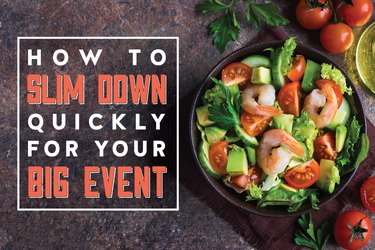
How to Slim Down Quickly for Your Big Event
Weight Management
By
Eric Bach
How to Use Rest Periods to Maximize Your Fat Loss
Weight Management
By
Patrick Striet
The 7 Principles of Fat Loss
Weight Management
By
Lambeth Hochwald
12 Dos and Don'ts of Intermittent Fasting
Weight Management
By
Joshua U. Klein, MD
Does High Blood Pressure Lower the Chances of Getting Pregnant?
Weight Management
By
Henry Halse
Expert Reviewed
What Is a Good Protein Shake for a Ketosis Diet?
Weight Management
By
Sandi Busch
What to Do If You Are Tired & Unmotivated
Weight Management
By
Alison McConnell
The Best Ways to Lose Weight & Get in Shape in 50 Days
Weight Management
By
Jessica Taylor
How to Slim Down the Thighs When You Have Bad Knees
Weight Management
By
Lindsay Boyers
Expert Reviewed
Staying in Ketosis vs. Carb Cycling
Weight Management
By
Susy Sedano
The 20 Best Fitness Tips of All Time
Weight Management
By
Christine Mugnolo
Expert Reviewed
Do Heat Treatments Really Destroy Belly Fat?
Weight Management
By
Sarah Ellis
Expert Reviewed
100 Squats a Day for Weight Loss
Weight Management
By
Eliza Martinez
Cupping of the Belly Button
Weight Management
By
Donna LeQuesne
Wellbutrin With Vitamins
Weight Management
By
Sirah Dubois
Weight Loss With Metformin & Topamax Together
Weight Management
By
Natalie Stein
Can You Lose Weight by Eating Veggie Burgers?
Weight Management
By
Emma Watkins
Does Losing Weight Regulate Your Period?
Weight Management
By
Ellen Douglas
Does Losing Weight Affect Your Kidneys?
Weight Management
By
Siddhi Camila Lama, MS, PhD, CNC, CPT
Expert Reviewed
Can You Lose Weight by Not Eating Bread, Rice & Pasta?
Weight Management
1
2
3
4
5
Next
Report an Issue
Contact*:
Severity*:
High
Normal
Low
Description*:
Screenshot loading...
Cancel
Submit