Eat Better
Get Fit
Manage Weight
Live Well
More
Challenges
Topics A-Z
Category Directory
About Us
JOIN OUR NEWSLETTER
JOIN OUR NEWSLETTER
Food and Weight Loss
Home
Weight Management
Weight Loss
Food and Weight Loss
By
Kathleen Felton
Why Some People Have More 'Food Noise' and How to Quiet It
Weight Management
By
Alyssa Hui
Expert Reviewed
5 Myths About Fruit That Could Prevent You From Losing Weight
Weight Management
By
Kelly Plowe
Expert Reviewed
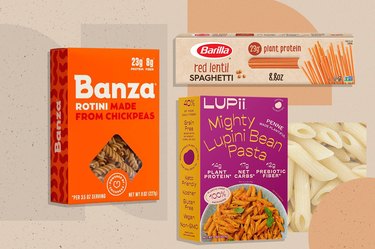
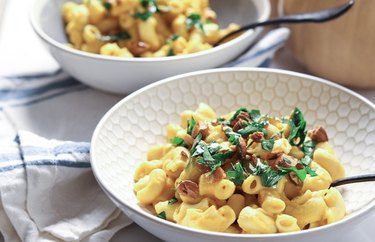
The Best Pastas for Weight Loss, According to a Dietitian
Weight Management
By
Marygrace Taylor
Expert Reviewed
5 Myths About Sugar That Could Prevent You From Losing Weight
Weight Management
By
Marygrace Taylor
Expert Reviewed
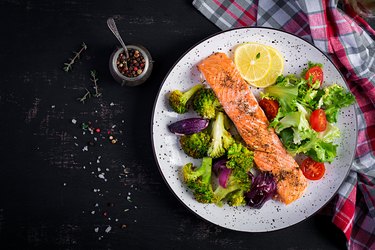
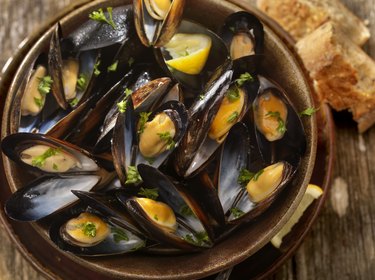
Seafood Can Help You Lose Weight, Unless You're Making These 4 Mistakes
Weight Management
By
Jaime Osnato
Expert Reviewed
Bread Can Help You Lose Weight — Unless You’re Making These 5 Mistakes
Weight Management
By
Brierley Horton
5 Diet Mistakes That Make Cravings Worse
Weight Management
By
Brierley Horton
Expert Reviewed
Peanut Butter Can Help You Lose Weight, Unless You're Making These 4 Mistakes
Weight Management
By
Brierley Horton
4 Mistakes to Avoid When Eating Chocolate for Weight Loss
Weight Management
By
Jaime Osnato
Fact Checked
5 Smart Tips to Organize Your Fridge for Weight Loss
Weight Management
By
Brierley Horton
Expert Reviewed
Trying to Lose Weight? Here Are 4 Canned Foods to Enjoy and 4 to Avoid
Weight Management
By
Brierley Horton
Expert Reviewed
Should You Be Skipping Dinner to Lose Weight?
Weight Management
By
Brierley Horton
4 Myths About Protein That Could Prevent You From Losing Weight
Weight Management
By
Brierley Horton
Expert Reviewed
Beans Can Help You Lose Weight — Unless You're Making These 4 Mistakes
Weight Management
By
Jaime Osnato
Expert Reviewed
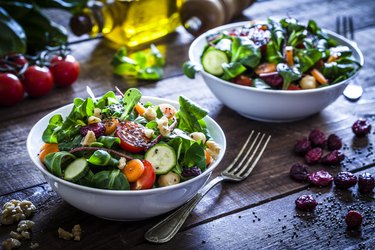
Salad Can Help You Lose Weight — Unless You're Making These 8 Mistakes
Weight Management
By
Jaime Osnato
Why You Should Stop Thinking of Food as 'Good' or 'Bad,' and 6 Tips to Shift Your Mindset
Weight Management
By
Brierley Horton
Expert Reviewed
Soup Can Help You Lose Weight — Unless You're Making These 5 Mistakes
Weight Management
By
Brierley Horton
The 3 Worst Low-Carb Foods for Weight Loss
Weight Management
By
Kelly Plowe
Expert Reviewed
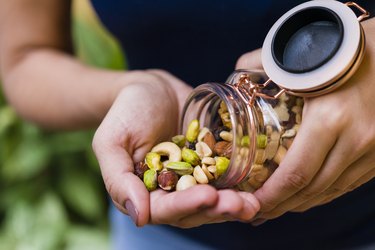
Nuts Can Help You Lose Weight — Unless You're Making These 5 Mistakes
Weight Management
By
Sarah Pflugradt
5 High-Fiber, Low-Calorie Foods That Can Help You Lose Weight
Weight Management
By
Jaime Osnato
Fact Checked
6 Myths About Carbs That Could Prevent You From Losing Weight
Weight Management
By
Kelly Plowe
Trying to Lose Weight? Here Are 4 Desserts to Enjoy, and 2 to Avoid
Weight Management
By
Kelly Plowe
Expert Reviewed
Trying to Lose Weight? Here Are 5 Cheeses to Enjoy and 2 to Avoid
Weight Management
By
Sarah Pflugradt
The 5 Best High-Fiber Snacks for Weight Loss
Weight Management
By
Bojana Galic
4 Volume-Eating Mistakes That Can Hinder Your Weight-Loss Goals
Weight Management
By
Kelly Plowe
Trying to Lose Weight? Avoid These 5 Lunch Mistakes
Weight Management
By
Lindsay Tigar
Expert Reviewed
5 Signs You're Eating Too Many Carbs
Weight Management
By
Brierley Horton
Expert Reviewed
A 7-Day High-Fiber Meal Plan to Help You Lose Weight
Weight Management
By
Claudia Thompson
Fact Checked
The Best Low-Carb Foods for Losing Weight
Weight Management
By
Kelly Plowe
Expert Reviewed
Yogurt Can Help You Lose Weight — Unless You're Making These 5 Mistakes
Weight Management
By
Claudia Thompson
Fact Checked
The 6 Best Veggies for Weight Loss, According to a Dietitian
Weight Management
By
Kelly Plowe
Trying to Lose Weight? Here Are 4 Plant-Based Foods to Enjoy and 3 to Avoid
Weight Management
By
Kelly Plowe
Expert Reviewed
Trying to Lose Weight? Here Are 5 Meats to Enjoy and 3 to Avoid
Weight Management
By
Kelly Plowe
Eggs Can Help You Lose Weight — Unless You’re Making These 5 Mistakes
Weight Management
By
Jaime Osnato
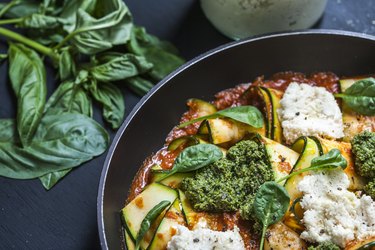
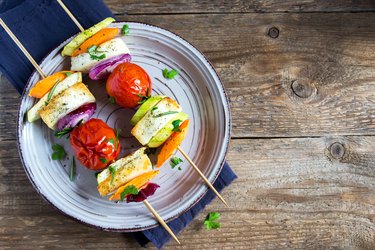
5 Tasty Spaghetti Squash Recipes to Get Your Pasta Fix in Fewer Than 500 Calories
Weight Management
By
Brierley Horton
Expert Reviewed
Sauerkraut Is a Triple Threat for Weight Loss — Here Are 3 Creative Ways to Eat More
Weight Management
By
Claudia Thompson
Expert Reviewed
The 6 Best Fiber-Rich Foods for Weight Loss
Weight Management
By
Kate Bratskeir
Leafy Greens Can Help You Lose Weight — Here Are 5 Sneaky Ways to Eat More
Weight Management
By
Tiffany Ayuda
Fiber Can Help You Lose Weight — but Don't Make These 3 Mistakes
Weight Management
By
Kelly Plowe
Expert Reviewed
Trying to Lose Weight? Here Are 5 Processed Foods to Enjoy and 5 to Avoid
Weight Management
By
Kelly Plowe
Want to Lose Weight? Stop Making These 6 Breakfast Mistakes
Weight Management
By
Kelly Plowe
Trying to Lose Weight? Here Are 5 Snacks to Enjoy and 3 to Avoid
Weight Management
By
Kelly Plowe
Expert Reviewed
You Can Still Eat Dessert and Lose Weight, Unless You're Making These 3 Mistakes
Weight Management
By
Brittany Risher
Expert Reviewed
Trying to Lose Weight? These 7 Fruits Are the Best to Eat
Weight Management
By
Kelly Plowe
Trying to Lose Weight? Here Are 4 Breakfasts to Enjoy and 3 to Avoid
Weight Management
By
Claudia Thompson
The 4 Best Probiotic-Rich Foods to Add to Your Weight-Loss Diet
Weight Management
By
Sarah Pflugradt
7 Best Fall Foods for Weight Loss
Weight Management
By
Brierley Horton
These 13 Plant-Based Recipes All Clock in Under 400 Calories
Weight Management
By
Molly Triffin
Expert Reviewed
How Bad Is It Really to Eat Dessert Every Day?
Weight Management
By
Kate Bratskeir
10 Cooking Mistakes People Often Make When Trying to Lose Weight
Weight Management
By
Kelly Plowe
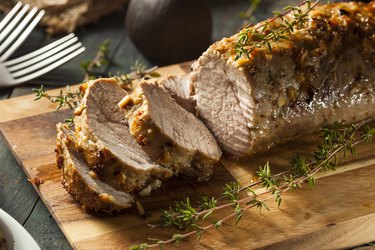
Trying to Lose Weight? Here Are 6 Proteins to Enjoy and 3 to Avoid
Weight Management
By
Kelly Plowe
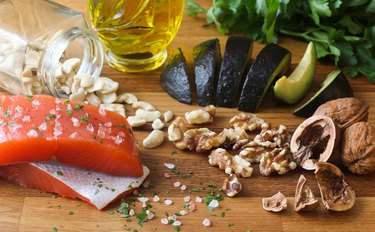
Trying to Lose Weight? Here Are 4 Fats to Enjoy and 2 to Avoid
Weight Management
By
Kate Bratskeir
Fact Checked
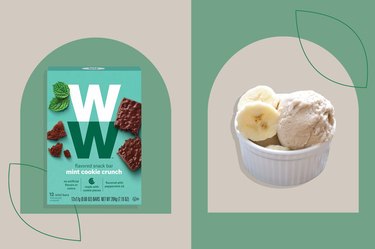
15 WW Desserts Under 4 Points to Satisfy Your Sweet Tooth
Weight Management
By
Kelly Plowe
Expert Reviewed
Trying to Lose Weight? Here Are 6 Carbs to Enjoy and 3 to Avoid
Weight Management
By
Kelly Plowe
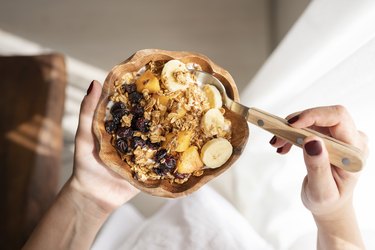
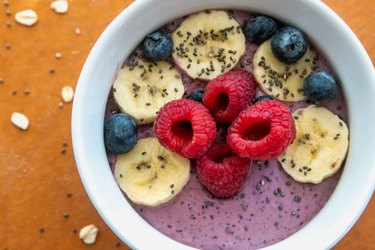
These 6 Smoothie Bowl Recipes All Clock in Under 400 Calories
Weight Management
By
Kelly Plowe
These 6 Filling Summery Salads All Clock in Under 350 Calories
Weight Management
By
Bojana Galic
7 Weight-Loss Hacks That Will Help You Eat More Food for Fewer Calories
Weight Management
By
Marygrace Taylor
Struggle With All-Day Grazing? Schedule an Official Snack Time to Prevent Overeating
Weight Management
By
Sarah Pflugradt
Expert Reviewed
15 Weight Loss-Friendly Foods to Add to Your Diet
Weight Management
By
Jaime Osnato
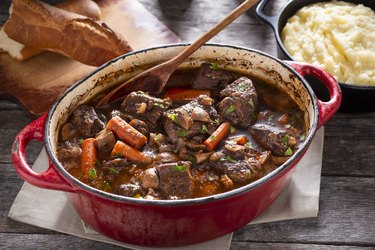
20 WW-Friendly Dinner Recipes for Less Than 10 SmartPoints Each
Weight Management
By
Kelly Plowe
Expert Reviewed
Oatmeal Can Help You Lose Weight — but Don't Make These 3 Mistakes
Weight Management
By
Sarah Pflugradt
Expert Reviewed
10 WW-Friendly Snacks That Satisfy a Sweet or Salty Craving
Weight Management
By
Sarah Pflugradt
Expert Reviewed
10 Protein-Packed Canned Bean Recipes Under 500 Calories Each
Weight Management
By
Jaime Osnato
Expert Reviewed
6 Make-Ahead Freezer Meals Using Fresh Produce — All Under 500 Calories
Weight Management
By
Anthea Levi
Expert Reviewed
5 Mindfulness Tricks to Help You Avoid Overeating When You're Stuck at Home
Weight Management
By
Jaime Osnato
Expert Reviewed
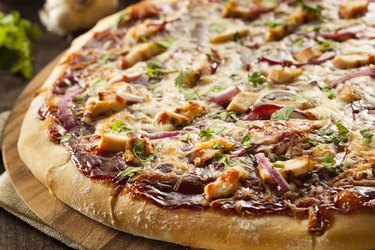
These 11 Easy Chicken Recipes All Clock in Under 500 Calories
Weight Management
By
Claudia Thompson
Expert Reviewed
How to Create the Best Salad for Your Diet Plan
Weight Management
By
Jaime Osnato
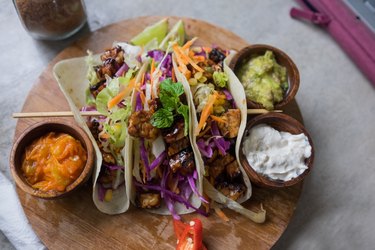
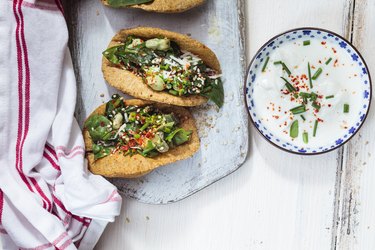
7 Plant-Based, Mexican-Inspired Recipes Under 500 Calories
Weight Management
By
Jaime Osnato
7 Healthy Snacks That Crush Those Midafternoon Cravings
Weight Management
By
Kelly Plowe
Trying to Lose Weight? Eat More of These 3 Things
Weight Management
By
Jaime Osnato
Fact Checked
6 Low-Calorie, High-Fiber Lunches to Quash Your Afternoon Cravings
Weight Management
By
Emma Steven
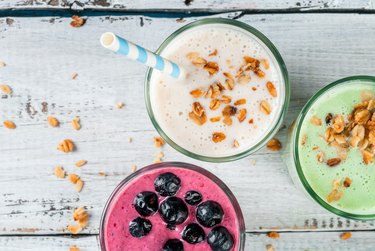
Smoothies Can Help You Lose Weight — Unless You're Making These 5 Mistakes
Weight Management
1
2
3
4
Next
Report an Issue
Contact*:
Severity*:
High
Normal
Low
Description*:
Screenshot loading...
Cancel
Submit