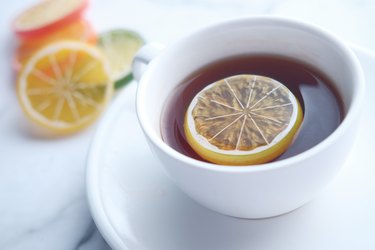
Tea is one the most widely consumed beverages in the world, according to the Food and Agriculture Organization of the United Nations. Tea allergy isn't common, but it may cause an allergic reaction in some people that includes hives and itchiness.
If you're allergic to tea, the best way to prevent the annoyance and getting sick is to avoid the food that causes the allergy. Consult your doctor if you suspect you're allergic to tea.
Video of the Day
Video of the Day
Tip
Although not very common, tea allergy does exist. Or, it might be caused by components in the tea, such as a caffeine allergy.
Recognize Tea Allergy
Tea generally refers to beverages made from the leaves of the Camellia sinensis plant, which includes black tea, green tea, white tea and oolong tea. If you have an allergy to tea, it can be from any component in the tea.
For example, a case report published in January 2015 by Asia Pacific Allergy discusses a rare case of caffeine allergy — a substance commonly found in tea products.
Understand Allergy Symptoms
How you feel after you drink a cup of tea may vary. Common allergic reactions not only include hives and itchy skin but also eye irritation and tearing, runny nose, sneezing, difficulty breathing, upset stomach, diarrhea, tingling in the mouth, swelling of the throat or asthma.
Even if your symptoms are mild, you should avoid drinking tea if you have an allergy. Allergic reactions can get progressively worse, which can be dangerous, according to the American College of Allergy, Asthma and Immunology.
Avoid These with Tea Intolerance
If drinking tea is making you itch, it shouldn't be too difficult to avoid. In addition to steering clear of the different varieties of tea, you'll also want to avoid iced tea, both fresh and bottled.
Although chai tea is made with a variety of spices, one of the main ingredients is black tea, so you'll need to avoid this tea as well. You may also need to review the ingredients on tea blends, which may contain herbs but also leaves from the Camellia sinensis plant.
Beware Herbal Tea Allergy
Herbal teas may also be a source of irritation. For example, dandelion, which may be found in herbal blends used for weight loss, is a member of the ragweed family.
If you're allergic to the flowers in this family, which includes daisies and marigolds, you may also be allergic to the tea that contains this herb, according to Cleveland Clinic.
You may have a harder time determining the specific cause of your hives in an herbal tea if you're drinking a blend. Consult your doctor if you have a reaction to a tea you're drinking to help you identify the cause.
Read more: The Disadvantages of Tea
Check for Added Ingredients
There's also a possibility that some of the ingredients added to tea may be causing hives or itchy skin. Milk, for example, is one of the most common food allergens and is often added to tea.
Or you may be using a plant-based milk, such as soy and almond milk, which are also common allergens, according to the American College of Allergy, Asthma and Immunology. Also, lemon or your sweetener might cause side effects.