How to Make Ginger Preserve
The knotted ginger root has been used medicinally for over 2,000 years, and for culinary purposes for more than 4,000 years. Ginger is a native plant to China and India that migrated through the spice trade routes to the rest of Europe. Ginger became so popular in Europe and England that it was on everyone’s table, along with salt and pepper. It was also used in pubs to sprinkle on beer. Ginger is used in many forms, including tea, powder and preserves.
Peel the ginger root and cut it into small, bite-sized pieces. Place the ginger pieces in a large bowl and cover them with cold water. Let the ginger sit for one hour.
What Foods Have the Herb Ginger in Them?
Learn More
Drain the ginger in a colander and place it in the pot. Cover the ginger with fresh cold water 1. Bring the water to a boil and let the ginger cook for five minutes.
Drain the ginger again 1. Discard the water. Cover the ginger in the pot with fresh cold water and boil for another five minutes, or until the ginger is tender.
How to Use Ginger Topically For Fat Burning
Learn More
Remove the ginger from the pot and set aside in a bowl, leaving the liquid in the pot. Add all the sugar to the liquid and bring to a boil. Turn the heat down slightly and bring the syrup to a simmer for five minutes or until thickened.
Add the ginger pieces and the cream of tartar to the ginger and boil for two more minutes.
Tips
Ladle or pour the hot preserves into the jars and seal. If you plan on using the preserves immediately, you can put them in an airtight container and keep them in the refrigerator. You will know you have a good seal on your jar lid when you hear it pop.
Warnings
If your jar lids won't seal, store your preserves in the refrigerator.
Related Articles
What Foods Have the Herb Ginger in Them?
Learn More
How to Use Ginger Topically For Fat Burning
Learn More
Ginger for Chest Congestion
Learn More
How to Take Ginger Pills for Motion Sickness
Learn More
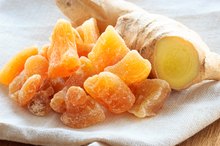
Crystallized Ginger Nutrition
Learn More
How do I Heat Vicks VapoRub in Water to Relieve Sinus Pressure?
Learn More
How to Roast Garlic in a Garlic Roaster
Learn More
How to Blanch Kale
Learn More
How to Use Mullein Herb
Learn More
Foods That Act As an Expectorant
Learn More
References
- The Epicenter.com: Ginger
- University of Maryland Medical Center: Ginger
- International Recipes: Ginger Preserves
- National Center for Complimentary and Integrative Health. Ginger. Updated September 2016.
- Memorial Sloan Kettering Cancer Center. Ginger. Updated October 30, 2018.
- University of Texas, El Paso/Austin Cooperative Pharmacy Program & Paso del Norte Health Foundation. Herbal Safety: Ginger.
Warnings
- If your jar lids won't seal, store your preserves in the refrigerator.
Writer Bio
Carrie Cross has been writing for profit and pleasure for more than 35 years. Her background includes business, real estate, entrepreneurship, management, health and nutrition. A registered nurse, she has published various pieces, including web content, numerous newspaper and magazine articles and columns and six books.