Feeling dizzy after swimming can hamper your plans and lead you to avoid swimming altogether. Most of the time, dizziness after swimming is mild and short-lived and not a cause for medical concern. Prevent or treat dizziness after swimming by making dietary changes and altering your swimming style. Meanwhile, seek care for any underlying medical conditions that can cause dizziness.
Dizzy After Swimming
Video of the Day
You might feel dizzy after swimming each time you swim, or just when you use certain swimming strokes or perform certain maneuvers in the pool. Your dizziness might last for just a moment or two, or it could last for several hours or even days after you finish your swim, depending on the cause. In addition to the dizziness, you might experience additional symptoms such as headache, decreased endurance or performance while swimming, or a feeling that you are spinning.
Video of the Day
Read more: Dizziness After Exercising
Water in Ear and Dizzy
If you get fluid in your ears, dizziness can be a common occurrence while swimming. This can cause you to feel dizzy until the water has a chance to drain out, which could take hours or even days. Low blood sugar can result in dizziness, especially if you were swimming for a long time or did not eat before you swam.
Similarly, as peculiar as it sounds, you can feel dizzy because of dehydration while swimming. If you have allergies or asthma, pollen in the air around the pool or pool chemicals such as chlorine could cause you to feel dizzy after a swim. Feeling anxious, stressed or tense before or during your swim can reduce the circulation of blood to your brain, resulting in dizziness.
Understand Benign Paroxysmal Positional Vertigo
Sudden movements of your head while swimming can lead to a condition called benign paroxysmal positional vertigo, or BPPV. A study published in 2014 by the Asian Journal of Sports Medicine discusses a female patient who developed BPPV after a long-term swimming activity. Her symptoms were successfully treated with a manual technique called the Epley maneuver.
The patient in this study swam three to five times per week, using the front crawl and breathing to her left side. To help prevent recurrence of feeling lightheaded after swimming, doctors recommended adding the backstroke to keep the head in a relatively fixed position, and alternate breathing sides when performing the front crawl.
Read more: I'm Feeling Dizzy After My Workouts
Treatment for Your Dizziness
Most cases of dizziness after swimming are mild and temporary and require no medical treatment. Your doctor may recommend allergy medication to treat your allergies, or medication or dietary changes to treat low blood sugar and dehydration. If your dizziness is related to vertigo, your doctor might check to ensure that you do not have any underlying cardiac or neurological disorders, and you might need to take medication to treat the vertigo if it is severe. If it's more mild, natural remedies for vertigo might help.
Read more: Foods to Avoid for Vertigo
Prevent Motion Sickness While Swimming
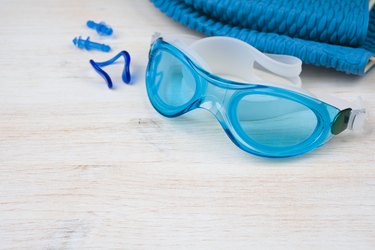
Wear earplugs while you swim to prevent dizziness that results from water getting into your ears. Eat a small snack before you swim to prevent low blood sugar, especially if you plan to swim for a long period of time. In addition, stay well hydrated by drinking water or a sports drink before you swim.