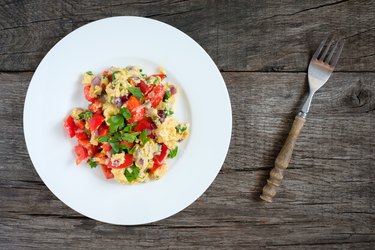
A soft food diet might be recommended after oral surgery or if you have a gastrointestinal condition that prevents you from eating as you normally do. If you have some time to plan, it's helpful to make a list of soft food diet ideas so you can have the right meals and snacks available.
Tip
A soft diet meal plan includes things that require minimal chewing and are easy to digest. There are plenty of easy-to-prepare options, like smoothies, soups and scrambled eggs, to keep you nourished and satisfied.
Video of the Day
Who Needs Soft Foods?
Because soft foods are easier to chew or require minimal chewing, a soft diet meal plan is frequently recommended when you're healing from any mouth or jaw surgery. It can also make it easier to eat if you have missing teeth, when you have dentures or for the first few days after getting braces installed or adjusted.
Video of the Day
Your health care provider might also advise a soft foods diet if you have swallowing problems or dysphagia due to a stroke or radiation therapy to your head or neck. It's important to work closely with a clinician if you have swallowing problems because of the risk of choking.
If you've had bariatric surgery, you may need to go on a soft food diet before resuming your regular diet. In addition, according to the Cleveland Clinic, a soft diet meal plan might also be recommended if you have gastrointestinal surgery or you're recovering from a digestive disorder like gastroenteritis, diverticulitis, or a flare-up from inflammatory bowel disease.
In these cases, it might be helpful to eat a soft diet that's also low in fiber because it minimizes the residue in your digestive tract, which can otherwise contribute to gas and diarrhea.
Read more: Foods to Avoid if You Have Gastroenteritis
Soft Food Diet After Surgery
If you've recently had surgery, you may not feel much like eating, and many foods may be harder to chew or digest, depending on what type of surgery you've had. It's especially important, however, to eat a soft food diet after surgery if your clinician gives you the OK.
If you've had gastrointestinal surgery or bariatric surgery, you may need to start with a liquid diet and advance to a soft diet slowly. Advancing to a soft food diet after surgery will allow you to eat a much greater variety of foods, which may help reduce the risk of becoming malnourished while your body recovers.
Read more: The Best Foods After Surgery
Most foods can be prepared so they're soft enough to be included on a soft food diet. Eating a range of healthy foods will help you get adequate calories along with the vitamins and minerals and essential protein your body needs. Protein is especially important after surgery as it supports tissue repair and healing.
A study published in the January 2017 issue of the journal Surgery for Obesity and Related Diseases found that patients with higher protein intakes after bariatric surgery had better outcomes and lost less lean body mass over the course of the year following their procedure. The reseachers who conducted the study recommended a goal of 60 or more grams of protein per day.
Soft Fruits, Vegetables and Grains
When you're thinking of soft food diet ideas, start with fruits and vegetables. They're some of the easiest foods to include in a soft diet meal plan, and they provide lots of nutrients. Fruits and vegetables that are naturally soft include bananas, applesauce, diced canned peaches or pears, mashed white or sweet potatoes, butternut squash and avocado.
You can also soften most other fruits and vegetables if you peel them, cut them into very small pieces, and then cook them in a bit of water, juice or broth until they're very soft and tender. You may be able to eat them in that form, but if you need them to be even softer, or require less chewing, you can also puree them.
Smoothies made with fruit and greens, and cream soups made with soft-cooked vegetables are both great choices for anyone looking for soft food diet ideas. Because you can add things like Greek yogurt and protein powder to smoothies, and soft cooked meats and grains to soups, you can pack all of the good groups into a super-soft meal.
Most grains are also good choices for a soft food diet. For breakfast try oats, cream of wheat, or even a porridge made from quinoa and soft-cooked fruit. Other soft grains include rice, barley, farro, and teff. If you don't have swallowing problems, soft breads (not toasted) should also be OK, as long as you cut off the crust.
Soft Diet Proteins Sources
It's a good idea to include some protein with each of your meals. This not only makes it easier to meet your protein requirements but also helps promote muscle synthesis and tissue repair after surgery.
Research published in the Journal of Nutrition in June 2014 supports the recommendation to consume about 30 grams of protein at each meal. Protein foods include all meats, poultry, fish or seafood, eggs, dairy and plant proteins like tofu, tempeh and legumes.
On a soft diet, you'll have to prepare these foods so they're cooked until very tender, and then cut meats into very small pieces, or chop, puree or blend them.
Some good choices for soft high-protein foods include:
- Scrambled or poached eggs
- Greek yogurt
- Cottage cheese or ricotta cheese
- Chicken or tuna salad
- Ground or pulled beef, chicken, turkey, or pork
- Soft white fish
- Soft or silken tofu
- Crumbled tempeh
- Mashed beans
- Nut butters
Read more: 5 Tips for Eating Protein the Right Way
Some Extra Tips
If you'll need to be on a soft food diet because you're recovering from surgery, chances are you won't feel much like spending time at the grocery store and in the kitchen. If possible, try to plan ahead for your soft food diet by stocking up on foods you like and preparing them ahead of time.
This might include peeling and cooking batches of fruits, vegetables and grains and freezing them in containers or freezer bags so they're ready to go. You can also make a few batches of soup, or prep the ingredients for a few smoothies in individual freezer bags.
A few good, sharp knives and either a food processor or blender can also make it much easier to prepare a soft foods diet. If you don't have them at hand, see if you can borrow from a friend or family member or pick them up at a store ahead of time.
Finally, if friends or neighbors offer to help you out with meals, make sure they know the best foods or types of meals to make. Soups, stews with soft-cooked vegetables and meats, or ground meats with gravy are all good choices that can also freeze well if needed.
- Journal of Nutrition: "Dietary Protein Distribution Positively Influences 24-h Muscle Protein Synthesis in Healthy Adults”
- Cleveland Clinic: “Gastrointestinal Soft Diet Overview”
- Memorial Sloan Kettering Cancer Center: “Eating Guide for Puréed and Mechanical Soft Diets”
- Surgery for Obesity and Related Diseases "Inadequate Protein Intake After Laparoscopic Sleeve Gastrectomy Surgery Is Associated With a Greater Fat Free Mass Loss"
Was this article helpful?
150 Characters Max
0/150
Thank you for sharing!
Thank you for your feedback!