
How Far Does a Softball Player Have to Hit a Ball to Get a Homerun?
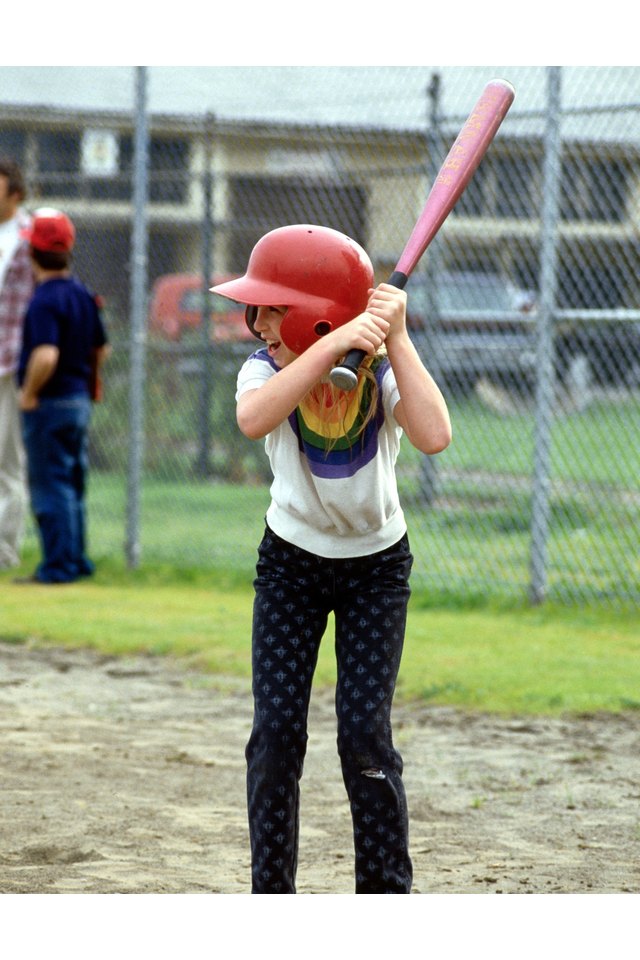
Home runs in softball carry the same joy and scoring power they do in baseball, but they don't have to carry the same distance. Softball at any level sets its fences -- if they have them -- much closer to the plate than baseball. The distance a player has to hit the ball to get it over a fence depends on her age and league.
Little League and Younger
Jupiterimages/Photos.com/Getty Images
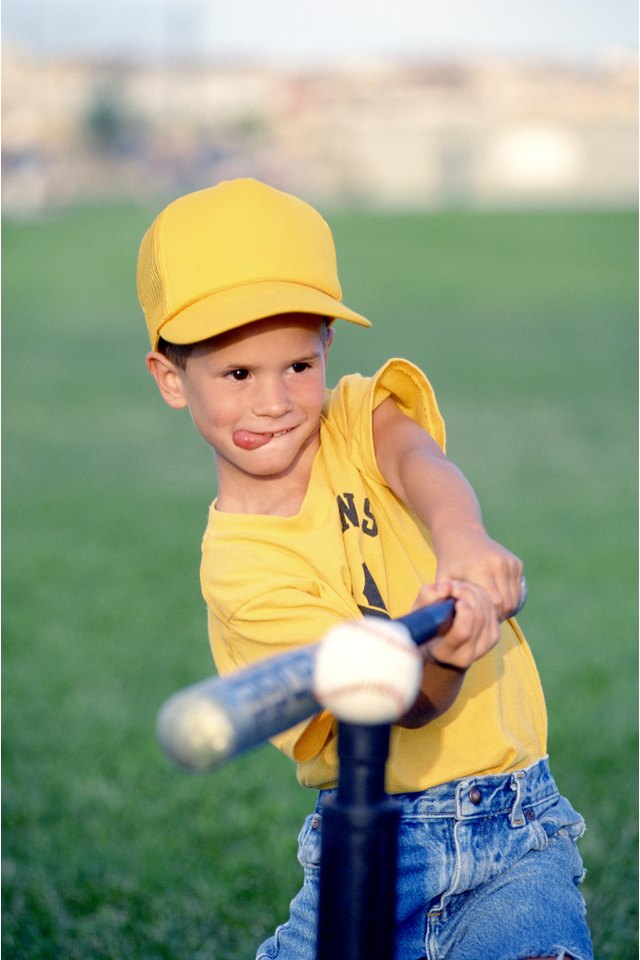
The distance from home plate to the fence for the very youngest softball players is about 150 feet. This can change based on league preference and the size of available fields. Organized divisions of girls little league softball set the maximum distance of the fences at 200 feet. This isn't a problem for little league hitters, who were hitting 50 or more home runs in a season according to Little League Baseball and Softball.
Prep Pops
High school girls usually have to strike a ball 200 feet to get it out of the farthest part of the park. The corners will be shorter, but the length does depend on how each field is designed. As of 2014, the record holder for most home runs in high school girls softball was Shelby Holley of Alabama with 72. The record for most home runs in a single game was five by Janet Weisenforth of New York.
College Wallops
Most college games are played on fields with fences 190 feet from home at the corners and 225 in center field. College games were once so dominated by pitchers that home runs were rare events. There were signs that was changing in the 2010s. In 2013, sophomore Lauren Chamberlain of the champion Oklahoma Sooners hit 30. She also hit 30 as a freshman. It put her in a good position to challenge for the all-time career record of 90 held at the time by Stacey Nuveman, who finished her career at UCLA in 2002.
Manpower
Grown-ups play softball too. For men’s slow pitch, the home run distance is usually between 300 and 315 feet. The distance for women’s and coed slow pitch, and for women’s and men’s fast pitch, is 250 feet or more. One of the farthest home run hitters in softball history is National Softball Hall of Fame member Bruce Meade of Bradenton, Florida. In 1978, Meade hit a ball 510 feet in Amarillo, Texas.
References
Resources
Writer Bio
A lifetime weightlifting and abs workout enthusiast living in eastern Washington, Marsha Wyatt is a technical editor and writer specializing in health and fitness topics including weight training and fitness and diet programs for longevity.