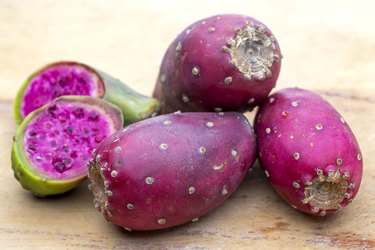
Have you ever tried prickly pear? Despite its unusual appearance, this fruit is delicious and loaded with nutrients. Also known as cactus fruit, tuna fruit or cactus pear, it boasts a naturally sweet flavor and can be used in various desserts. Plus, it's very low in calories and sugars, which makes it ideal for ketogenic and low-carb diets.
Tip
Rich in antioxidants and phytochemicals, the cactus fruit fights inflammation and keeps your immune system strong. It also has beneficial effects on blood sugar levels, blood lipids and bone health.
Video of the Day
What Is Prickly Pear?
The cactus fruit is widely used in Mexican cuisine. It has lots of different names, including prickly pear, nopal, cactus ficus-indica, barbary fig and opuntia. This juicy fruit comes from the Nopal cactus, which grows in hot, arid areas. More than 200 varieties exist, such as cactus fruits with yellow, pink or white flesh.
Video of the Day
Read more: 5 Tricky Fruits and How to Eat Them
The fruit isn't the only edible part of the prickly pear cactus. Its soft pads, which are called nopales, can be enjoyed raw or used in both sweet and savory dishes. They make a healthy addition to scrambled eggs, salads, tacos, soups, stews, chili, salsa and even lasagna.
Prickly pear benefits are recognized by the medical community. According to a 2014 review featured in the journal Molecules, this fruit is rich in phytochemicals with hypoglycemic, neuroprotective and antioxidant effects. It also protects against bacteria and germs, fights inflammation and supports liver health. As WebMD notes, a single serving of cactus fruit may lower blood sugar levels by up to 48 percent.
Cactus Fruit Nutrition Facts
Whether you want to get leaner, boost your immune system or feel energized, look no further. This superfood provides the nutrients you need to function at your peak. A single fruit offers 24 percent of the daily recommended vitamin C intake along with high doses with calcium, magnesium, potassium and copper. On top of that, it has only 42 calories.
Compared to most fruits, prickly pear is quite low in carbs. It has only 9.9 grams of carbohydrates, including 3.7 grams of fiber. You'll also get small amounts of vitamin A, vitamin B6, niacin, thiamin, iron and selenium.
If you're on a low-fat diet, this fruit is a great choice. With less than one gram of fat per serving, it's a perfect addition to your slimming plan. Its rich, sweet flavor will satisfy your cravings. Use it in fruit juices, homemade pie, sugar-free jam, citrus salad, lemon bars, pancakes, smoothies and other desserts.
More Reasons to Eat Cactus Fruit
In addition to vitamins and minerals, prickly pears contain phenolic compounds, plant sterols and amino acids that promote overall health and fight disease. Betalain, the pigment that gives this fruit its vibrant color, neutralizes free radicals and may prevent inflammation, according to a 2016 research paper published in Comprehensive Reviews in Food Science and Food Safety. This natural compound protects the liver and supports bone health.
Warning
If you have diabetes, consult your doctor before adding cactus fruit to your diet. This juicy fruit exhibits hypoglycemic properties, so may lower your blood sugar levels.
One of the studies cited in this review suggests that betalain may relieve osteoarthritis pain by a staggering 33 percent. Furthermore, it improves blood lipids, regulates blood glucose levels and reduces inflammation. Even when used in low concentrations, it seems to be more effective at preventing metabolic dysfunctions than resveratrol, a potent antioxidant. In some clinical trials, it reduced blood sugar levels by up to 50 percent.
This plant compound also exhibits diuretic effects. If you're struggling with water retention, add prickly pears to your daily menu. The cactus fruit is safe for most healthy individuals, but people who have diabetes should consume it with caution because of its hypoglycemic action.
Prickly Pears and Weight Loss
The cactus pear can satisfy your sweet tooth and bring you closer to your weight loss goals. A 2015 meta-analysis published in the journal Nutrition indicates that prickly pear consumption may cause significant reductions in body fat, cholesterol levels and blood pressure. These findings show that prickly pears not only promote fat loss but also keep your heart healthy.
In fact, a 2015 study published in BioMed Research International confirms its beneficial effects on cholesterol levels. Elevated cholesterol and heart disease are strongly connected. Therefore, prickly pear benefits your heart — and your waistline.
The journal Current Therapeutic Research has published the results of a clinical trial assessing the effects of prickly pears on body weight. According to researchers, the fiber in this fruit binds to dietary fat and reduces its absorption, leading to weight loss. Fiber also suppresses appetite and increases satiety, making it easier to cut calories and stick to your diet.
Read more: 19 High-Fiber Foods — Some May Surprise You!
Cactus Fruit Protects Against Inflammation
This fruit is highly prized for its anti-inflammatory properties. Chronic inflammation is a major contributing factor to arthritis, Crohn's disease, coronary heart disease, diabetes and allergies. It also contributes to chronic pain, depression, fatigue and recurrent infections. Treatment is available, but most drugs carry potential side effects and may affect your health in the long run.
Before popping pills, consider changing your diet. Replacing your daily snacks with prickly pears is a good start. According to a 2018 study published in Food & Nutrition Research, cactus pear may help prevent and reduce inflammation. Subjects who consumed cactus pear fruit pulp twice daily experienced a major reduction in C-reactive protein, tumor necrosis factor-α and other inflammatory markers. At the same time, their antioxidant levels increased.
Researchers attribute these results to the vitamins and antioxidants that occur naturally in prickly pears. Betanin, kaempferol, glutathione and beta-carotene are just a few examples. These nutrients improve immune function, boost your antioxidant intake and offset the harmful effects of inflammation.
Get Rid of a Hangover
Wondering how to recover from a hangover? Reach out for prickly pear juice. It's a safe, natural remedy for headaches, dizziness, dry mouth and other hangover symptoms, according to Medscape. In fact, this is one of the few hangover cures backed up by science.
Read more: 17 of the Best Hangover Cures and Remedies
While cactus fruit juice doesn't actually prevent hangover symptoms, it may reduce their severity and put you back on your feet. As Medscape points out, this natural remedy lowers inflammatory markers in the bloodstream, which in turn, may help offset the side effects of alcohol consumption. More studies are needed to confirm its effectiveness as a hangover cure.
If you're planning a night out, drink a glass or two of cactus fruit juice before consuming alcohol. You'll cut the risk of a severe hangover in half. Beware, though, that alcoholic beverages are anything but healthy. Stick to small amounts of red wine and drink plenty of water to avoid dehydration.
- World of Succulents: Edible Cacti and Succulent Plants
- MDPI: Molecules: Nopal Cactus (Opuntia ficus-indica) as a Source of Bioactive Compounds for Nutrition, Health and Disease
- WebMD: Prickly Pear Cactus
- SELFNutritionData: Raw Pricky Pears
- Wiley Online Library: Comprehensive Reviews in Food Science and Food Safety: Plant Betalains: Safety, Antioxidant Activity, Clinical Efficacy, and Bioavailability
- ScienceDirect: Nutrition: The Effect of Cactus Pear (Opuntia ficus-indica) on Body Weight and Cardiovascular Risk Factors: A Systematic Review and Meta-Analysis of Randomized Clinical Trials
- Hindawi: BioMed Research International: Hypocholesterolemic Effect and in Vitro Pancreatic Lipase Inhibitory Activity of an Opuntia ficus-indica Extract
- ScienceDirect: Current Therapeutic Research: Effects of Cactus Fiber on the Excretion of Dietary Fat in Healthy Subjects
- Today's Dietician: Fiber's Link With Satiety and Weight Control
- NCBI: StatPearls: Chronic Inflammation
- WebMD: What Are NSAIDs for Arthritis?
- NCBI: Food & Nutrition Research: Short-Term Cactus Pear [Opuntia ficus-indica (L.) Mill] Fruit Supplementation Ameliorates the Inflammatory Profile and Is Associated With Improved Antioxidant Status Among Healthy Humans
- Medscape: Is Prickly Pear Cactus Effective for Hangover?