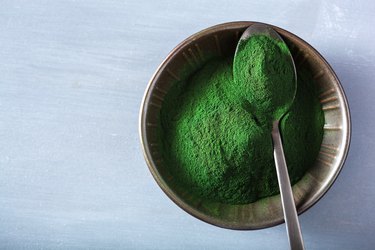
In the quest for supplements to boost your health, you may encounter chlorella and spirulina, two types of blue-green algae. You may also encounter a number of claims about these supplements' health benefits, from spirulina for heavy metal detox to chlorella for chronic conditions like hypertension.
Whether spirulina benefits skin, improves chronic conditions or otherwise aids health is up for debate. At best, chlorella and spirulina may offer certain health benefits, though those benefits are generally not scientifically proven, according to Harvard Health Publishing.
Video of the Day
Video of the Day
At worst, there can be adverse results of taking chlorella and spirulina. Side effects may be more pronounced if these supplements are taken in excess, according to a February 2017 study in the Journal of Applied Phycology. To avoid possible adverse outcomes, check with your health provider before adding chlorella and spirulina to your dietary routine.
About Chlorella and Spirulina
Chlorella, aka Chlorella vulgaris, is a microalgae containing protein, omega-3 polyunsaturated fatty acids, polysaccharides, vitamins and minerals. In clinical trials, chlorella supplementation has been shown to potentially protect against oxidative stress, cancer and chronic obstructive pulmonary disease, among other conditions, according to research published in Current Pharmaceutical Design in 2016, issue 2.
Spirulina, another microalgae, contains protein, gamma-linolenic acid, linoleic acid, iron, vitamin B12 and other nutrients, says the University of Rochester Medical Center (URMC). Spirulina and other microalgae may be used as a source of protein and certain vitamins.
However, Winchester Hospital notes that spirulina, while nutritious, can be expensive. There are more inexpensive sources of protein you can eat, such as legumes, nuts, grains and animal meat. For iron, options include dark greens, prunes and meat. For carotenes and vitamins, you can eat a variety of fruits and vegetables.
Should you choose to supplement with chlorella or spirulina, it's important to obtain such supplements from a tested source due to the potential for contamination, says URMC. Spirulina may be tainted with microbes, radioactive metal ions and heavy metals — including mercury, cadmium, lead and arsenic.
Harvard Health Publishing adds that spirulina, like other dietary supplements, is not regulated by the FDA. Therefore, there's no guarantee that any supplement you buy will be free of contaminants or contain the amount of spirulina indicated on the label.
Claims that spirulina can prevent, treat or cure certain conditions, including high cholesterol, hypertension, diabetes, depression, viral hepatitis and malnutrition, are largely unsubstantiated by scientific evidence, adds Harvard Health Publishing. The same is true of claims that spirulina can boost the immune system and improve kidney and liver function.
When taken at the recommended dosage, spirulina side effects are few, says Harvard Health Publishing. However, spirulina may contain the amino acid phenylalanine and is therefore contraindicated for people who have phenylketonuria, a metabolic disorder whereby the body cannot metabolize phenylalanine.
Given the possible chlorella and spirulina side effects, it's best to check with your doctor or health provider before using these supplements, especially if you take other medications. URMC notes that spirulina may impact the effectiveness of blood thinners.
Chlorella and Spirulina Side Effects
The Journal of Applied Phycology study analyzed the use of microalgal food supplements, including spirulina, chlorella and aphanizomenon. The participants included a group of Polish consumers who used microalgal supplements mainly for their purported nutritional, immune-boosting and detoxifying purposes.
According to the study, the consumers primarily used the internet for information on these supplements, rarely turning to health specialists for guidance. In the study, respondents self-reported health benefits such as increased immunity, higher vitality, improved hair and skin quality and greater overall well-being.
Study participants largely reported that spirulina benefits skin and that chlorella and spirulina intake had improved their hair and skin quality. Although these benefits are not directly evidenced, say the authors, the claim is nonetheless plausible, given the nutritional content of these supplements.
As for chlorella, aphanizomenon and spirulina side effects, the most common complaints among participants were diarrhea, nausea, abdominal pain and skin rash. Certain pre-existing medical conditions — namely renal failure and hypothyroidism, but not Hashimoto's thyroiditis — reportedly contributed to an increase in side effects.
Chlorella and spirulina side effects may be attributable to their high content of certain compounds, including protein, chlorophyll, phosphorous, iron and manganese, says the Journal of Applied Phycology. When consumed in excess, these compounds can present health concerns:
- High intake of protein, chlorophyll and iron may cause gastrointestinal issues, such as diarrhea, nausea or cramps.
- Excess phosphorus can adversely affect the kidneys.
- In high concentrations, manganese may contribute to neurotoxicity.
Notably, those consumers who consulted with specialists on the use of microalgal supplements reported adverse side effects significantly less often. The study concludes that microalgal consumers may benefit from consulting with a qualified health professional.
Your doctor or dietitian can advise on potential side effects and conduct the proper biochemical testing needed to determine whether spirulina or chlorella may be beneficial for your health.
Read more: What Are Side Effects of Eating Seaweed?
Don’t Trust Everything You Read
It's no surprise that the internet serves as a resource for many consumers in search of health information, say the study authors. Claims abound on social media, message boards and diet websites, promoting the alleged health benefits of microalgal supplements. For example, these products may be marketed as a supportive treatment for people with attention deficit hyperactivity disorder, despite any scientific evidence proving their effectiveness.
Half of the study respondents stated that their intention in using microalgal supplements was to eliminate bodily toxins, such as heavy metals. However, claims about chlorella or spirulina heavy metal detox effects are not supported by scientific studies, but rather promoted by unreliable internet sources, according to the Journal of Applied Phycology.
In addition, there is no data demonstrating the beneficial effects of microalgal supplements on human fertility, says the study. Furthermore, there is limited evidence that chlorella may reduce leg swelling during pregnancy. Additional studies are needed to assess the safety of microalgal products for pregnant people and their offspring.
Additional Safety Concerns
Regardless of whether chlorella or spirulina benefits skin, improves chronic conditions or aids overall health, it's important to understand the possible risks. Certain forms of blue-green algae may be contaminated with microcystins and anatoxins, both highly toxic substances, says Winchester Hospital. Over time and with regular use of blue-green algae supplements, the toxic effects may multiply.
Spirulina may also be contaminated by dangerous bacteria if grown with the use of fermented animal waste fertilizers — or by radioactive ions if they're present in the environment.
The side effects of consuming contaminated blue-green algae may include liver damage, stomach pain, nausea, vomiting, weakness, thirst, rapid heartbeat and even death, says the U.S. National Library of Medicine (NLM). The NLM advises avoiding any products that haven't been tested for the presence of toxins and other contaminants.
The NLM indicates, however, that blue-green algae products, when free of contaminants, may be safe for short-term use. Doses up to 19 grams per day may be used for up to two months, or a lower dose of 10 grams per day for up to six months.
If you're considering using spirulina or chlorella, work with your health provider and discuss any concerns. Your doctor can also determine whether these supplements are advisable for short-term or long-term use.
Read more: How Much Spirulina Should I Consume?
- Journal of Applied Phycology: "Microalgal Food Supplements From the Perspective of Polish Consumers: Patterns of Use, Adverse Events, and Beneficial Effects"
- Current Pharmaceutical Design: "Chlorella vulgaris: A Multifunctional Dietary Supplement With Diverse Medicinal Properties"
- University of Rochester Medical Center: "Spirulina"
- Harvard Health Publishing: "By the Way, Doctor: Is Spirulina Good for You?"
- Winchester Hospital: "Spirulina"
- U.S. National Library of Medicine: "Blue-Green Algae"