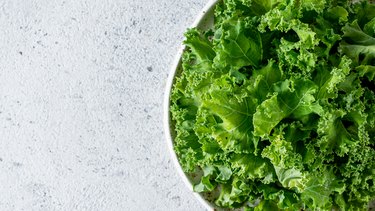
Several vitamins can be dangerous when you take too much of them, but for most people, vitamin K isn't one of them. The only people who could get too much vitamin K are those taking the blood-thinning medication warfarin.
Tip
Most people won't experience any effects from too much vitamin K. For people taking warfarin, suddenly increasing vitamin K can interfere with how well the medication works.
Video of the Day
Vitamin K Is OK
Vitamin K isn't just a single nutrient; it's the name given to a group of naturally occurring, fat-soluble vitamins, including vitamin K1 and two types of vitamin K2. Collectively, they are essential for producing proteins involved in blood clotting. In fact, the "K" comes from the Germanic work "koagulation," similar to the English word coagulation.
Video of the Day
Vitamin K is also crucial for maintaining calcium levels and is involved in calcium transport. As such, vitamin K functions as a key nutrient for strong and healthy bones. According to a review in the Journal of Nutrition and Metabolism in June 2017, vitamin K2 shows promise as an adjunct treatment for osteoporosis, a condition characterized by a loss of bone mass and bones that are brittle and break easily.
In addition, the nutrient may also aid cardiovascular health by reducing vascular calcification, a common but potentially serious condition that can increase the risk of stroke and blood clots. Vitamin K also may be useful in the treatment of diabetes, cancer and osteoarthritis.
Sources and Vitamin K Excess
The main sources of dietary vitamin K1 are green, leafy vegetables and plant oils. Vitamin K2 is in animal foods, including butter, egg yolks, some cheeses and fermented foods. Bacteria in the digestive tract can also synthesize vitamin K2 in the intestinal tract; however, the body is able to absorb very little of it, according to authors of the Journal of Nutrition and Metabolism review.
Vitamin K is also available in supplement form, either as a synthetic or as an extract of the fermented soy product called Nattō.
The recommended daily intake for vitamin K set by the Food and Nutrition Board of the National Academies of Medicine (FNB) is 120 micrograms for men and 90 micrograms for all women, including those who are pregnant and breastfeeding. These RDAs aren't hard to achieve through a balanced diet, and the National Institutes of Health reports that vitamin K deficiency is very rare.
The FNB sets upper, tolerable intake levels (ULs) for vitamins that pose health risks when taken in excess. However, there is not a UL for vitamin K, because there have been no reported adverse effects from vitamin K excess in any amount from food or supplements in the general population.
Warfarin and Vitamin K
There is one exception. If you are taking the blood-thinning medication warfarin, you do have to be careful with K, avoiding both low and high vitamin K levels. Warfarin, brand name Coumadin, is prescribed to help prevent blood clots or prohibit their growth. Because vitamin K helps your blood to clot, it works against warfarin.
Maintaining a balance between the two is crucial, so it's important not to suddenly increase or decrease your intake of vitamin K. According to Michigan Medicine, you can consume whatever amount of vitamin K you would like, but the amount needs to remain consistent from day to day. So, if you eat a lot of green vegetables normally, don't suddenly stop eating them; if you take a vitamin K supplement, don't stop taking it.
If you decide you want to increase or decrease your vitamin K intake, it's important to discuss with your doctor the best way to do that, as your dosage may need adjusting either up or down.
If you're taking warfarin, you likely get regular blood tests to determine its efficacy. Your lab results will provide your prothrombin time (PT) and international normalized ratio (INR) values. Your INR values should stay in a safe range; if they are too high or too low, it may be because of the interaction between warfarin and vitamin K.
Vitamin K functions to lower your INR values, which means that warfarin may not be effective for preventing a blood clot. Warfarin increases your INR values, which slows blood clotting. If warfarin is too effective, you will bleed more easily and quickly, which can be dangerous.
Read more: The 18 Most Nutritious Vegetables
Vitamin K in Foods
Because of the delicate interaction between warfarin and vitamin K, it's important to keep track of how much you're getting in your diet. Here are some common vitamin K-containing foods and their amounts of the nutrient per serving, according to the USDA.
- One cup kale, boiled and drained — 1,062 micrograms
- One cup cooked spinach, boiled and drained — 889 micrograms
- One cup fresh spinach — 144 micrograms
- One cup collards, cooked — 772 micrograms
- One cup broccoli, cooked — 220 micrograms
- One cup Brussels sprouts, cooked — 218 micrograms
- One cup cabbage, cooked — 163 micrograms
- One cup spinach egg noodles, cooked— 161 micrograms
- One cup chopped raw broccoli — 92 micrograms
- One cup asparagus, boiled and drained — 91 micrograms
- One cup okra, boiled and drained — 64 micrograms
- One cup butterhead lettuce (such as Boston or Bibb) — 56 micrograms
- One cup Romaine lettuce — 48 micrograms
- One cup green leaf lettuce — 46 micrograms
- One cup green peas, cooked— 41 micrograms
- One cup frozen sweetened blueberries — 41 micrograms
- One cup green peas, cooked — 41 micrograms
- One cup raw celery — 30 micrograms
- One cup raw blackberries — 29 micrograms
- One cup raw blueberries — 29 micrograms
- One-half cup marinara pasta sauce — 18 micrograms
Be sure to check labels on all packaged foods you eat. According to NIH, few foods are fortified with vitamin K, but some meal replacement shakes and bars may be. In addition, many supplements can contain vitamin K. If you take a daily multivitamin or another type of nutrient supplement, confirm the amount of vitamin K it contains so you can add it to your daily total.
- Journal of Nutrition and Metabolism: "Vitamins K1 and K2: The Emerging Group of Vitamins Required for Human Health"
- CardioSmart: "Heath Effects of Calcium Build-up in Arteries Is More Complex Than Previously Thought"
- National Academies of Medicine: "Summary Tables, Dietary Reference Intakes"
- University of Michigan: "Warfarin and Vitamin K"
- NIH: "Vitamin K"
- USDA: My Food Data Nutrition Facts Search Tool