
The Benefits of Dance for Kids
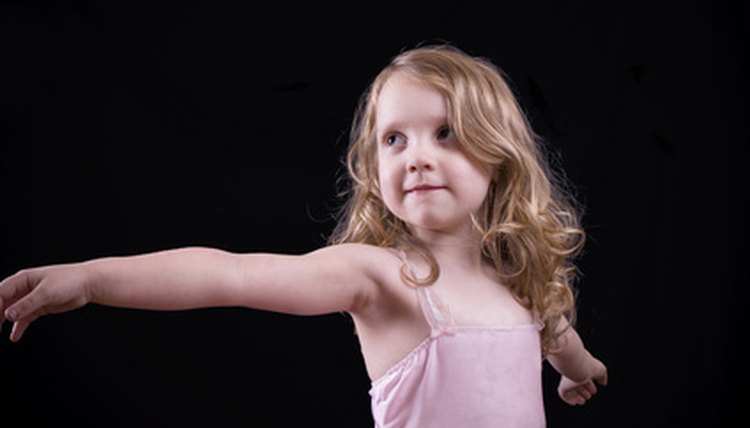
If you have kids, you may be wondering what is the best way to channel their seemingly boundless energy. While traditional team sports are a good way to get your kids physically active, they may not be right for younger children. Dance classes are a great alternative to team sports, and most studios offer lessons for children as young as two or three. Participating in dance classes can be beneficial for kids of all ages.
Improved Physical Health
Dancing is a highly physical activity, and kids who take dance lessons regularly should expect to see a significant improvement in their overall physical health. According to Pro Dance Center, regular dance practice can increase your child's flexibility, range of motion, physical strength and stamina. The repetitive movements involved in dance can improve muscle tone, correct poor posture, increase balance and coordination and improve overall cardiovascular health. Dancing is an aerobic form of exercise. For children who are overweight, it can potentially help them to lose weight and improve their eating habits.
Socialization Benefits
In addition to being a physical activity, dancing is also a highly social activity. According to "FamilyTalk Magazine," dance lessons can help children improve their social and communication skills, learn how to work as part of a team, develop a greater sense of trust and cooperation and make new friends. If your child is shy, enrolling her in dance can encourage her to reach out to other children her age and help to reduce her anxiety about new people or places. Dance can also help to alleviate fears related to performing in front of an audience.
Educational Benefits
Becoming a skilled dancer requires practice, discipline and focus, skills that can be useful in other areas of your child's life. According to "FamilyTalk Magazine," dance lessons can help to spark creativity in young children and help them to develop an appreciation for the arts. Students who regularly participate in dance lessons typically tend to perform better academically than their nonparticipating peers. "FamilyTalk Magazine" estimates that students who have a background in dance tend to achieve significantly higher SAT scores and do better in math and science competitions.
Improved Self-Esteem
As children adjust to the movements and postures required in dance, they begin to get a better sense of their bodies. As they become more comfortable in their own skin, their confidence and self-esteem also improve. According to EduDance, dance lessons can encourage children to foster a more positive attitude and explore their own self-expression. This can be particularly beneficial for children who are physically or mentally impaired or those who are attempting to deal with significant emotional problems.
References
- Mejia-Downs A, Fruth SJ, Clifford A, et al. A Preliminary Exploration of the Effects of a 6-week Interactive Video Dance Exercise Program in an Adult Population. Cardiopulm Phys Ther J. 2011;22(4):5‐11.
- Harvard Health Publishing. Calories burned in 30 minutes for people of three different weights. Updated August 13, 2018.
- Çakir-Atabek H, Aygün C, Dokumacı B. Active Video Games Versus Traditional Exercises: Energy Expenditure and Blood Lactate Responses. Res Q Exerc Sport. 2020;91(2):188-196. doi:10.1080/02701367.2019.1653431
Writer Bio
Rebecca Lake is a freelance writer and virtual assistant living in the southeast. She has been writing professionally since 2009 for various websites. Lake received her master's degree in criminal justice from Charleston Southern University.