
From Atkins to keto, there are plenty of popular low-carb diets to choose from if your goal is weight loss. But before you start slashing bread and bananas from your daily menu, beware: Not all low-carb eating plans are actually good for you.
An eye-opening study published January 2020 in JAMA Internal Medicine found that unhealthy low-carb diets are associated with higher total mortality while healthy low-carb diets are linked to a lower overall risk of death. Researchers defined "healthy" as "lower amounts of low-quality carbohydrates and higher amounts of plant protein and unsaturated fat."
Video of the Day
Video of the Day
In other words, the types of carbs you choose — along with the quality and sources of your protein and fat — make all the difference when it comes to living a longer, healthier life.
What Are High-Quality Carbs?
"Carbohydrates provide our bodies with the most optimal source of energy, aka glucose, which, to the body, is like gasoline to a car," says Lisa Moskovitz, RDN, founder and CEO of The NY Nutrition Group. "While all carbohydrates break down into glucose, they are not all created equally."
Carbs on the healthy side of the spectrum are "nutrient-dense, provide a longer and more sustainable source of fuel and contain minimal amounts of added sugars, salt, saturated fats or artificial ingredients," Moskovitz says.
Examples of High-Quality Carbs
Packed with vitamins and minerals, the following foods qualify as healthy carbs that should have a place in your diet:
- Fruits
- Non-starchy veggies like spinach, arugula, green beans, bok choy, cabbage, broccoli, Swiss chard, kale and carrots
- Legumes (beans, peas, lentils, peanuts)
- Whole grains like quinoa, rolled oats and kamut
On the flip side, carbohydrates from refined grains (foods like bagels, white pasta, white rice and baked goods) provide limited nutritional value but "excessive amounts of sugar, sodium, saturated fat and artificial ingredients that can increase your risk of heart disease, diabetes, obesity and inflammation," Moskovitz says. In the short term, these low-quality carbs may even lead to poor energy, decreased concentration and increased junk-food cravings.
Pick Healthy Fats and Proteins
That said, the quality of your proteins and fats matters just as much, especially since you'll be consuming more of them in a low-carb diet to reach your daily calorie needs. So, which are the healthiest options?
According to the JAMA study, a diet with greater amounts of plant-based proteins and unsaturated fats helps to reduce your mortality risk. To reap these longevity benefits, Moskovitz says, try eating more plant-derived proteins, including:
- Beans
- Peas
- Nuts
- Tofu
- Tempeh
When it comes to fats, choose healthy, unsaturated sources like seeds, avocado and olive oil.
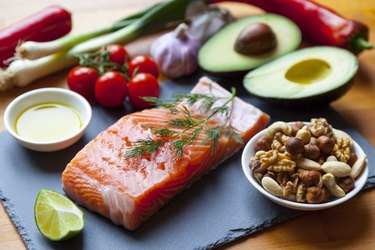
"These are not only highly nutritious foods, but they're also heart-protective, fight against certain diseases and have anti-inflammatory properties," Moskovitz says.
Read more: 5 Meatless Lunches That Are Packed with Protein
If you're a meat- and dairy-eater, fish, eggs, plain Greek yogurt and certain leaner cuts of poultry and meats are the way to go. Just consume animal products in moderation since their saturated fat content can increase bad cholesterol, inflammation and risk for heart disease, Moskovitz says.
Can You Get Enough Healthy Nutrients on a Low-Carb Diet?
Low-carb diets can meet all your nutrient needs as long as you consume a variety of whole foods, Moskovitz says.
"Include plenty of high-fiber non-starchy vegetables such as cruciferous veggies or dark leafy greens, healthy fats like nuts, seeds and avocado, as well as good-quality lean proteins including beans, fish, eggs and poultry."
In fact, proportionately choosing more foods derived from plants may actually provide your diet with more fiber and phytonutrients, according to Harvard Health Publishing. And, if need be, you can always consider taking a multivitamin to help bridge any unforeseen nutritional gaps, adds Moskovitz.
Tip
If you're thinking of starting a low-carb diet, talk to your doctor or a registered dietitian to make sure you're approaching it in a healthy way that meets your nutritional needs.
Was this article helpful?
150 Characters Max
0/150
Thank you for sharing!
Thank you for your feedback!