Normal Blood Sugar Range in Adults
According to the American Diabetes Association, 25.8 million Americans are diabetic. Another 7 million are diabetic but have not been diagnosed. And, 79 million are prediabetic, meaning they are at high risk for developing diabetes at some point in their lives. Knowing the normal glucose range and what your numbers are is the first step in protecting yourself from diabetes.
Testing Blood Glucose
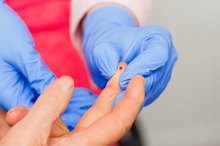
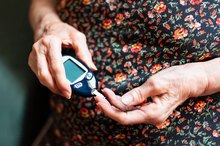
A simple finger stick test using a very small drop of blood is all that is needed to check your glucose level. This should be part of your yearly physical, even if you have never had diabetes. Early screening allows early treatment. The most accurate measurement is a fasting blood sugar, preferably early in the morning before you've had anything to eat or drink. Your health-care provider will let you know how you should prepare for the test.
- A simple finger stick test using a very small drop of blood is all that is needed to check your glucose level.
- Your health-care provider will let you know how you should prepare for the test.
What the Numbers Mean
What Is Considered a High Blood Sugar Level for a Diabetic?
Learn More
A fasting blood sugar of 99 mg/dL or less is considered within the normal range. A person is prediabetic if fasting blood sugar is between 100 to 125 mg/dL. Diabetes is diagnosed at 126 mg/dL or greater. It's important to note that one high blood sugar does not automatically make you diabetic. Instead, your health-care provider will likely order follow-up glucose testing over the next few weeks to determine your normal range.
- A fasting blood sugar of 99 mg/dL or less is considered within the normal range.
What if My Numbers are Elevated?
If your numbers fall into the range of diabetes or prediabetes after follow-up testing, your health-care provider will prescribe a plan of treatment. In the early stages of diabetes, if your glucose is only mildly elevated, you may be able to control it with diet and physical exercise on a regular basis. Being more aware of what you eat is an important step to controlling diabetes. You may find a food log helpful to pinpoint areas in which you can make better choices. Insulin and medication are normally used only after other measures have failed.
- If your numbers fall into the range of diabetes or prediabetes after follow-up testing, your health-care provider will prescribe a plan of treatment.
- In the early stages of diabetes, if your glucose is only mildly elevated, you may be able to control it with diet and physical exercise on a regular basis.
Exercise Tips
What Are the Blood Sugar Levels for Diabetes?
Learn More
Never begin an exercise program without your health-care provider's approval. The Mayo Clinic supports 150 minutes of moderate exercise each week, such as walking, swimming, or biking. Before exercising, check your blood sugar. If blood glucose is less than 100 mg/dL or greater than 300 mg/dL or higher, you should not exercise. For low blood sugar, have a small carbohydrate-rich snack, such as crackers or fruit. For high blood sugar, you are at risk of ketoacidosis and should wait until blood glucose drops. The ideal range for a workout is from 100 to 250 mg/dL. Always recheck your blood sugar following a workout.
- Never begin an exercise program without your health-care provider's approval.
- For high blood sugar, you are at risk of ketoacidosis and should wait until blood glucose drops.
Related Articles
What Is Considered a High Blood Sugar Level for a Diabetic?
Learn More

What Are the Blood Sugar Levels for Diabetes?
Learn More
Sudden Rise in Blood Sugars
Learn More

Diabetes & Hot Flashes After Eating Breakfast
Learn More
What is a High Blood Sugar Level Range?
Learn More

What Is Normal Blood Sugar in People Over 60?
Learn More

Should I Be Concerned if My WBC Is 3.6?
Learn More
What Is a High Blood Glucose Reading?
Learn More
What Does It Mean if Sugar Is High in Your Urine but Not in Your Blood?
Learn More
How to Lose Weight Using Glucophage
Learn More
References
- Mayo Clinic: Diabetes and Exercise: When to Monitor Your Blood Sugar
- American Diabetes Association. 5. Lifestyle management: Standards of medical care in diabetes-2019. Diabetes Care. 2019;42(Suppl 1):S46-60. doi:10.2337/dc19-S005
- National Institute of Diabetes and Digestive and Kidney Diseases. Diabetes diet, eating, & physical activity. Published December 2016.
- American Diabetes Association. The big picture: Checking your blood glucose.
- American Diabetes Association. 6. Glycemic Targets: Standards of Medical Care in Diabetes-2020. Diabetes Care. 2020;43(Suppl 1):S66-S76. doi:10.2337/dc20-S006
- American Diabetes Association. 14. Management of diabetes in pregnancy: Standards of medical care in diabetes-2020. Diabetes Care. 2020;43(Suppl 1):S183-S192. doi:10.2337/dc20-S014
- Porcellati F, Lucidi P, Bolli GB, Fanelli CG. Thirty years of research on the dawn phenomenon: Lessons to optimize blood glucose control in diabetes. Diabetes Care. 2013;36(12):3860-2. doi:10.2337/dc13-2088
- American Diabetes Association. 5. Lifestyle management: Standards of medical care in diabetes-2019. Diabetes Care. 2019;42(Suppl 1):S46-60. doi:10.2337/dc19-S005
- Colberg SR, Sigal RJ, Yardley JE, et al. Physical activity/exercise and diabetes: A position statement of the American diabetes association. Diabetes Care. 2016;39(11):2065-2079. doi:10.2337/dc16-1728
- American Diabetes Association (ADA). Understanding A1C.
- Garber AJ, Abrahamson MJ, Barzilay JI, et al. Consensus statement by the American association of clinical endocrinologists and American college of endocrinology on the comprehensive type 2 diabetes management algorithm - 2019 executive summary. Endocr Pract. 2019;25(1):69-100. doi:10.4158/CS-2018-0535
Writer Bio
Roma Lightsey has written for "Grit," "Arthritis Today," and "The Clinical Advisor," a journal for nurse practitioners. Lightsey holds a Bachelor of Arts in communications, a Bachelor of Science in nursing, and a Masters of Science in nursing. She currently teaches nursing and works for a medical device company when not busy writing.