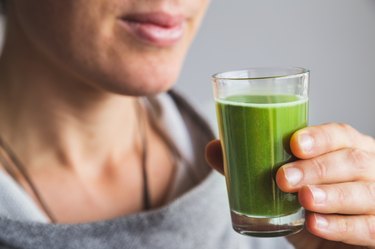
Wheatgrass is a type of grass that grows from the Triticum aestivum (common wheat) plant. Used as a health food, there are many wheatgrass benefits to take advantage of. Most people drink it as a juice or buy powdered wheatgrass to take as a supplement.
Wheatgrass juice and powdered wheatgrass both contain nutritional benefits for your health, and there's some debate as to which is better for you. The truth is, there are pros and cons to both.
Video of the Day
Video of the Day
4 Benefits of Wheatgrass
1. It's High in Many Important Nutrients
Wheatgrass has a variety of benefits thanks to its nutrient content. It contains B vitamins as well as vitamins A, C, E and K.
In fact, it's been reported that wheatgrass has twice as much vitamin A compared to carrots and more vitamin C than oranges, according to an April 2016 study in the IOSR Journal of Pharmacy and Biological Sciences.
Wheatgrass is also high in fiber as well as containing vitamin K and iron, per the USDA. The fiber content makes wheatgrass hard to digest, which is why it's usually sold in juice or powder form rather than eaten.
2. It Contains Chlorophyll
Wheatgrass is also rich in chlorophyll, a photosynthetic pigment that gives plants its green hue. Chlorophyll increases oxygen in the body, according to the Cleveland Clinic.
Chemically, hemoglobin (a protein in red blood cells) is very similar to chlorophyll, according to a December 2014 study in the International Journal of Chemical Studies.
According to the researchers, the combination of chlorophyll, vitamin B12, iron and folic acid in wheatgrass could potentially help in the treatment of blood conditions like anemia. That said, more research is needed to determine the actual benefits of wheatgrass for blood conditions.
3. It's a Powerful Antioxidant
Antioxidants help fight cell damage in the body by reducing harmful free radicals and oxidative stress. A diet high in antioxidants has been linked to disease prevention and lower incidences of conditions like heart disease and cancer, per November 2018 research in the American Journal of Clinical Nutrition.
Wheatgrass is high in antioxidants (such as glutathione, vitamin C and vitamin E) and may play a role in reducing oxidative stress in the body, according to a July 2018 study in the Journal of Food Science.
It's important to note, though, that most studies on the specific antioxidant properties of wheatgrass have been done in test tubes or on animals. More research done on people is needed in this area.
4. It May Help Treat Some Health Conditions
Wheatgrass is thought to support the treatment of several chronic diseases and health problems, per an October 2015 review in Mini Reviews in Medicinal Chemistry.
Wheatgrass juice, powder and supplements are often used as supplementary treatments for conditions such as:
- Asthma
- Atherosclerosis
- Arthritis
- Cancer
- Hematological problems
- Parkinson's disease
- Inflammatory issues
- Gastrointestinal issues, like flatulence or constipation
- Ulcerative colitis
- Hypertension
- Diabetes
- Bronchitis
- Insomnia
- Eczema
- Sterility
- Ulcers
- Obesity
You should be aware that very few clinical trials support wheatgrass powder's benefits for the treatment of these conditions in humans. That being said, wheatgrass has been reported to:
- Help reduce cholesterol and triglyceride levels, per a small January 2017 study in the Journal of Dietary Supplements.
- Reduce blood glucose levels in people with diabetes, according to an small October 2016 study in the Food Science Research Journal.
- Reduce vascular damage, blood clots and inflammation in colon cancer patients receiving chemotherapy, per a May 2019 study in the Journal of Clinical Oncology.
Ultimately, some studies have shown promising results pointing to many wheatgrass benefits, but the research is still fairly limited.
Tip
While wheatgrass is considered to be a healthy and safe dietary supplement, you shouldn't take it to treat any health conditions without talking to your doctor.
Wheatgrass Dosage and Side Effects
If you're wondering how much wheatgrass per day you can take, there's no science-backed recommendation. However, people typically take a shot or two of wheatgrass, which is about 1 to 4 ounces. As for wheatgrass powder, the serving size varies from one brand to the next but is often between 3 to 5 grams (about 1 teaspoon).
Taking wheatgrass is generally considered safe and isn't associated with any serious, long-term side effects. That said, some people have side effects when they first start taking wheatgrass juice or powder as the body adjusts to it. Common side effects include:
- Nausea
- Digestive upset
- Diarrhea
Be sure to start slowly with wheatgrass, gradually increasing how much you drink over time to allow your body to get used to it.
And, don't exceed the recommended dosage. If you're taking a powdered product, check the label for serving suggestions. If you're making your own wheatgrass juice or buying it fresh, start with 1 ounce per day. Talk to your doctor about how much wheatgrass is best for you.
Warning
Technically, wheatgrass is gluten-free, even though it comes from the wheat plant (gluten comes from the seeds, not the grass), per the Celiac Disease Foundation.
But if wheatgrass isn't harvested and processed correctly, there's a risk of gluten contamination. If you're avoiding gluten, check with your doctor before taking wheatgrass juice or powdered supplements.
Wheatgrass Juice vs. Powder: Which Is Better?
With so many products with bold claims, many people wonder if powdered wheatgrass is as good as fresh wheatgrass juice, or perhaps, if it's better. Studies haven't been done to determine the actual differences, but there are a few things to be aware of.
Wheatgrass powder is made by grinding up the leaves of fresh wheatgrass. It's commonly sold in health food stores in powder or capsule form. Wheatgrass powder is shelf-stable because it has been dehydrated, but some dehydrating processes involve intense treatments with air and heat, which some people say reduces the nutrient content.
Fresh wheatgrass can easily be grown at home. It takes about an eight to 12-hour soak out of sunlight before the roots of the grass begin to show. Once planted, it can take anywhere from six to 10 days for wheatgrass to germinate and grow.
With fresh wheatgrass, though, there is a risk of bacteria and mold contamination in the soil, and this may cause health issues. If you're growing your own wheatgrass, make sure you're tending to the soil and that you're cleaning and storing your wheatgrass properly.
In the end, it comes down to a matter of opinion, lifestyle and preference. Both have their benefits. Wheatgrass powder is easy to scoop into your favorite drink, it lasts longer than fresh wheatgrass and if you travel, you can easily take the powder with you on the go.
Fresh wheatgrass juice contains live enzymes that have health benefits. As long as it comes from a plant with healthy soil, fresh wheatgrass juice can be a cheap and convenient way to get a dose of nutrients.
How to Use Wheatgrass
Fresh Wheatgrass
If you're put off by the grassy, bitter flavor of plain wheatgrass, one option is to add natural sweeteners like stevia, lucuma or monk fruit powder into your wheatgrass juice.
Another option is to juice your own wheatgrass with other ingredients like ginger, lemon, lemongrass and mint, which can help mask the bitter, earthy taste.
Many people like to mix wheatgrass juice into hot beverages, like matcha green tea or Chinese Pu'er tea. Both of these beverages already have earthy undertones and can mask some of the unpleasant wheatgrass flavors.
If you prefer your wheatgrass juice to be slightly sweeter but want to avoid sweeteners, you can mix it with naturally sweet fruit and vegetable products, like coconut milk or pomegranate, pineapple or beetroot juice.
Another alternative is blending your wheatgrass into smoothies. Bananas, carrots, cucumbers, apples and pears are all flavorful, nutritious ingredients that you can easily blend to create tasty wheatgrass beverages.
Wheatgrass Powder
Wheatgrass powder is extremely easy to work with. A teaspoon is usually sufficient for most wheatgrass powder drink recipes, but actual serving sizes vary between manufacturers (check your product labels for specific serving info).
To make plain wheatgrass juice or wheatgrass powder shots, simply mix the pure powder with water.
If you don't like the taste, try adding your powder to smoothie recipes or hot beverages like matcha green tea.
Wheatgrass Powders We Love
- Amazing Grass Wheat Grass Powder ($24.99, Amazon)
- FGO Organic Wheat Grass Powder ($21.99, Amazon)
- Navitas Organics Wheatgrass Juice Powder ($18.75, Amazon)
- American Botanical Council: HerbClip News
- Mini Reviews in Medicinal Chemistry: The Medical Use of Wheatgrass: Review of the Gap Between Basic and Clinical Applications
- Journal of Dietary Supplements: "Impact of Wheatgrass (Triticum Aestivum L.) Supplementation on Atherogenic Lipoproteins and Menopausal Symptoms in Hyperlipidemic South Asian Women – a Randomized Controlled Study"
- Food Science Research Journal: "Effect of Supplementation of Wheat Grass (Triticum Aestivum L.) Powder on Blood Glucose Level of Selected Diabetic Subjects"
- Journal of Clinical Oncology: "The Effects of Wheatgrass Juice Administration in Colon Cancer Patients During Adjuvant Chemotherapy and the Treatment Reflection on the Extracellular Vesicles."
- International Journal of Chemical Studies: "A Pilot Study on Wheat Grass Juice for Its Phytochemical, Nutritional and Therapeutic Potential on Chronic Diseases."
- Celiac Disease Foundation: Gluten-Free Foods
- International Journal of Chemical Studies: A pilot study on wheat grass juice for its phytochemical, nutritional and therapeutic potential on chronic diseases.
- Functional Foods in Health and Disease: Wheatgrass and Health
- Journal of Food Science: Nutritional Quality and Antioxidant Activity of Wheatgrass (Triticum aestivum) Unwrap by Proteome Profiling and DPPH and FRAP assays
- American Journal of Clinic Nutrition: Dietary intake and blood concentrations of antioxidants and the risk of cardiovascular disease, total cancer, and all-cause mortality:
- USDA: "WHEAT GRASS POWDER"
- Cleveland Clinic: "Is Wheatgrass Worth the Hype? 7 Benefits"
Is this an emergency? If you are experiencing serious medical symptoms, please see the National Library of Medicine’s list of signs you need emergency medical attention or call 911.