Gestational Diabetes Meal Ideas
Gestational diabetes (GDM) is a type of diabetes that develops during pregnancy. This disorder, characterized by elevated blood sugar levels, is usually diagnosed between 24 and 28 weeks gestation. The cornerstones of managing GDM include regular physical activity and a nutritious, well balanced diet that controls the amount of carbohydrates at meals and snacks. While it’s essential for women with GDM to meet with a dietitian to receive a meal plan that takes individual calorie and nutrient needs into account, sample menu ideas can provide ideas to get started before this dietitian visit.
Nutritious Diet
A healthy diet is an important part of any pregnancy. For women with GDM, a nutritious, balanced diet promotes adequate weight gain and optimal fetal growth -- and also helps manage blood sugar levels. Because carbohydrate foods such as breads, grains, fruit, milk, starchy vegetables and desserts impact blood sugar the most, women with GDM need to ensure they are spreading these foods throughout the day, and limiting added sugars, desserts, and other sweets. Also, women with GDM are encouraged to eat every 2 to 3 hours -- typically 3 meals and 3 snacks daily -- to control blood sugars and provide necessary nourishment.
Breakfast Ideas
The Best Gestational Diabetes Meal Plan
Learn More
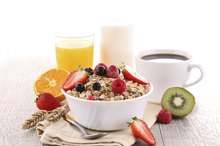
Carbohydrate-containing foods are converted to glucose or sugar in the body, and insulin is necessary to remove excess sugar from the blood and to help the body use this sugar for energy. Women with GDM often have less effective insulin action in the morning, so in order to control post-meal blood sugars, carbohydrates may need to be more restricted at breakfast compared to the other daily meals. A whole grain selection along with a high protein food can be an ideal breakfast for a woman with GDM. Examples include: - Whole wheat English muffin, peanut butter and low sugar jelly - Oatmeal with cinnamon and sliced almonds - Scrambled eggs, whole grain bread, and a sliced tomato. - Quesadilla made with corn or whole wheat flour tortillas and shredded cheese
Lunch and Dinner Ideas
Lunch and dinner meals should be balanced, ideally containing each of the following foods: - Whole grain, bean or starchy vegetable such as potato or corn - Fruit - Vegetable - High protein food such as meat, chicken, fish, eggs, tofu or nuts - Calcium-rich selection such as milk, yogurt, cheese or calcium-fortified soy or almond milk
Meal ideas for lunch and dinner can be: - Turkey sandwich on whole wheat bread with sliced apple, fresh cauliflower and 1 cup of milk - Vegetable salad with chicken, black beans, diced pear, shredded cheese and a small amount of salad dressing, along with whole grain crackers - Fish tacos, pinto beans, salsa, diced mango and 1 cup of milk
An easy way to plan lunch and dinner meals is by using the plate method. This visual makes it simple to put together nutritious and blood sugar-friendly meals. The plate method recommends one-fourth of the plate be filled with a high protein food, one-fourth of the plate with a grain, bean or starchy vegetable, and the other half of the plate filled with mostly vegetables and a small amount of fruit. An example of a meal using this plate method is one-half plate of stir-fried shrimp and vegetables, one-fourth plate of brown rice, and one-fourth plate of fresh strawberries. The plate method also recommends inclusion of a calcium-rich food such as milk or yogurt.
Snacks
Low Carb Meals for Pregnancy
Learn More
In order to control blood sugar levels, excessive carbohydrate intake needs to be avoided. However, women with GDM need to eat enough carbohydrates to make sure the fetal brain receives a regular, adequate supply of energy from food. Snacks are a helpful way to meet this need. Healthful snack choices will contain a source of carbohydrate along with a protein food. Fresh vegetables can be added as well. Examples include: - Blueberries and walnuts - Whole wheat bread and peanut butter - Plain or light yogurt with a small amount of berries - Baked pita chips, cucumbers and hummus - Cheese stick, whole wheat crackers and carrot sticks
Gestational diabetes is a condition that can lead to pregnancy complications if not well managed. See your doctor regularly, and make the necessary changes to improve diet and exercise. Meet with a dietitian to receive a personalized meal plan which can help you tightly manage your blood sugars. If lifestyle changes are not sufficient to bring blood sugar readings within your target ranges, your doctor may recommend pills or insulin.
Reviewed by: Kay Peck, MPH, RD
Related Articles

The Best Gestational Diabetes Meal Plan
Learn More
Low Carb Meals for Pregnancy
Learn More
30-Day Meal Planner for Diabetics
Learn More

Renal Diabetic Diet for Breakfast
Learn More

Diabetic Diet Food List
Learn More
Can Tomatoes Raise Blood Sugar in Diabetics?
Learn More
Protein & Complex Carb Snacks
Learn More

How to Prevent Low Blood Sugar Over Night
Learn More
Sample Menu Plans for 2000-Calorie Diabetic Diet
Learn More

A Meal Plan for Preschoolers
Learn More
References
- The American College of Obstetrics and Gynecologists: Gestational Diabetes
- Diabetes Care: American Diabetes Association Standards of Medical Care in Diabetes -- 2017
- Academy of Nutrition and Dietetics: Evidence Analyisis Library: GDM: Executive Summary of Recommendations (2008)
- Current Diabetes Reports: Role of Medical Nutrition Therapy in the Management of Gestational Diabetes Mellitus.
Resources
Writer Bio
Teresa Cantilli has been working as a Registered Dietitian for 18 years. She is a Certified Diabetes Educator and an ACE Certified Personal Trainer. She earned her Master's Degree in Clinical Nutrition from the New York Institute of Technology. Her work has appeared in The New Standard Newsletter for the NSLIJHS, where she has been working for 10 years, and the book "Migraine Expressions."