
Many things get better with age, but your ability to eat and absorb all the nutrients you need might not be one of them. But how do you know if an over-the-counter multivitamin can help meet your needs?
"If you're eating a balanced diet then you may not need to supplement too much — however, there are some areas where people fall short," says Amy Shapiro, RD, CDN, and founder of Real Nutrition.
Video of the Day
Video of the Day
That can occur due to health conditions or just natural changes related to getting older. Nothing can replace a nutrient-dense and balanced diet, but taking a multivitamin can give you some "nutritional insurance" and provide extra amounts of the most important vitamins and minerals.
Our Picks
- Best Overall: Thorne Women's Multi 50+ ($43.20, Amazon)
- Best on a Budget: Equate Complete Multivitamin Adults 50+ ($8.88, Walmart)
- Best Daily: Bayer One A Day Women’s 50+ ($12.49, Amazon)
- Best Gummy: SmartyPants Masters Formula Women 50+ ($22.86, Amazon)
- Best Food-Based: MegaFood Women's 55+ ($26.99, Amazon)
- Best Source of Vitamin D: Ancient Nutrition Multi Women’s 40+ ($40.32, Amazon)
- Best With Probiotics: Garden of Life Vitamin Code 50 & Wiser Women ($57.58, Amazon)
How We Chose
Because the FDA doesn't regulate supplements as closely as it does medications, your multivitamin may not live up to the promises made on its label.
To ensure that only reputable multivitamins are included on this list, we spoke with registered dietitians for their top picks as well as looked for products with verification from one of the three main independent quality control groups that test and review supplements:
Learn more about how we cover products.
A Note on Language
Here at LIVESTRONG.com, we believe sex and gender are spectrums, so we try our best to use gender-inclusive language. However, manufacturers typically market vitamins to men or women, so we've used that language below.
Keep in mind while there are some nutritional needs that differ depending on your sex assigned at birth, many dietary guidelines are determined based on body size and activity level.
1. Best Overall: Thorne Women's Multi 50+
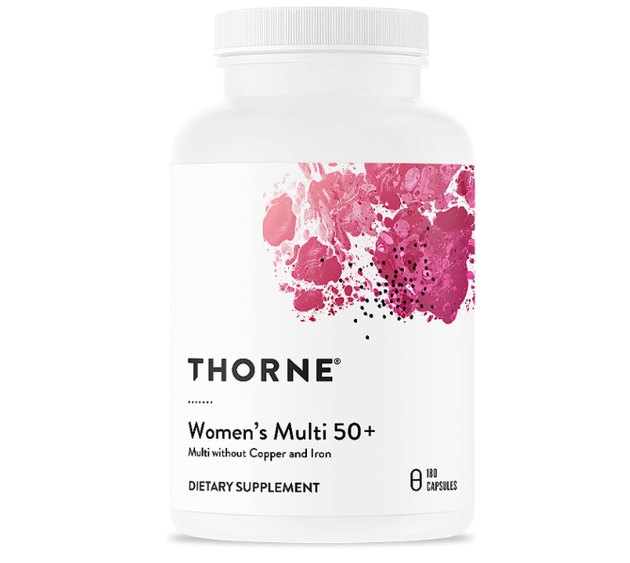
Thorne Women's Multi 50+
This multivitamin comes from a reputable company, according to experts.
Supplement Facts
- Serving Size: Six capsules
- Nutrients and percent Daily Values (DV):
- Biotin: 400 mcg, 1,333% DV
- Calcium: 240 mg, 18% DV
- Choline: 35 mg, 6% DV
- Chromium: 200 mcg, 571% DV
- Folate: 1.7 mg dietary folate equivalent (DFE), 425% DV
- Iodine: 225 mcg, 150% DV
- Magnesium: 180 mg, 43% DV
- Manganese: 6 mg, 261% DV
- Pantothenic acid: 413 mg, 8,260% DV
- Selenium: 200 mcg, 364% DV
- Thiamine: 40 mg, 3,333% DV
- Vitamin A: 2.63 mg, 292% DV
- Vitamin B12: 450 mcg, 18,750% DV
- Riboflavin: 11 mg, 846% DV
- Niacin: 160 mg, 1,000% DV
- Vitamin B6: 10 mg, 588% DV
- Vitamin C: 850 mg, 944% DV
- Vitamin D3: 25 mcg, 125% DV
- Vitamin E: 268 mg, 1,787% DV
- Zinc: 15 mg, 136% DV
- Nutrients without established percent DV:
- Boron: 3 mg
- Lutein: 144 mcg
- Other ingredients: hypromellose and calcium laurate
- Does not contain: copper or iron
"Thorne Women's Multi 50+ is a great multi-vitamin by a [brand] that does a ton of research and has been around for a long time," Shapiro says.
This multivitamin is a good source of magnesium, which is important as older adults tend to eat fewer foods high in magnesium, according to the National Institutes of Health (NIH).
2. Best on a Budget: Equate Complete Multivitamin Adults 50+
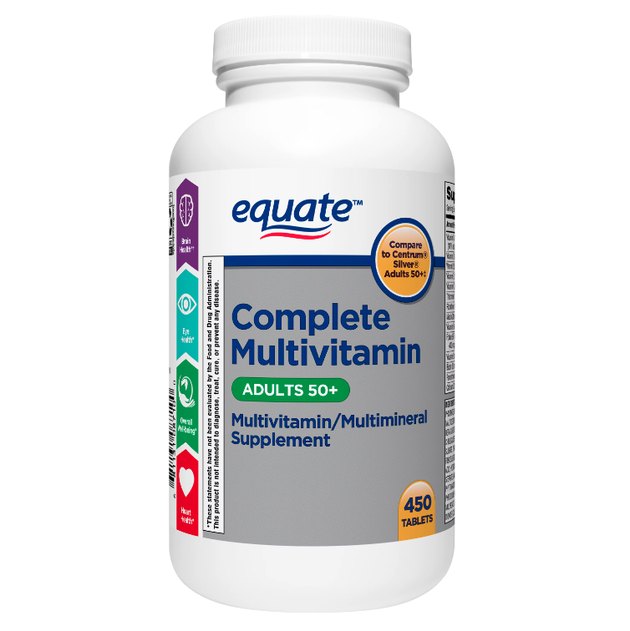
Equate Complete Multivitamin Adults 50+
This pick is budget-friendly, which matters for a multi you take every day.
Supplement Facts
- Serving Size: One tablet
- Nutrients and DVs:
- Vitamin A: 750 mcg, 83% DV
- Vitamin C: 60 mg, 67%DV
- Calcium: 220 mg, 17% DV
- Potassium: 80 mg, 2% DV
- Vitamin D: 25 mcg, 125% DV
- Vitamin E: 22.5 mg, 150% DV
- Vitamin K: 30 mcg, 25% DV
- Thiamine: 1.5 mg, 125% DV
- Riboflavin: 1.7 mg, 131% DV
- Niacin: 20 mg, 125% DV
- Vitamin B6: 3 mg, 176% DV
- Folic acid: 400 mcg, 167% DV
- Vitamin B12: 25 mcg, 1,042% DV
- Biotin: 30 mg, 100% DV
- Pantothenic acid: 10 mg, 200% DV
- Phosphorus: 20 mg, 2% DV
- Iodine: 150 mcg 100% DV
- Magnesium: 50 mg, 12% DV
- Zinc: 11 mg, 100% DV
- Selenium: 19 mcg, 35% DV
- Copper: 0.5 mg, 56% DV
- Manganese: 2.3 mg, 100% DV
- Chromium: 50 mcg, 143% DV
- Molybdenum: 45 mcg, 100% DV
- Chloride: 72 mg, 3% DV
- Other ingredients: microcrystalline cellulose maltodextrin starch, BHT, carboxymethylcellulose sodium, FD&C blue No. 2 Lake, FD&C red No. 40 lake, FD&C yellow No. 6 lake, gelatin, glucose, gum arabic, hydroxypropyl methylcellulose, medium-chain triglycerides, polydextrose, polyethylene glycol, polyvinyl alcohol, silica, sodium aluminum silicate, sodium metavanadate, sugar, sunflower oil, talc and titanium dioxide
- Does not contain: gluten, iron, lactose or artificial flavors
Equate Complete Multivitamin is a consistent top pick for adults among third-party testing organizations. Plus, it's easy on your wallet: Each pill is less than 4 cents.
This OTC multivitamin has the recommended daily allowance for most required nutrients, and does not have any iron. That's a good thing: If you have ovaries, your iron needs fall after menopause. "Unless you are deficient or anemic you can avoid [iron] in your multi" after you stop menstruating, Shapiro says.
3. Best Daily: Bayer One A Day Women's 50+
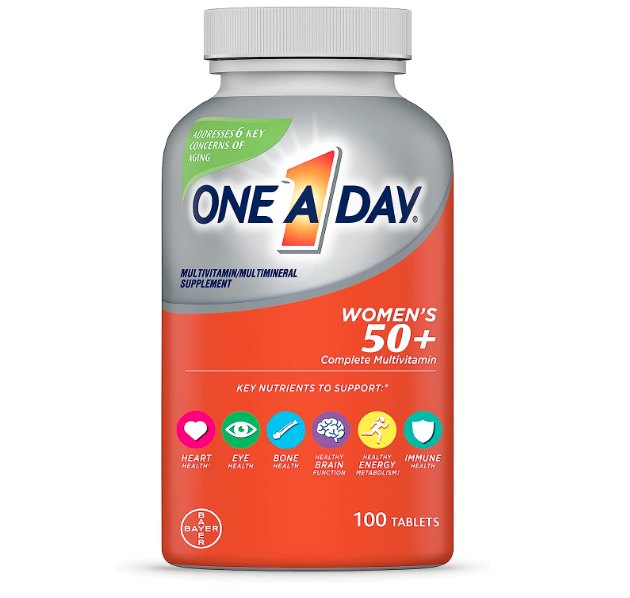
One A Day Women’s 50+ Multivitamin
This daily pill may be easier to stick with, because you don't have to take multiple tablets.
Supplement Facts
- Serving Size: One tablet daily
- Nutrients and DVs:
- Vitamin A: 940 mcg, 104% DV
- Vitamin C: 120 mg, 133% DV
- Vitamin D: 25 mcg, 125% DV
- Vitamin E: 13.5 mg, 90% DV
- Thiamin: 4.5 mg, 375% DV
- Riboflavin: 3.4 mg, 262% DV
- Niacin: 20 mg, 125% DV
- Vitamin B6: 6 mg, 353% DV
- Folic acid: 400 mg, 166% DV
- Vitamin B12: 25 mcg, 1,042% DV
- Biotin: 30 mcg, 100% DV
- Pantothenic acid: 15 mg, 300% DV
- Calcium: 300 mg, 23% DV
- Iodine: 150 mcg, 100% DV
- Magnesium: 50 mg, 12% DV
- Zinc: 24 mg, 218% DV
- Selenium: 27 mcg, 49% DV
- Copper: 2.2 mg, 244% DV
- Manganese: 4.2 mg, 183% DV
- Chromium: 180 mcg, 514% DV
- Molybdenum: 90 mcg, 200% DV
- Other ingredients: microcrystalline cellulose, maltodextrin, artificial flavor, croscarmellose sodium, FD&C yellow #5 aluminum lake, FD&C yellow #6 aluminum lake, gelatin, hydroxypropyl methylcellulose, polyethylene glycol, silicon dioxide, sodium selenite, stearic acid and titanium dioxide
- Does not contain: gluten, wheat, soy allergens, dairy or artificial sweeteners
If taking a handful of pills throughout the day isn't appealing, this pharmacy supplement is a good choice. With just one pill each day, you may be less likely to miss a dose.
4. Best Gummy: SmartyPants Masters Formula Women 50+
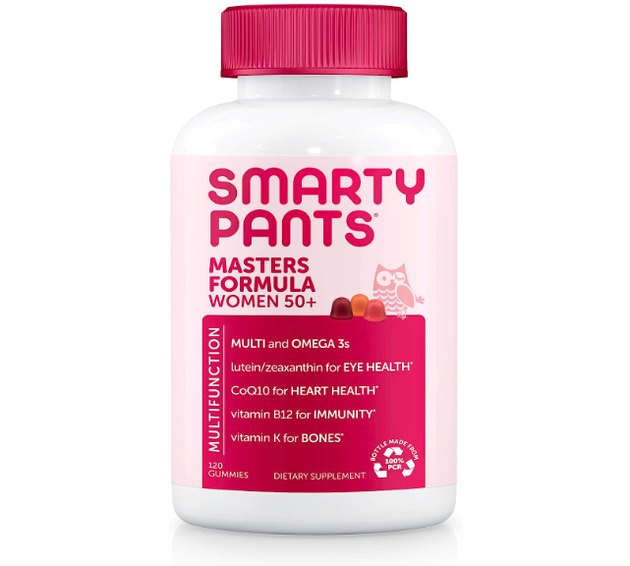
SmartyPants Masters Formula Women 50+
If you'd prefer a chewable multi, Smarty Pants is a recommended brand.
Supplement Facts
- Serving Size: Four gummies
- Nutrients and DVs:
- Vitamin A: 360 mcg, 40% DV
- Vitamin C: 60 mg, 67% DV
- Vitamin D: 30 mcg, 150% DV
- Vitamin E: 15 mg, 100% DV
- Vitamin K: 24 mcg, 20% DV
- Thiamin: 0.24 mg, 20% DV
- Riboflavin: 0.26 mg, 20% DV
- Niacin: 4 mg, 25% DV
- Vitamin B6: 2.25 mg, 132% DV
- Folate: 400 mcg DFE, 100% DV
- Vitamin B12: 4.8 mcg, 200% DV
- Biotin: 30 mcg, 100% DV
- Choline: 55 mg, 10% DV
- Iodine: 150 mcg, 100% DV
- Zinc: 5.5 mg, 50% DV
- Selenium: 14 mcg, 25% DV
- Nutrients without established percent DV:
- Fish oil: 400 mg
- Total omega-3 fatty acids: 120 mg
- EPA and DHA: 100 mg
- Lutemax flower extract: 40 mg
- Lutein: 10 mg
- Zeaxanthin: 2 mg
- Coenzyme Q10: 60 mg
- Inositol: 1 mg
- Vitamin K2: 8 mcg
- Other ingredients: Organic cane sugar, organic tapioca syrup, pectin, gelatin, citric acid, natural flavors, organic black carrot juice concentrate, organic sunflower oil and organic carnauba wax
- Does not contain: Dairy, gluten, wheat, tree nuts, peanuts, eggs, shellfish, synthetic colors or artificial flavors
Gummy vitamins are typically best avoided because the difficulty in manufacturing often leads to mislabeled nutrient amounts, according to ConsumerLab. Third-party testing of Smarty Pants vitamins suggests their labeling is accurate.
Many gummy vitamins have added sugars, so you'll want to check the label if this is a concern for you. One serving of the Smarty Pants Masters 50+ Multivitamin has 6 grams of added sugars.
5. Best Food-Based: MegaFood Women's 55+
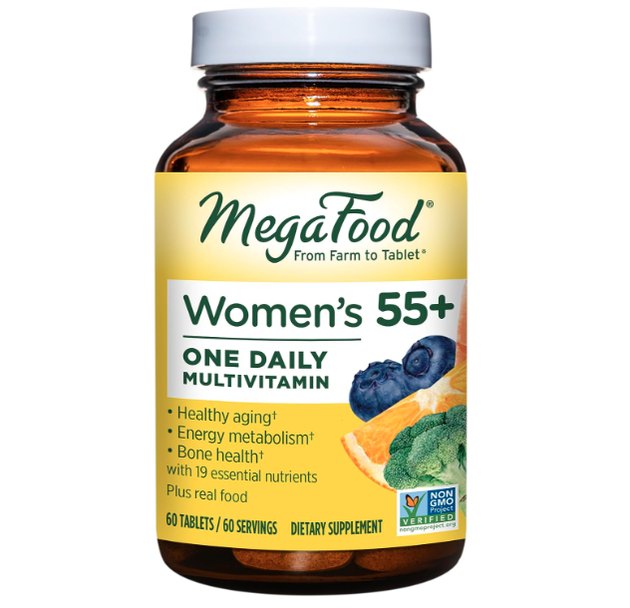
MegaFood Women's 55+ Daily Multivitamin
This food-based multi is made with orange, blueberry, broccoli and more real food.
Supplement Facts
- Serving Size: One tablet per day
- Nutrients and DVs:
- Vitamin A: 180 mcg RAE, 20% DV
- Vitamin C: 90 mg, 100% DV
- Vitamin D3: 40 mcg, 200% DV
- Vitamin E: 12 mg, 80% DV
- Thiamin: 1.2 mg, 100% DV
- Riboflavin: 1.3 mg, 100% DV
- Niacin: 16 mg, 100% DV
- Vitamin B6: 3 mg, 176% DV
- Folate: 200 mcg DFE, 50% DV
- Pantothenic acid: 5 mg, 100% DV
- Iodine: 80 mcg, 53% DV
- Zinc: 9.5 mg, 86% DV
- Selenium: 55 mcg, 100% DV
- Manganese: 2.3 mg, 100% DV
- Chromium: 40 mcg, 114% DV
- Molybdenum: 45 mcg, 100% DV
- Biotin: 55 mcg, 183% DV
- Vitamin B12: 4.8 mcg, 200% DV
- Nutrients without established percent DV:
- Food blend: 256 mg
- Other ingredients: microcrystalline cellulose, ferment media (rice protein, autolyzed yeast extract, organic brown rice, inactive yeast), rice protein, silicon dioxide, stearic acid, autolyzed yeast extract, tapioca food starch and hypromellose
- Does not contain: dairy, soy or animal products
Shapiro recommends this multi from MegaFood that features orange and cranberry. "It is a food-based supplement that has most nutrients you want and eliminates controversial ones such as iron," she says.
6. Best Source of Vitamin D: Ancient Nutrition Multi Women’s 40+
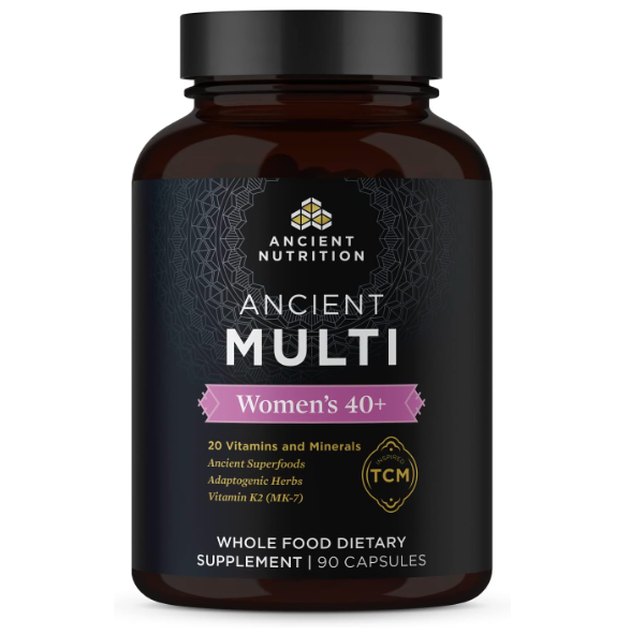
Ancient Nutrition Ancient Multi Women's 40+
This whole-food dietary supplement has high levels of vitamin D.
Supplement Facts
- Serving Size: Three capsules per day
- Nutrients and DVs:
- Vitamin A: 2,905 mcg, 323% DV
- Vitamin C: 65.6 mcg, 73% DV
- Vitamin D: 61.1 mcg, 306% DV
- Vitamin E: 23.6 mg, 157% DV
- Vitamin K: 86.4 mcg, 72% DV
- Thiamin: 5.9 mg, 495% DV
- Riboflavin: 6.5 mg, 500% DV
- Niacin: 14.4 mg, 90% DV
- Vitamin B6: 34 mg, 2,001% DV
- Folate: 892.3 mcg DFE, 223% DV
- Vitamin B12: 9.4 mcg, 391% DV
- Biotin: 281.3 mcg, 257% DV
- Pantothenic acid: 12.9 mg, 257% DV
- Calcium: 85 mg, 7% DV
- Iron: 6 mg, 33% DV
- Iodine: 159.5 mcg, 106% DV
- Magnesium: 29 mg, 7% DV
- Zinc: 10 mg, 91% DV
- Selenium: 99.9 mcg, 182% DV
- Manganese: 2 mg, 87% DV
- Chromium: 69.3 mcg, 198% DV
- Nutrients without established percent DV:
- TCM Women's 40+ Blend: 669 mg (includes: bovine liver, organic foti root extract, organic schisandra fruit and seed extract, organic goji berry extract, organic chastetree berry extract, organic sage leaf extract, organic Chinese yam root extract, beef bone broth, chicken bone broth, organic reishi mushroom extract, organic astragalus root extract, while hake roe)
- Other ingredients: Saccharomyces cerevisiae and beef gelatin
- Does not contain: nuts, dairy or gluten
This multivitamin has active forms of B vitamins and 300 percent of the recommended daily intake of vitamin D, says Sydney Greene, RDN, founder of Greene Health. It can be taken with or without food.
7. Best With Probiotics: Garden of Life Vitamin Code 50 & Wiser Women
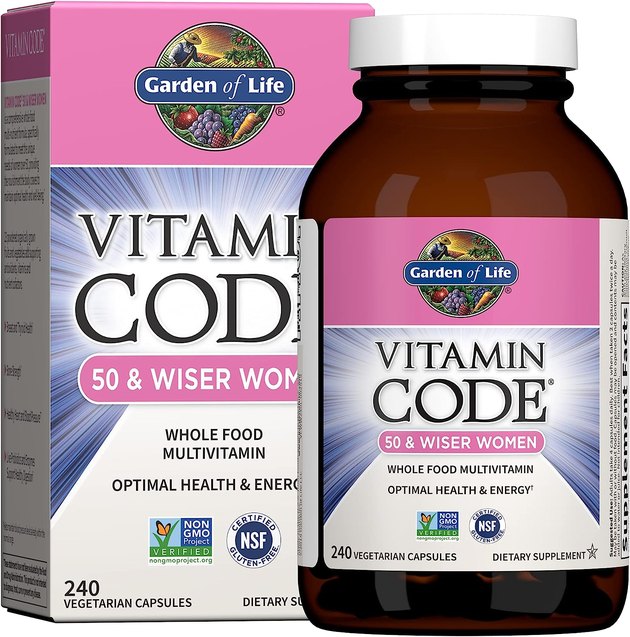
Garden of Life Vitamin Code 50 & Wiser Women
This multi offers digestion-supporting probiotics.
Supplement Facts
- Serving Size: Four capsules (two capsules twice a day)
- Nutrients and DVs:
- Vitamin A: 1,080 mcg, 120% DV
- Vitamin C: 90 mg, 100% DV
- Vitamin D: 50 mcg, 250% DV
- Vitamin E: 15 mg, 100% DV
- Vitamin K: 72 mcg, 60% DV
- Thiamin: 3.24 mg, 270% DV
- Riboflavin: 3.12 mg, 240% DV
- Niacin: 16 mg, 100% DV
- Vitamin B6: 3.4 mg, 200% DV
- Folate: 400 mcg DFE, 100% DV
- Vitamin B12: 80 mcg, 3,333% DV
- Biotin: 30 mcg, 100% DV
- Pantothenic acid: 10 mg, 200% DV
- Iodine: 75 mcg, 50% DV
- Zinc: 7.7 mg, 70% DV
- Selenium: 55 mcg, 100% DV
- Manganese: 2.3 mg, 100% DV
- Chromium: 35 mcg, 100% DV
- Molybdenum: 45 mcg, 100% DV
- Nutrients without established percent DV:
- Vitamin K2: 20 mcg
- Boron: 1 mg
- Vanadium: 10 mcg
- Raw organic fruit and vegetable blend: 706 mg (including apple, beetroot, broccoli stalk and flower, carrot root, spinach leaf, tomato, strawberry, tart cherry, sea kelp, blackberry, green bell pepper, Brussels sprout leaf, blueberry, ginger root, garlic bulb, green onion bulb, raspberry, parsley leaf, cauliflower flower and stem, red cabbage leaf, kale leaf, cucumber, celery stalk and asparagus flower and stem)
- Raw probiotic and enzyme blend: 40 mg (including lipase, protease, aspergillopepsin, beta-glucanase, cellulase, bromelain, phytase, lactase, papain, peptidase, pectinase, hemicellulase, xylanase, lactobacillus bulgaricus and lactobacillus plantarum)
- Raw antioxidant and immune support complex: 10 mg (including glutathione from culture of S. cerevisiae and CoQ10 from fermented media)
- Other ingredients: vegetable cellulose, organic potato starch and organic gum arabic.
- Does not contain: dairy, soy, peanuts, tree nuts, shellfish, artificial colors or preservatives
There's no missing all the buzz about probiotics, aka the "good" kind of bacteria — and this multi is packed with them. Probiotics are linked to improved digestion and immunity, according to Harvard Health Publishing.
The Most Important Nutrients for Your Multivitamin
Every vitamin and mineral plays an essential role in the body, but some are more important to focus on as you age, according to the Office on Women's Health.
Vitamin D
There's a trifecta of obstacles working against older adults when it comes to vitamin D. A combination of spending less time outdoors, not eating enough vitamin D-rich foods and a decrease in the skin's ability to make vitamin D from the sun all increase the risk of deficiency, per the NIH.
Vitamin D works together with calcium to build strong bones and also supports a healthy immune system, according to the Office on Women's Health. Adults 51 to 70 years old need 15 micrograms of vitamin D each day. Once you reach age 70, the recommended daily value increases to 20 micrograms, per the NIH.
Vitamin B12
"We absorb [vitamin B12] less efficiently from our food as we age," Shapiro says. The recommended DV for vitamin B12 is 2.4 micrograms per day, and many people over age 50 don't get enough of it, according to the NIH. Vitamin B12 plays important roles in blood cell formation, bone health, cellular metabolism and nerve function, per the Mayo Clinic.
Calcium
As you age, bone mass decreases and the rate at which bone is regenerated, or remodeled, slows down as well, which can lead to osteoporosis. Your body stores calcium in your bones, so not getting enough of it can lead to weak and brittle bones, according to the Office on Women's Health.



What to Look for in a Multivitamin
Keep these tips in mind as you browse through the many drugstore multivitamins that are available:
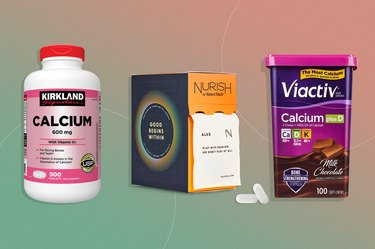
- Make sure it meets your nutritional needs. If you decide to take a multivitamin, look for one that has the key nutrients you need over 60 in amounts at or close to the RDA. For minerals such as calcium and magnesium, you may need to consider taking a separate supplement, if recommended by your doctor.
- Look for third-party testing. There's not much oversight when it comes to marketing supplements. To make sure you're purchasing a quality product, look on the label to see if it's been tested by a third party, such as the USP, Shapiro says.

What to Avoid in a Multivitamin
- Potential allergens. Check the label and ingredients for any allergens that you personally need to be aware of. Supplement companies do not have to disclose all potential allergens, so it's important to do your research for your own safety.
- Nutrients at or above the Tolerable Upper Limit (UL). Some vitamins have more than (or come close to) the UL for nutrients like folic acid. The UL for nutrients is the maximum amount you could take that would be unlikely to cause negative effects, per the NIH. Without third-party testing, it's impossible to know what is really in the multivitamins you're taking.
- Iron. Unless you have iron-deficiency anemia and your doctor recommends supplementation, it might be best to avoid taking extra iron in pill form. Iron stores in older adults are more likely to be too high than too low, according to the Linus Pauling Institute.
- National Osteoporosis Foundation: "What Women Need to Know"
- Academy of Nutrition and Dietetics: "Special Nutrient Needs of Older Adults"
- NIH: "Vitamin B12"
- NIH: Magnesium
- ConsumerLabs: "Multivitamin and Multimineral Supplements Review"
- Harvard Health Publishing: "Health benefits of taking probiotics"
- NIH: "Dietary Reference Intakes"
- Linus Pauling Institute: "Micronutrients for Older Adults"
- Office on Women's Health: "Vitamins and Minerals for Women"