Which Fruits Lower Triglycerides?
The antioxidants and other compounds found in fruits and vegetables help protect your heart's health, according to a study published in the medical journal "Platelets" in 2004. Avocados and kiwi are two fruits in particular that have been found to lower triglyceride levels. Triglycerides are fats that are stored when you don't burn as many calories as you consume. In addition to eating more fruits and vegetables, burning more calories by exercising will also lower your triglyceride levels.
Avocados
In a study published in "Plant Foods for Human Nutrition" in 2014, high cholesterol levels were induced in rats. When their diet was supplemented with reduced-calorie avocado paste, the rats showed a 33 percent decrease in their triglyceride levels. The researchers attributed the results to the avocado's polyphenol, carotenoid and chlorophyll content, which counteract oxidative stress in the body and reduce fat storage in the body's cells.
Kiwi
Can You Lose Weight Eating Cranberries & Almonds?
Learn More
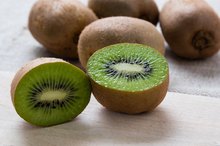
The purpose of the 2004 study published in "Platelets" was to note the effect of kiwi on fat levels in humans. Researchers had volunteers eat two or three kiwis every day for 28 days. Compared with the control group, kiwi consumers' triglyceride levels decreased by 15 percent. Researchers ascribed kiwi's high content of vitamins C and E and polyphenols to this triglyceride-lowering effect and claimed that eating more kiwi can help in the fight against heart disease.
Related Articles
Can You Lose Weight Eating Cranberries & Almonds?
Learn More
Garcinia Cambogia Extract Side Effects
Learn More
Foods to Decrease Platelet Aggregation
Learn More
Should I Eat Kiwi Fruit If I Take Blood Thinners?
Learn More
The Benefits of Bitter Leaf
Learn More
How Many Calories Does a Pear Have?
Learn More
Is Lemongrass Essential Oil Good for Lowering Cholesterol?
Learn More

The Effects of Onions on Cholesterol & Blood Sugar
Learn More

Do Strawberries Help or Hurt Arthritis?
Learn More
How to Clean the Arteries With Garlic & Lemons
Learn More
References
- Plant Foods for Human Nutrition: Reduced-Calorie Avocado Paste Attenuates Metabolic Factors Associated With a Hypercholesterolemic-High Fructose Diet in Rats
- Platelets: Effects of Kiwi Fruit Consumption on Platelet Aggregation and Plasma Lipids in Healthy Human Volunteers
- MedlinePlus: Triglyceride Level
Writer Bio
Karen McCarthy is a health enthusiast with expertise in nutrition, yoga and meditation. She currently studies at the Institute for Integrative Nutrition and has been writing about nutrition since 2012. She is most passionate about veganism and vegetarianism and loves to promote the health benefits of eating fruits and vegetables.