Few things can derail your healthy homemade dinner plans quicker than realizing you forgot to buy a key ingredient or that the recipe calls for something you can't eat.
It's funny how we tend to approach recipes like they're carved in stone, when in reality most of them are actually quite malleable.
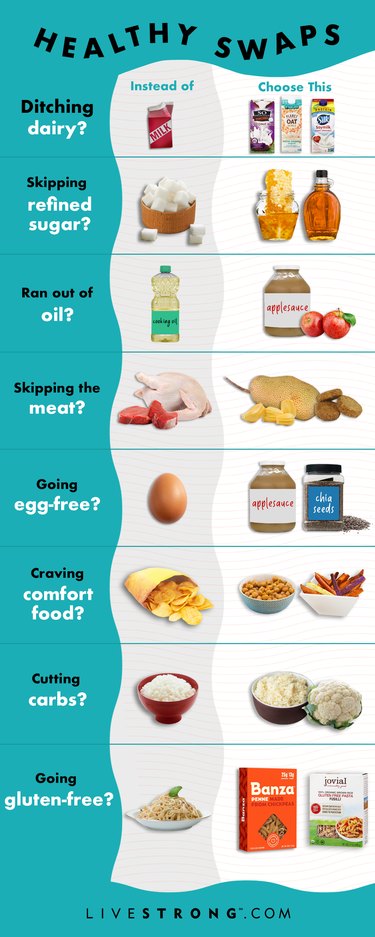
Whether you've run out of pantry staples, started an elimination diet or are just trying to eat healthier, knowing about simple, healthy swaps can keep you on track for cooking and enjoying the meals you love. Take the guesswork out of making smart substitutions with these dietitian-recommended tips and tricks to adding nutrients to any eating plan.
Subbing Out Eggs
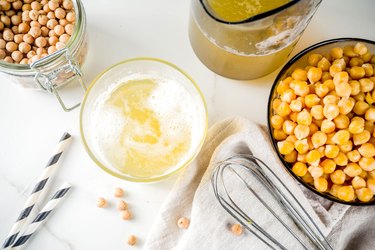
Good news: You can go egg-free and still enjoy breakfast and baked goods. There are plenty of plant-based alternatives (hello, avocado!) that can add moisture to recipes and bind ingredients together — sans the styrofoam carton.
For example: The next time you get the urge to bake, try using a mashed overripe banana in the place of eggs. And when you're craving a scramble, opt for a store-bought egg substitute. (You can be as skeptical as you want, but one of our go-to brands really does look and cook just like a real egg!)
Find out how to substitute eggs while baking and cooking and when to use each type of alternative.
Cooking Without Oil
Cooking oil is the kind of kitchen staple we just take for granted. But what do you do when you reach for that bottle and find that you're out?
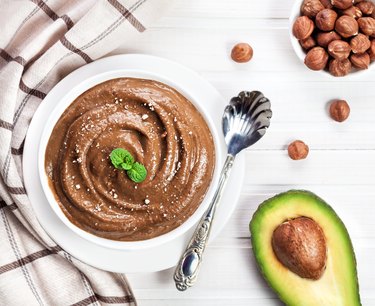
Don't abandon your plans to finally start meal prepping dinners; a bunch of foods in your fridge — including applesauce and avocado — can replace oil and even come with added bonuses, including more nutrients or reduced fat.
Experts share every ingredient you can swap in for oil in your favorite sweet and savory recipes.
Swapping Sweeteners
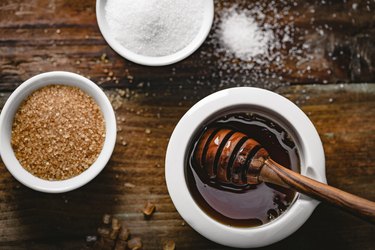
Whether you've resolved to cut back on the refined stuff a bit or are riding a complete sugar detox, there are plenty of options you can experiment with that'll lend your treats the familiar taste you miss.
Natural sweeteners like honey and maple syrup still provide sugar but with a side of trace minerals such as iron, manganese and potassium, while stevia is hyper-sweet and virtually free of calories. Then there are calorie-free sugar alcohols, such as maltitol and erythritol, which you'll want to choose over the zero-cal bad guys: artificial sweeteners.
We've unpacked everything you need to know about sweeteners and sugar substitutes.
Ditching Dairy
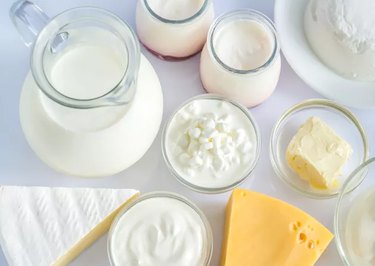
Thanks to the ever-expanding offering of products made from oats, nuts and soy, eliminating dairy from your diet doesn't have to mean milk-less coffee and ice cream-less summer evenings. If you're dealing with a dairy intolerance or trying to cut down on saturated fat by opting for more plant-based foods, heading to the alt-dairy aisle is a good place to start.
But here's the thing: Choosing the best dairy-free product all boils down to the swap's nutrition. You'll want your plant-based alternatives to be fortified with the same nutrients their dairy counterparts pack in, such as calcium and vitamin D. As for taste and texture, you'll be delighted to discover that many of these picks give their lactose-containing counterparts a run for their money.
We share the scoop on the best dairy alternatives for your body and your taste buds.
Making It Without Meat
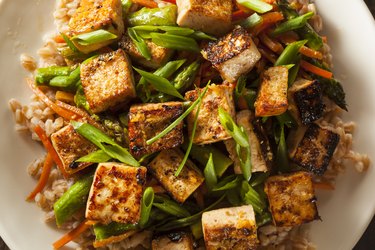
Meat is a classic source of protein, but it's definitely not the only way to get the key macro in your diet.
If you're cutting down on meat or eliminating it completely from your meals, rest assured that there's a wide variety of protein-rich meatless alternatives to try, from familiar options like tofu to the lesser-known jackfruit, which makes for a mean faux pulled pork.
Throw something new on the barbecue: Learn about the top protein-rich meat alternatives and the best ways to cook them for a satisfying meal.
Cutting Carbs

Scaling back on carbs doesn't mean you have to bid a complete farewell to fettuccine or your favorite lunch sandwich. Instead, adopt clever ways to get your carb fix without feeling bloated or stuffed.
For starters, investing in a Spiralizer is one of the easiest ways to not only reduce your carb intake but also add more veggies to your diet. In fact, swapping regular pasta with zoodles (the hip way to say zucchini noodles) can save you over 40 grams of carbs.
Get the best low-carb alternatives for pasta, bread, rice, pizza, fries and more carb-rich favorites.
Giving Junk Food a Healthy Makeover

Giving up comfort and junk food for the sake of your health is an admirable endeavor — but it's also really, really difficult. We get it. Luckily, going cold turkey isn't your only option.
Reroute your cravings in a healthier direction by reaching for nutrient-dense foods that mimic the meals you love. Because it turns out low-sugar, chickpea-based desserts that taste just like cookie dough actually exist. If savory eats are more your style, try one dietitian's genius pizza hack that helps you load up on veggies and fill up fast.
These dietitian-recommended healthy junk food swaps cut calories and saturated fat without sacrificing taste.
Living Gluten-Free
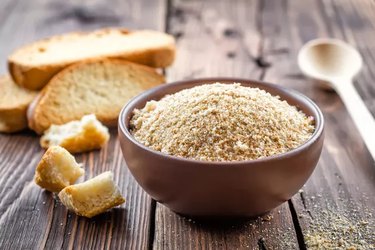
Cutting out gluten (the protein found in wheat, barley and rye) is top priority for anyone with celiac disease or a gluten sensitivity. (Psst: Dietitians agree you there's no need to follow a gluten-free diet if your body can tolerate gluten.)
This calls for tracking down gluten-free versions of pantry staples, such as all-purpose flour, bread and breadcrumbs, that are safe to eat. In many cases, the swaps are pretty simple, but when it comes to baking, things can get a little tricky (but not impossible!).
Here’s everything you should know about switching to healthy, gluten-free alternatives plus expert-recommended products worth trying.