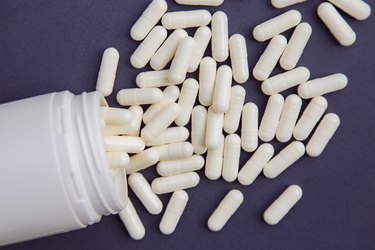
Zinc overdose may occur if you take too many zinc supplements or multivitamins containing large amounts of zinc. Zinc may also interact with medication you are taking. It is very important if you are taking zinc supplements to know the symptoms of zinc overdose.
Read more: How to Choose the Best Multivitamin
Video of the Day
Video of the Day
Zinc Intake and Upper Limits
If you eat zinc as part of your dietary intake, there is limited to no chance you will overdose on zinc. Some foods that naturally contain higher amounts of zinc include:
Red meats
Fortified cereals
Poultry
Whole grains
Seafood
In fact, according to U.S. Department of Health and Human Services, 3 ounces of oysters contain 74 milligrams of zinc, which is 493 percent of the daily needs. Still there is no evidence that someone who ate oysters developed signs or symptoms of a zinc overdose.
The U.S. Department of Health and Human Services also states that the majority of Americans get their recommended zinc intake from red meats and poultry. Finally, the department notes that although grains and cereals are a decent source of zinc, chemicals known as phytates partially block the absorption of zinc.
Also according to the U.S. Department of Health and Human Services, the recommended daily requirements of zinc are 11 milligrams for men over 19 and 8 milligrams for women over 19. Teens have similar numbers, 11 milligrams for boys and 9 milligrams for girls. Women who are pregnant or lactating need more, on average 11 milligrams and 12 milligrams respectively.
The U.S. Department of Health and Human Services states that the safe upper limits of zinc per day are:
- Ages 19 and older — 40 milligrams
- Ages 14 to 18 — 34 milligrams
- Ages 9 to 13 — 23 milligrams
The people most at risk for developing zinc side effects are those that take supplements including multivitamins, lozenges or zinc tablets. However, this should not stop you from taking your supplements if your doctor has prescribed them due to a zinc deficit. Follow all your doctor's recommendations, but be sure to mention if you notice any of the symptoms below.
Zinc Overdose Symptoms
In large quantities, zinc toxicity symptoms can occur. The type of symptoms a person gets can vary based on if it is an acute case or a chronic case of zinc overdose.
Acute zinc overdose symptoms can present similarly to other signs of food poisoning. The Mayo Clinic points out that some symptoms you may experience from taking too much zinc can include:
Vomiting
Indigestion
Cramping in the abdomen
Nausea
Diarrhea
Headaches
If you have taken an excess amount of zinc for a long period of time, you may experience symptoms related to chronic zinc overdose. Some symptoms you may experience if you have chronic zinc overdose include:
Lowered iron amounts (associated with iron deficiency anemia)
Copper deficiencies (associated with blood disorders such as sideroblastic anemia)
Reduced levels of high-density lipoproteins (also known as good cholesterol)
Reduced immune function
According to the Oregon State University's Linus Pauling Institute, you can take supplements of 50 to 180 milligrams a day for one to two weeks without any chronic side effects. However, consistently taking more than 40 milligrams a day for long periods of time can lead to chronic symptoms such as copper deficiencies.
Zinc Interactions With Medications
Zinc supplements can also interact with several medications. You should talk to your doctor before starting a zinc supplement to make sure it won't interact with any of your medications.
According to the Mayo Clinic, some medications that zinc may interact with include:
- Penicillamine — used to treat symptoms of rheumatoid arthritis.
- Thiazide diuretics — can increase the amount of zinc lost in urination. For people with zinc deficiencies, they may need to take higher doses of this drug.
- Quinolone or tetracycline antibiotics — zinc can interfere with their ability to fight bacteria.
While zinc lozenges are available to shorten the duration of common illnesses, if you are sick and on antibiotics, you will need to use extra care when taking zinc. If you are taking antibiotics, take the supplement either four to six hours ahead of the antibiotic or take the antibiotic two hours after. Similarly, if you take the supplement either two hours before or after Penicillamine, you minimize the negative interactions.