zoran simin/iStock/Getty Images
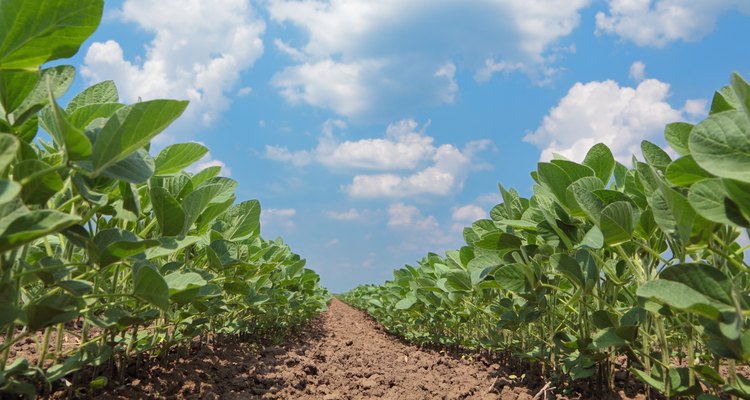
Soy has a number of health benefits, such as decreasing inflammation, reducing the risk of some cancers, lowering LDL or “bad” cholesterol and helping prevent loss of bone density. It is also one of the only plant-based sources of complete protein, providing all the essential amino acids in one vegetarian food. Stick with whole, organic soy and steer clear of highly processed foods like mock meats and soy ice cream to reap the most health benefits.
Unfermented Soy Foods
bhofack2/iStock/Getty Images
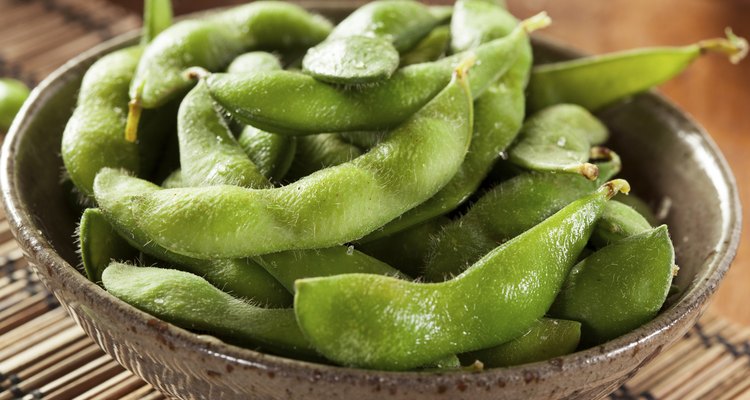
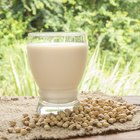
Soybeans are the basis of all soy foods. Young, green soybeans, called edamame, make a delicious snack on their own or mixed into dishes and salads for a protein boost. Foods made from whole soybeans are tofu, or pressed bean curd, and soy milk, made by soaking beans in water, then straining. You can sauté or bake tofu and add it to stir-fries, rice dishes and salads. Use soy milk in your morning cereal or tea, or add it to soups in lieu of dairy. Other soy foods include soy nuts, made by roasting soybeans, and soy yogurt, derived from soy milk.
Fermented Soy Foods
zkruger/iStock/Getty Images
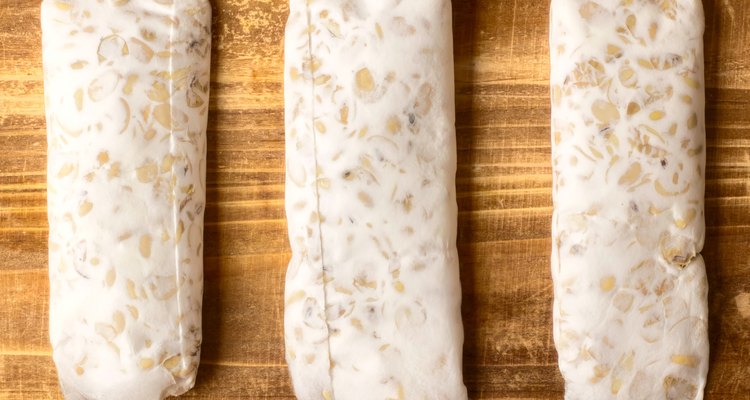
Fermented soy foods may be easier for some people to digest than tofu and other unfermented soy. Tempeh, miso and soy sauce are the best known among fermented soy foods. Tempeh has a firm, hearty texture that makes it ideal for use in vegetarian chili, stews and soups. Adding a little bit of miso, a seasoned soy paste, to hot water or broth creates a simple, nutritious soup; you can also incorporate miso into dips and dressings for raw and cooked vegetables. Soy sauce is a flavorful addition to stir-fries and soups. Note that fermented soy foods tend to be higher in sodium, so watch your portions for best health.
Related Articles
How to Cook Soybeans in a Slow Cooker
Can You Use Oatmeal to Remove ...
How Do I Curdle Soy Milk With Lemon ...

How to Make Sweet Brown Rice
The Nutrition in Soybean Sprouts

Sayings to Cheer Someone Up Who Has ...
What Are Health Benefits of Stinky Tofu?
How to Convert Dried Beans to Cooked ...
How to Reheat Leftover Pork Chops ...
How to Substitute Soy Milk for Milk in ...
How to Use Garbanzo Beans As a Meat ...

How to Freeze Lentils

Can the Neck Be Exfoliated?
Ten Kinds of High-Fiber Beans
Spices to Use in Red Beans
The Amount of Lactose in Yogurt
4 Simple Healthy Dinner Recipes

How to Cook Corned Beef Without Being ...
Fiber in Soybeans
How Many Calories in a Taco Bell Bean ...
References
Writer Bio
Paula Martinac holds a Master of Science in health and nutrition education from Hawthorn University, with an emphasis on healthy aging, cancer prevention, weight control and stress management. She is Board Certified in holistic nutrition and a Certified Food and Spirit Practitioner, and has written extensively on nutrition for various websites.
Photo Credits
zoran simin/iStock/Getty Images