What Causes Midsection Weight Gain?
Midsection weight gain a looming health crisis in a world where excess body weight is a common problem -- nearly 70 percent of all American adults have overweight or obesity, according to the National Institute of Diabetes and Digestive and Kidney Diseases. Unlike the excess fat stored on your hips, thighs or upper arms, excess belly fat isn’t just a cosmetic concern -- it’s a sign that you may be storing too much visceral fat, the kind that’s associated with an increased risk of cardiovascular disease and other chronic conditions.
Gender, Age and Genes
Several biological factors, including gender, age and genetic predisposition, can influence your body type, or how you carry your weight, and where you’re most likely to store excess weight. Women naturally have a higher percentage of body fat compared to men, and a woman’s body fat percentage also tends to increase more with age. While younger women tend to store excess body fat throughout their hips and thighs, middle-aged women are more likely to begin storing excess fat in their midsections.
That’s not to say that men aren’t prone to weight gain as they age -- all aging adults experience a decline in lean tissue, or muscle mass, which can promote fat storage, particularly as physical activity declines. Men and women may be equally susceptible to midsection weight gain if it’s a common family trait.
Positive Energy Balance
What Are the Causes of Severe Cellulite in Thin People?
Learn More
Unless you have a very high metabolism, a positive energy balance -- or consuming more calories than you use -- will cause you to gain weight, irrespective of your gender. One reason that midsection weight gain has long been associated with middle age is because people don’t always adjust their calorie intake to match their declining needs as they age. According to the American Council on Exercise, this trend is reflected in the data from a National Health and Nutrition Examination Survey, which found that, starting from the age of 25, men gain an average of 3.4 percent of their body weight every 10 years, while women gain an average of 5.2 percent of their body weight every decade. Consuming fewer daily calories as you age, therefore, can help curb midsection weight gain.
Poor Dietary Choices
Simple carbohydrates -- whether they’re in the form of refined grain products or caloric sweeteners -- are a major culprit behind excess abdominal fat. A meal rich in simple carbohydrates can cause your body to release excess insulin, the hormone that helps your body use sugar, or glucose. Excess insulin can cause your blood glucose to level off more rapidly than it would normally, which can cause fatigue, shakiness and hunger. A diet that’s consistently rich in refined carbohydrates or sugar can set you up for insulin resistance, a condition in which your body no longer responds properly to normal levels of insulin. The result is higher blood glucose levels and weight gain, often through the midsection.
Reducing your intake of crackers, pretzels, white rice, traditional pasta and other refined grains can help you avoid this problem. If you’re like most Americans, who get 16 percent of their daily calories from added sugars, cutting soda, sports drinks, sweetened coffee beverages, cookies, cake and other sweetened foods out of your diet will be even more beneficial to your waistline.
Sleep, Stress and Lifestyle
The Advantages of a Healthy Body Composition
Learn More
Midsection weight gain is a complex problem that’s affected by more than just biological factors and diet -- your lifestyle can also thicken your waistline. According to Harvard Health Publications, adults younger than the age of 40 who sleep fewer than 5 hours a night -- or more than 8 hours a night -- tend to have significantly more visceral fat. Chronic stress causes your adrenal glands to secrete cortisol, and having persistently high cortisol levels promotes general fat storage as well as visceral fat. High levels of cortisol have even been linked to the buildup of visceral fat in lean women. Smoking also affects your midsection, with heavy smoking greatly increasing the likelihood of excess belly fat. Drinking too much alcohol is another common cause of midsection weight gain.
Keeping Track of Midsection Fat
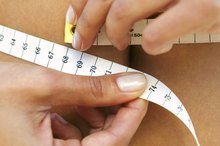
The easiest way to keep track of visceral fat is by measuring your waist circumference with a cloth tape measure. To measure correctly, place the tape measure across your navel, so that the bottom edge of the tape is level with the top of your hip bones. The tape should be snug but not tight; take the measurement just after you exhale to help ensure you’re not pulling in your abdominal muscles. A waist circumference measurement of more than 40 inches in men and more than 35 inches in non-pregnant women generally indicates a higher risk of obesity-related illness.
Related Articles

What Are the Causes of Severe Cellulite in Thin People?
Learn More

The Advantages of a Healthy Body Composition
Learn More

The Best Exercises to Reduce Cellulite
Learn More

What Causes Middle Aged Men to Gain a Lot of Weight?
Learn More

How to Get a Smaller Waist Fast for Teens
Learn More

How to Get a Huge Belly
Learn More

How to Lose Belly Fat Fast for Kids
Learn More
How to Lose 40 Pounds in 4 to 6 Weeks
Learn More

What Are the Causes of Women's Middle Age Belly Fat?
Learn More

Factors Contributing to a Healthy Lifestyle
Learn More
References
- National Institute of Diabetes and Digestive and Kidney Diseases: Overweight and Obesity Statistics
- Harvard Health Publications: Taking Aim at Belly Fat
- Harvard Health Publications: Abdominal Fat and What to Do About It
- Rush University Medical Center: Is There ‘One Trick’ to Losing Belly Fat?
- University of New Mexico: Cortisol Connection -- Tips on Managing Stress and Weight
- ACE Fit: Is It True That Metabolism Decreases With Age?
- Centers for Disease Control and Prevention: Assessing Your Weight
Writer Bio
Based just outside Chicago, Meg Campbell has worked in the fitness industry since 1997. She’s been writing health-related articles since 2010, focusing primarily on diet and nutrition. Campbell divides her time between her hometown and Buenos Aires, Argentina.