What does fact checked mean?
At Healthfully, we strive to deliver objective content that is accurate and up-to-date. Our team periodically reviews articles in order to ensure content quality. The sources cited below consist of evidence from peer-reviewed journals, prominent medical organizations, academic associations, and government data.
- Dermato-endocrinology: The Relationship of Diet and Acne
- Dermato-endocrinology: The Relationship of Diet and Acne
- National Institutes of Health: Vitamin C
- National Institutes of Health: Selenium
- American Heart Association: Eating a Heart Healthy Diet
- Linus Pauling Institute: Minerals and Skin Health
The information contained on this site is for informational purposes only, and should not be used as a substitute for the advice of a professional health care provider. Please check with the appropriate physician regarding health questions and concerns. Although we strive to deliver accurate and up-to-date information, no guarantee to that effect is made.
The Best Foods to Eat to Get Rid of Acne & Blackheads
The best foods to eat to get rid of acne and blackheads are foods you will find in a well-balanced diet. Fruits,vegetables, and lean protein may alleviate and help prevent acne breakouts, according to a 2009 issue of "Dermato-endocrinology" Making lifestyle changes that incorporate these foods into your diet will reap the best results 1. In addition to improving your skin, the foods will help you to obtain an overall better level of health. However, there are no miracle, overnight cures.
Vitamin C-rich Foods
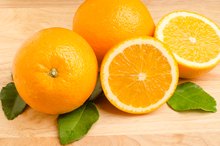
Some of the best foods to eat to get rid of acne and blackheads will contain respectable amounts of vitamin C. This vitamin is needed for repairing and growing all tissues in your body, states the National Institutes of Health 23. The antioxidant helps to protect your skin while healing it. All fruits and vegetables contain some amount of vitamin C, states the NIH. Fruits in the berry family are excellent sources you can choose from. These include red and black raspberries, strawberries, blueberries and cranberries. Other vitamin C-rich fruits include:
- cherries
- apples
- mango
- papaya
- pineapple
- pears
- melons
- citrus fruits
Citrus fruits include grapefruit, lemons, limes, tangerines and oranges. Juices made from these fruits can also contain large amounts of the skin-healthy nutrient. Dark, leafy greens include
- spinach
- turnip greens
- mustard greens
- collards
- according to the American Heart Association 4
- Some of the best foods to eat to get rid of acne and blackheads will contain respectable amounts of vitamin C. This vitamin is needed for repairing and growing all tissues in your body, states the National Institutes of Health 2.
Protein-rich Foods
Do Eggs Cause Acne?
Learn More
Swapping out unhealthy, high-glycemic foods for lean protein may have a positive effect on your skin, according to a study in the July 2007 issue of the "American Journal of Clinical Nutrition." The study reports that protein also increases your feeling of fullness, which prevents you from overeating and helps prevent weight gain and obesity. Replacing fatty meats with lower fat protein may also help to get rid of acne and blackheads. Lean protein includes plant-based sources including legumes such as lentils, kidney beans, split peas and other beans. Fish that can help your skin health are those classified as heart-healthy by the American Heart Association 4. These include fatty, cold water fish such as:
- salmon
- herring
- trout
- sardines
- mackerel
- albacore tuna
You can eat fresh fish or canned versions to get your lean protein. Start eating skinless poultry such as turkey and chicken to help your skin's health.
- Swapping out unhealthy, high-glycemic foods for lean protein may have a positive effect on your skin, according to a study in the July 2007 issue of the "American Journal of Clinical Nutrition."
Selenium-Rich Foods
Selenium is a trace mineral needed for maintaining healthy skin, according to the Linus Pauling Institute 5. Selenium is found in a variety of both plant-based and animal-based foods. Shellfish including oysters and clams are rich sources of the nutrient, states the National Institutes of Health 23. Other animal sources include red meat such as beef, lamb, veal and pork. Fish, poultry and organ meats are other animal-based dietary sources. Organ meats include liver, kidneys, spleen and hearts. Plant-based sources of selenium include brewer's yeast, garlic and whole grains. Foods falling within the whole grains family include:
- oats
- oat bran
- barley
- brown rice
- wheat bran
- whole wheat
- spelt
- quinoa
- states the American Heart Association 4
Choose whole grain products such as pastas, breads, crackers and cereals to get rid of your acne and blackheads.
- Selenium is a trace mineral needed for maintaining healthy skin, according to the Linus Pauling Institute 5.
- Plant-based sources of selenium include brewer's yeast, garlic and whole grains.
Related Articles
Do Eggs Cause Acne?
Learn More
Beta Carotene for Acne
Learn More
Home Remedy for an Infected Pimple
Learn More
Vegetable & Fruit for Acne Skin
Learn More

How to Get Rid of Scars on Legs by Razors
Learn More
Vitamin C for Cystic Acne
Learn More
How to Create New Skin Cells Naturally
Learn More

The Best Vitamin for Sagging Facial Skin
Learn More

How to Prevent Wrinkles After Dieting
Learn More
Tuna Sandwich Diet
Learn More
References
Writer Bio
Crystal Welch has a 30-year writing history. Her more than 2,000 published works have been included in the health and fitness-related Wellness Directory, Earthdance Press and Higher Source. She is an award-winning writer who teaches whole foods cooking and has written a cookbook series. She operates an HON-code-certified health-related blog with more than 95,000 readers. Welch has a B.B.A. from Eastern Michigan University.