What Is Noni Seed Oil Good For?
Noni seed oil is extracted from the seed of a small evergreen tree that grows in the tropical areas of Southeast Asia, Australia, New Zealand, New Guinea and the Polynesian islands. The plant has a long history of use as a dye in these regions. Today, noni juice and various preparations made from the fruit and leaf of the tree are marketed as health tonics. Noni seed oil is used topically to address inflammatory skin conditions and joint pain associated with arthritis and rheumatism. Although studies are limited, there is evidence to suggest that compounds in the oil may possess anti-inflammatory properties.
Botanical Description
The botanical name for noni is Morinda citrifolia. This tree is also known by many common names, including Indian mulberry, mengkudu, canary wood, hog apple, dog dumpling, cheese fruit, vomit fruit and great morinda. The tree bears flowers and fruit-year round. Although the large flowers are attractive and fragrant, the ripe fruit imparts an odor reminiscent of old cheese, hence the nicknames cheese fruit and vomit fruit.
Chemical Composition
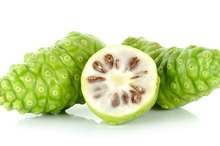
Noni for Acne
Learn More
Noni fruit, which is multi-seeded, is a source of potassium and vitamins A and C, according to the “Physicians’ Desk Reference for Herbal Medicines.” The herb also contains numerous compounds that produce medicinal effects, such as scopoletin, asperuloside, rutin, linoleic acid and various terpenoids, amino acids, alkaloids, anthraquinones and volatile oils.
Pharmacological Effects
Collectively, the active agents in noni are antiviral, antibacterial, antioxidant, analgesic, anti-tumor and hypotensive, which means the herb may decrease blood pressure. Noni is under investigation as a potential treatment for breast and prostate cancer, according to the National Center for Complementary and Alternative Medicine. Noni seed oil is anti-inflammatory and effectively counters acne and other inflammatory skin conditions, such as eczema.
Scientific Evidence
Side Effects of Frankincense Oil
Learn More
The majority of peer-reviewed research on noni has targeted the effects of the juice and leaf extract, not noni seed oil. However, a few studies have been published on the benefits of one of its major components -- linoleic acid. When you ingest linoleic acid, your body converts it into gamma-linolenic acid. GLA supplementation may help reduce swelling, stiffness and joint pain associated with rheumatoid arthritis and nerve pain associated with diabetic neuropathy, according to the University of Maryland Medical Center. However, it is not known for certain if linoleic acid delivers anti-inflammatory and analgesic benefits when applied to the skin. In a 2010 study published in “Mediators of Inflammation,” scientists speculate that linoleic acid and squalene may play a role in regulating sebum production, a factor involved in acne. Specifically, the theory is that these compounds inhibit sebum secretion by using nuclear receptor proteins called peroxisome proliferators-activated receptors as a pathway.
Safety Considerations
No known adverse effects have been reported from the use of noni seed oil, but data regarding its safety and effectiveness is limited. If you experience a local allergic reaction to noni seed oil, discontinue use and see your physician or dermatologist.
Related Articles
Noni for Acne
Learn More

Side Effects of Frankincense Oil
Learn More
Natural Alternatives to Larazapam
Learn More

The Side Effects of Agnus Castus
Learn More
Garcinia Cambogia Extract Side Effects
Learn More
Is Lemongrass Essential Oil Good for Lowering Cholesterol?
Learn More
The Side Effects of Geranium Oil
Learn More
The Health Benefits of the Plantain Leaf
Learn More
What Are the Benefits of XanGo Juice?
Learn More
Side Effects of Mangosteen Extract
Learn More
References
- National Center for Complementary and Alternative Medicine: Noni
- “Physicians’ Desk Reference for Herbal Medicines”; Thomas Brendler, et al.; 2007
- University of Maryland Medical Center: Gamma-linolenic Acid
- “Mediators of Inflammation”; Lipid Mediators in Acne; M. Ottaviani, et al.; 2010
Writer Bio
Karyn Maier is a seasoned columnist and feature writer. Since 1992, her work has appeared in Mother Earth News, The Herb Quarterly, Better Nutrition and in many other print and digital publications. She is also the author of five books, and is published in six languages.