High cholesterol is a major contributing factor to heart disease, the primary cause of death in the U.S. If left unaddressed, it may also lead to stroke, gallstones, numbness in the legs, poor circulation and other ailments. One way to lower your cholesterol levels is to tweak your lifestyle. Simple changes, such as eliminating trans fats and getting more exercise, can make all the difference.
Good vs. Bad Cholesterol
Video of the Day
The human body needs cholesterol to produce vitamin D and certain hormones, build cell membranes and support bile production. This waxy substance is an integral component of the cell plasma membrane and plays a key role in cellular functions. It's synthesized in the liver and transported to your cells through the blood.
Video of the Day
Not all cholesterol is created equal, though. HDL (high-density lipoprotein) cholesterol removes excess plaque and cholesterol from your system, leading to a lower risk of stroke and cardiovascular problems. The LDL (low-density lipoprotein) version builds up on the artery walls and narrows the blood vessels. Therefore, HDL is considered the "good" cholesterol, while LDL is referred to as the "bad" cholesterol.
As MedlinePlus notes, LDL cholesterol should not exceed 100 milligrams per deciliter. HDL cholesterol levels should be at least 50 milligrams per deciliter in women and 40 milligrams per deciliter or higher in men. Total cholesterol levels of between 125 and 200 milligrams per deciliter are considered normal for healthy adults.
Read more: Normal Cholesterol Levels by Age
Foods That Lower Cholesterol Fast
A sedentary lifestyle, smoking, obesity and poor nutrition all contribute to elevated cholesterol. Certain factors — such as your age, genes and race — have an impact too. According to a 2016 review published in the journal Cell, this condition runs in families. Back in 1938, it was named familial hypercholesterolemia.
While you cannot control these factors, you can change your diet and lifestyle habits to keep your heart healthy. Some foods, including olive oil and fatty fish, have been shown to raise good cholesterol and lower bad cholesterol levels. Others, especially those high in trans fats, have the opposite effect.
Read more: The 9 Best Cholesterol-Lowering Foods
It's important to note that dietary cholesterol has a minimal impact on blood cholesterol levels. In 2018, the journal Nutrients published a review describing the relationship between the two. Researchers point out that trans fats and saturated fatty acids, not dietary cholesterol, increase heart disease risk.
Therefore, a low-cholesterol diet won't necessarily reduce total cholesterol and LDL levels. What you need to do is to replace deli meats, chips, fries, hydrogenated vegetable oil and other sources of trans fats with whole foods rich in healthy fats.
Eat Plenty of Avocado
An avocado a day keeps heart disease away. Despite its high fat content, this delicious fruit can improve blood lipids and make weight loss easier. A 2015 clinical trial published in the Journal of the American Heart Association indicates that eating one avocado daily as part of a moderate-fat diet may lower total and LDL cholesterol and boost cardiovascular health without affecting good cholesterol levels.
This fruit is loaded with fiber, antioxidants and monounsaturated fats. These nutrients support cardiovascular function and overall health. Soluble fiber, for example, binds cholesterol in the GI tract and eliminates it from your body. According to the National Lipid Association, eating 5 to 10 grams of fiber daily can lower bad cholesterol levels by up to 11 points.
A large avocado boasts 13.5 grams of fiber, which is more than half of the daily recommended intake, and also provides 19.7 grams of monounsaturated fat milligrams per deciliter and 221 milligrams of omega-3 essential fatty acids. Compared to other fruits, it's lower in sugar and carbs, so it doesn't cause insulin spikes. Thanks to its high fiber and fat content, it keeps you full longer and curbs hunger.
Swap Processed Meat for Fish
Salmon, mackerel, sardines, tuna and other fatty fish are some of the best foods to lower LDL and reduce heart disease risk. According to a 2016 review featured in Marine Drugs, fish may help prevent cardiovascular problems thanks to its high content of bioactive compounds and polyunsaturated fatty acids (PUFAs), such as omega-3s. Research suggests that the fats in fish have little or no effect on total cholesterol but affect HDL and LDL cholesterol.
The study also points out that PUFAs may lower blood pressure, improve endothelial function and reduce inflammation, leading to better cardiovascular health. Processed and red meats, on the other hand, have been shown to increase the risk of death from all causes. Researchers believe that these side effects may be due to the nitrites and nitrates in red meat as well as to the toxic compounds released during cooking.
As the American Heart Association notes, red meat is higher in saturated fat than fish, chicken and vegetables. Processed meat contains trans fats that raise bad cholesterol and lower good cholesterol levels. That's why health experts recommend limiting red meat consumption and eating more fish and white meat.
Fill Up on Beans
Beans are chock-full of protein and dietary fiber. Some varieties, such as navy beans, provide up to 19 grams of fiber per cup, which represents about 76 percent of the daily recommended fiber intake. The same goes for lentils, split peas, chickpeas and other legumes.
In 2014, the Canadian Medical Association Journal published a meta-analysis of 26 clinical trials assessing the effects of dietary pulses on cholesterol and other blood lipids. Researchers have found that eating one serving of beans, lentils, peas or chickpeas daily can lower LDL cholesterol by up to 5 percent and reduce the risk of major vascular events by 5 to 6 percent. Surprisingly, these beneficial effects were greater in men than in women.
Despite their health benefits, legumes are not widely consumed in the U.S. However, they can be a delicious, healthy addition to most diets. The key is to be creative in the kitchen. Add beans and other pulses to salad and fish dishes; serve them with chicken or lean beef; use them in dips and spreads; include them in soups and stews.
Start Your Day With Grains
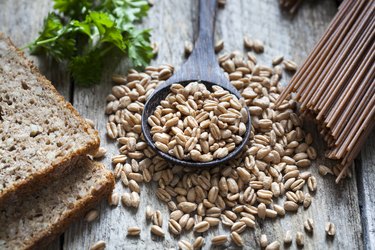
Swap granola, energy bars and breakfast cereals for whole grains to bring your cholesterol down. Whole wheat, oats, rye, wild rice and other whole grains are packed with fiber and contain little or no saturated fat. One cup of oats, for instance, boasts 16.5 grams of fiber and large doses of phosphorus, magnesium, iron and B vitamins. These nutrients promote cardiovascular and metabolic health.
According to a 2015 review published in The American Journal of Clinical Nutrition, whole grains — especially oats — reduce total and LDL cholesterol, but not HDL cholesterol. Even though their hypocholesterolemic effect is lower than that of statins and other drugs, it still matters. A 1 percent reduction in cholesterol levels can lower coronary heart disease risk by as much as 3 percent.
Researchers attribute these benefits to the fiber in grains. Oat and barley, for example, are rich in beta-glucan, a type of soluble fiber that has been frequently shown to reduce blood lipids. The study also suggests that calorie restriction can help maximize these beneficial effects.
Lower Your Cholesterol Levels Naturally
As you can see, there are plenty of foods that lower cholesterol fast. Your diet may also include nuts, seeds, leafy greens, soy, garlic and high-fiber fruits like berries and apples. Extra dark chocolate is a healthy choice too.
Garlic, for example, may reduce total and LDL cholesterol — as well as blood pressure — when combined with lemon juice, according to a 2016 clinical trial published in the International Journal of Preventive Medicine. Subjects saw major improvements in their blood lipids in just eight weeks.
Read more: List of Foods With Good and Bad Cholesterol
Remember to cut back on processed foods as well. Sausage, salami, pizza, pastries and junk food are all loaded with trans fats and sugars. They not only clog your arteries and raise cholesterol levels but also affect your waistline. In the long run, they may increase your risk of chronic illnesses and accelerate aging.
- MDedge: Clinician Reviews: Heart Disease Remains the Leading Cause of Death in U.S.
- IOS Press: Understanding the Role of Cholesterol in Cellular Biomechanics and Regulation of Vesicular Trafficking
- MedlinePlus: Cholesterol Levels: What You Need to Know
- Cell: A Century of Cholesterol and Coronaries: From Plaques to Genes to Statins
- MDPI: Nutrients: Dietary Cholesterol and the Lack of Evidence in Cardiovascular Disease
- Journal of the American Heart Association: Effect of a Moderate Fat Diet With and Without Avocados on Lipoprotein Particle Number, Size and Subclasses in Overweight and Obese Adults
- National Lipid Association: Adding Soluble Fiber to Lower Your Cholesterol
- SELFNutrition Data: Raw Avocados
- Loma Linda University Health: Avocados and Almonds
- MDPI: Marine Drugs: Nutraceuticals and Bioactive Components From Fish for Dyslipidemia and Cardiovascular Risk Reduction
- BMJ: Mortality From Different Causes Associated With Meat, Heme Iron, Nitrates, and Nitrites in the NIH-AARP Diet and Health Study
- American Heart Association: Meat, Poultry, and Fish: Picking Healthy Proteins
- American Heart Association: The Skinny on Fats
- MyFoodData: Nutrition Facts for Navy Beans
- Canadian Medical Association Journal: Effect of Dietary Pulse Intake on Established Therapeutic Lipid Targets for Cardiovascular Risk Reduction
- SELFNutrition Data: Oats
- The American Journal of Clinical Nutrition: Whole-Grain and Blood Lipid Changes in Apparently Healthy Adults
- International Journal of Preventive Medicine: Effect of Garlic and Lemon Juice Mixture on Lipid Profile and Some Cardiovascular Risk Factors in People 30-60 Years Old With Moderate Hyperlipidaemia
- NIH: High Blood Cholesterol
- WebMD: Understanding Cholesterol Numbers
- Heart.org: Cooking to Lower Cholesterol
Is this an emergency? If you are experiencing serious medical symptoms, please see the National Library of Medicine’s list of signs you need emergency medical attention or call 911.