Overview
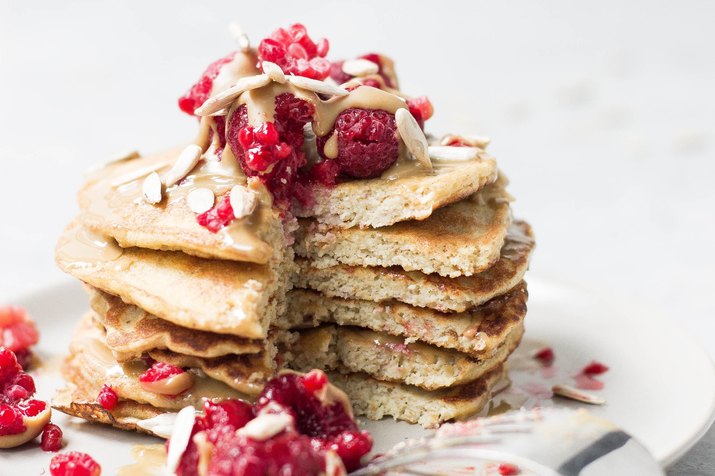
According to Harvard School of Public Health Nutrition Source, "People who regularly eat nuts are less likely to have heart attacks or die from heart disease than those who rarely eat them." High-quality nut butters without added sweeteners or preservatives have nutrient profiles similar to the nuts from which they're made. Two tablespoons contain an average of 190 calories and 17 grams of mostly heart-healthy unsaturated fat. It also provides a few grams of protein and some key vitamins and minerals. All that good nutrition and almost no sugar in a convenient snack food makes nut and seed butters a fantastic addition to your pantry. Although peanut and almond butter may be most familiar, butters can be made from almost any seed or nut -- and you can even make your own!
1. Cashew Butter
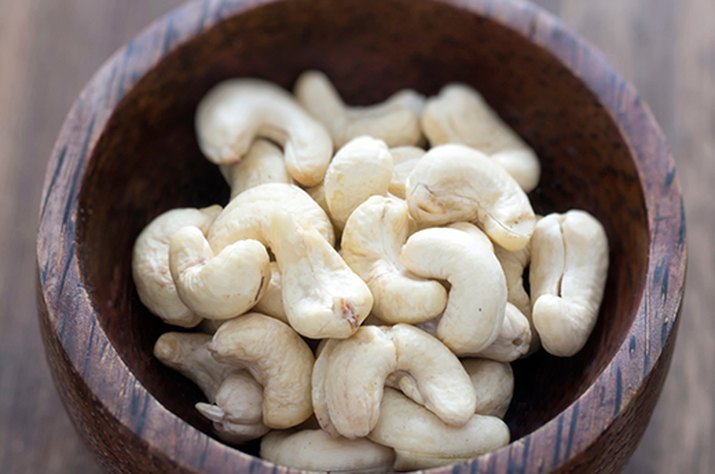
Cashew butter has a relatively sweet taste and a smooth, creamy texture. Although cashew butter is somewhat lower in fat than other nut butters (two tablespoons contain 16 grams of fat, compared with 18 grams for almond butter and 19 grams for walnut butter), its fat profile is a winning one. Sixty-two percent of the fat in cashew butter is of the monounsaturated kind, making it one of the top sources of monounsaturated fatty acids (MUFAs) in the nut category. MUFAs, also found in high proportions in olive oil and avocados, have beneficial effects on blood pressure and cholesterol levels. Two tablespoons of cashew butter provides about 87 percent of the Recommend Dietary Allowance (RDA) of copper, a trace mineral that's essential for adequate use of iron by the body. Cashew butter sold in stores may contain added oils (e.g., sunflower oil), so look out for products with any ingredients other than cashews and salt. RECOMMENDED BRANDS: Artisana Organic Raw Cashew Butter, Dastony Cashew Butter, and Rejuvenative Foods Fresh Raw Cashew Butter
Related: 9 of the Healthiest Nuts (That May Help You Live Longer)
2. Walnut Butter
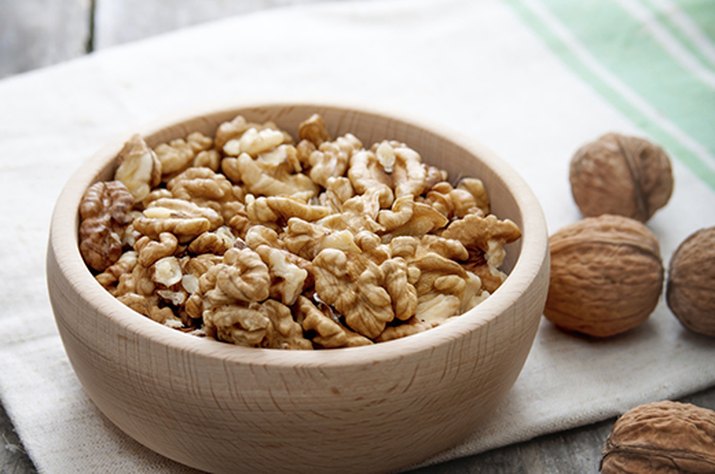
Walnuts are prized for their high omega-3 content. Omega-3 fats help with normal heart rate and blood flow, reduce the risk of death from cardiovascular disease and improve arthritis symptoms. At 2.5 grams per ounce, walnuts contain five times more omega-3 fats than pecans, which have the next highest concentration. Two tablespoons of raw walnut butter provide a similar amount of omega-3 fats. Because of the high proportion of this fragile fat, walnuts and their butter can turn rancid easily -- especially with exposure to heat and air, so store the butter in the fridge. Walnut butter has an earthy, buttery taste, but it may also have a sharp bitter note, so it's often a mixed with other nuts that lend a sweetness. RECOMMENDED BRANDS: Blue Mountain Organics Better Than Roasted Sprouted Walnut Butter, Artisana Raw Organic Walnut Butter
Related: Walnuts and 14 Other Foods to Cure the Winter Blues
3. Brazil Nut Butter
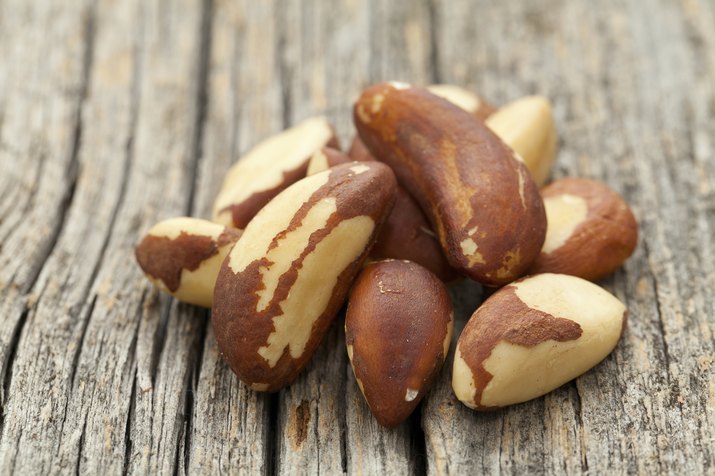
Brazil nuts are large, oval seeds of giant trees from the rainforest of Central and South America. Brazil nut butter is often made simply from organic raw Brazil nuts without any additional ingredients. The Brazil nut's claim to nutrition fame is its exceptionally high selenium content: Just one ounce of the nuts contains about 10 times the recommended daily intake. Although most people in the U.S. get adequate selenium in their diets, the mineral is so important that adding a rich source of selenium like Brazil nut butter to one's diet is certainly a nod to good health. The National Institutes of Health notes: "Because of its effects on DNA repair…and the endocrine and immune systems … including its antioxidant properties … selenium might play a role in the prevention of cancer." RECOMMENDED BRANDS: Dastony Brazil Nut Butter, EdenNuts Brazil Nut Butter and Rejuvenative Foods Fresh Raw Brazil Nut Butter
Related: 9 of the Healthiest Nuts (That May Help You Live Longer)
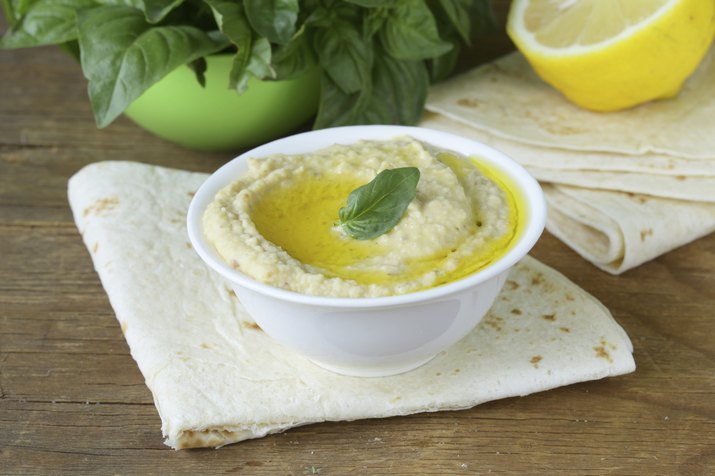
4. Tahini (Sesame Seed Butter)
Tahini is a smooth butter made from finely ground, usually toasted sesame seeds. Tahini shows up often in Middle Eastern cuisine, and when sold in grocery stores it may be labeled either "tahini" or "sesame seed butter." Unlike peanut and almond butters, which often contain sweeteners, tahini is typically free of additional ingredients, so you're unlikely to consume hidden sugar or trans fats along with it. Like most nuts and seeds, sesame seeds have a healthy distribution of fats, with more than 85 percent unsaturated and about 15 percent saturated fat. Sesame seeds also contain sesamin, a compound that inhibits absorption and increases excretion of cholesterol in the intestinal tract. A study in the journal Nutrition Research in 2005 showed a significant reduction in total and LDL cholesterol in study participants with high cholesterol who consumed about 1.5 ounces of sesame seeds as part of a their daily diet. Tahini has a relatively liquid consistency compared to other nut and seed butters and is in sauces and salad dressings that call for nutty, earthy notes. RECOMMENDED BRANDS: Arrowhead Mills Organic Sesame Tahini, Dastony Organic Sesame Seed Butter
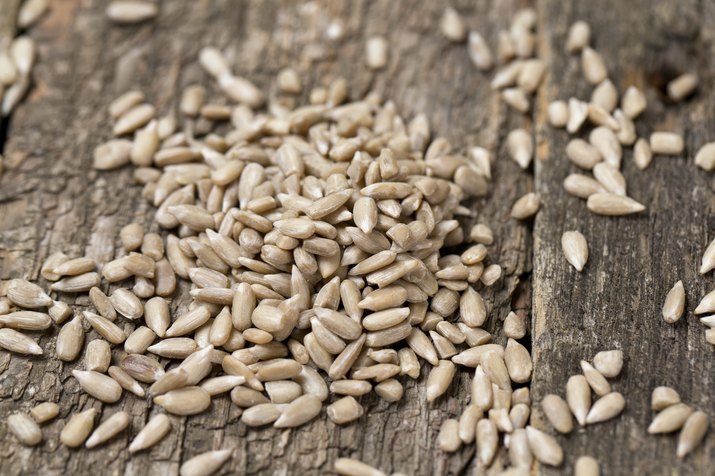
5. Sunflower Seed Butter
According to the USDA, sunflower seed butter has significantly more magnesium, phosphorous, zinc, copper, and selenium than either almond or peanut butter and is classified as an "excellent source" of these minerals. Because of this, sunflower seed butter can be an important source of nutrition for some of the more than 3 million Americans who are allergic to peanuts and/or tree nuts. It's similarly high in unsaturated fats, moderate in protein and low in sugar as are other nut and seed butters. But be careful: Sunflower seed butters sold in stores are often sweetened, and you may be consuming unwanted sugar calories if you don't read the ingredient labels carefully. Avoid products with evaporated cane juice, cane sugar or other sweeteners. RECOMMENDED BRANDS: MaraNatha All Natural Sunflower Seed Butter, Dastony Sprouted Sunflower Seed Butter.
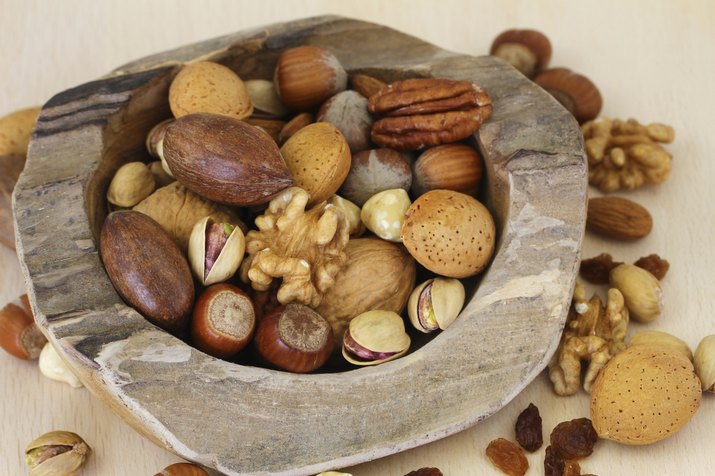
6. Mixed Nut Butters
Mixed-nut butters can be rather simple, containing just two different nuts or a mixture of three. Some mixed-nut butters contain up to seven different nuts. Mixing nuts into one product allows for the unique nutritional benefits of different nuts to show up in the same container. For instance, Brazil nuts are a good source of selenium, while almonds are high in calcium and magnesium. Mixed-nut butters rarely contain sweeteners or other added ingredients, but there's a catch: These butters are hard to come by. If your grocery store does stock them, try one of these. RECOMMENDED BRANDS: Nuttzo Seven Seed and Nut Butter, Rejuvenative Foods Raw Organic Mixed Nut Butter, Blue Mountain Organics Better Than Roasted mixed nut butters (multiple varieties)
Related: 9 of the Healthiest Nuts (That May Help You Live Longer)
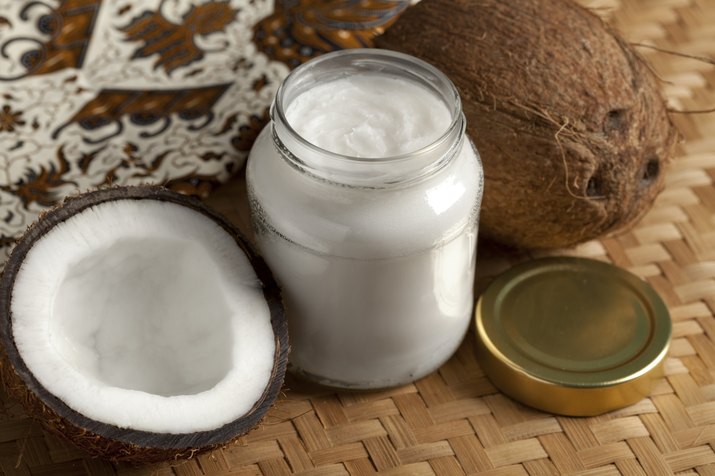
7. Coconut Butter
Coconut butter, also sometimes called coconut "manna," is a purée of mature coconut flesh. It's different than coconut oil, which is extracted from the flesh and contains no fiber. Coconut butter is beige to white in color, and its texture is smooth and creamy. Use coconut butter as a spread on toast or as a creamy ingredient in baked goods. Coconut has a high concentration of lauric acid, which, despite being a saturated fat, is thought to have antimicrobial, antiviral and antibacterial properties. Lauric acid is also a particular type of saturated fat known as a medium chain triglyceride, or MCT. A unique characteristic of MCTs is that, once consumed, they are used immediately for energy, and they can also raise both HDL and LDL cholesterol levels. But experts warn that because the fats in coconut raise both types of cholesterol, it should be eaten in moderation. RECOMMENDED BRANDS: MaraNatha All Natural Coconut Butter, Artisana Coconut Butter and Dastony Raw Organic Coconut Butter
Related: Sign Up to Receive the FREE LIVESTRONG.COM Weekly Health and Fitness Newsletter
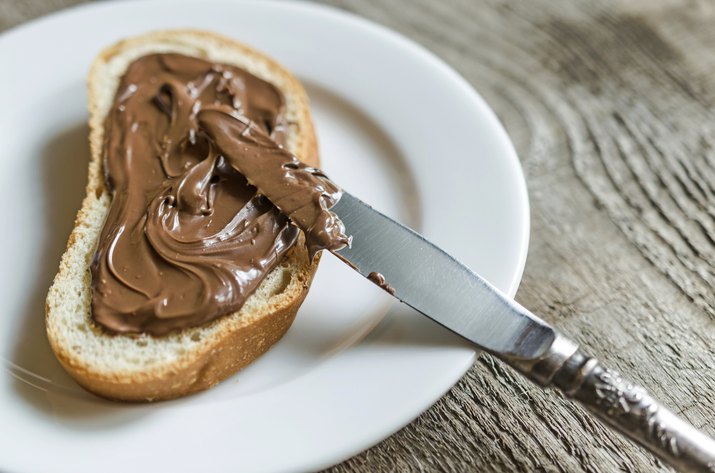
8. Flavored Almond or Peanut Butter
Both almond and peanut butter are nutritionally dense, convenient snacks. If you like flavored varieties, though, you may be asking for an added dose of "junk" along with your healthful nut butter. Most flavored nut butters contain added sugars and trans or saturated fats (partially hydrogenated, palm or palm fruit oils), as well as emulsifiers or thickeners (soy lecithin or maltodextrin) for texture. Sugar is, simply put, a source of empty calories. Trans fat is considered downright dangerous to heart health. And the addition of saturated fats to nut butters nudges their typically praiseworthy fat profiles in the wrong direction. On top of that, the production of palm (and palm fruit) oil is considered harmful to the environment. Because palm oil is ubiquitous in flavored nut butters, choose products in which the oil is derived from a sustainable source (usually stated on the label near the ingredient list). RECOMMENDED BRANDS: Nuttzo Dark Chocolate Nut and Seed Butter, Justin's Almond Butter (multiple flavors)
Related: 9 of the Healthiest Nuts (That May Help You Live Longer)
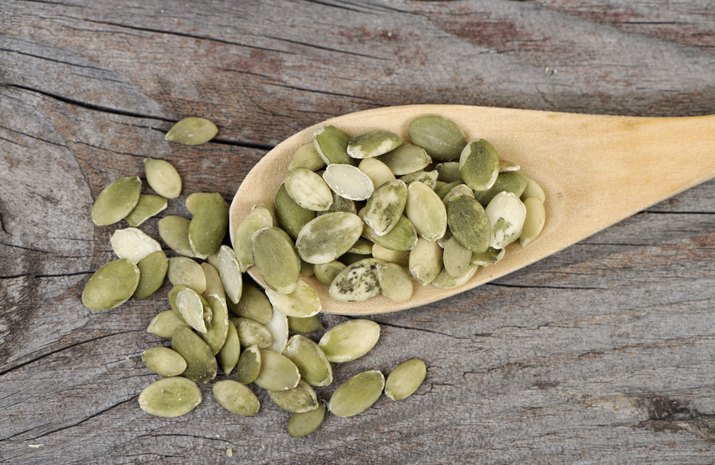
9. Pumpkin Seed Butter
Like sunflower seeds, pumpkin seeds are typically eaten whole, and we rarely think of them transformed into a butter. But if you're looking for something novel, try pumpkin seed butter as an alternative to peanut or almond butter. Pumpkin seed butter shares the same healthful fat profile as other nut and seed butters, with four-fifths of its fat content in unsaturated form. Two tablespoons of pumpkin seed butter provides more than a third of the Recommended Dietary Allowance of zinc for women and more than a fourth that for men. Zinc plays an important role in immune function, protein synthesis and cellular metabolism and because the body has no storage system for the mineral, zinc must be eaten every day. RECOMMENDED BRANDS: Blue Mountain Organics Better Than Roasted Pumpkin Seed Butter, Dastony Raw Pumpkin Seed Butter, Rejuvenative Foods Pumpkin Seed Butter
Related: Pumpkin Seeds and 14 Other Foods to Cure the Winter Blues
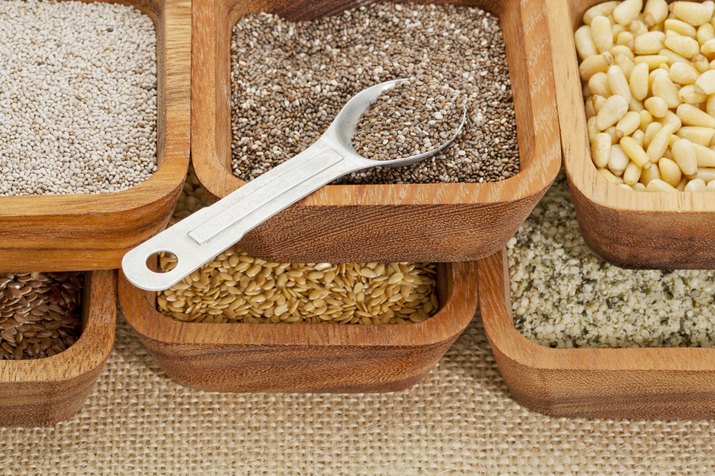
10. Nut Butters With Superfood Ingredients
If you thought the nutritionally praiseworthy nut butter couldn't get any healthier, you overlooked the superfood-spiked nut butter. Super foods (or "functional foods"), as the name implies, appear to have outstanding health benefits. According to Health Canada, "A functional food is similar in appearance to, or may be, a conventional food, is consumed as part of a usual diet, and is demonstrated to have physiological benefits and/or reduce the risk of chronic disease beyond basic nutritional functions." Examples of functional-food nut butters are flax seeds (high in omega-3s), chia seeds (high in omega-3s, fiber and protein) and coconut (high in medium-chain triglycerides, believed to have antiviral and other immune-supporting properties). But avoid brands that include sugar (or other sweeteners) or additional oils. RECOMMENDED BRANDS: Nuttzo Seven Seed and Nut Butter With Flax or Chia and Artisana Raw Superfood Acai Berry Nut Butter
Related: Sign Up to Receive the FREE LIVESTRONG.COM Weekly Health and Fitness Newsletter
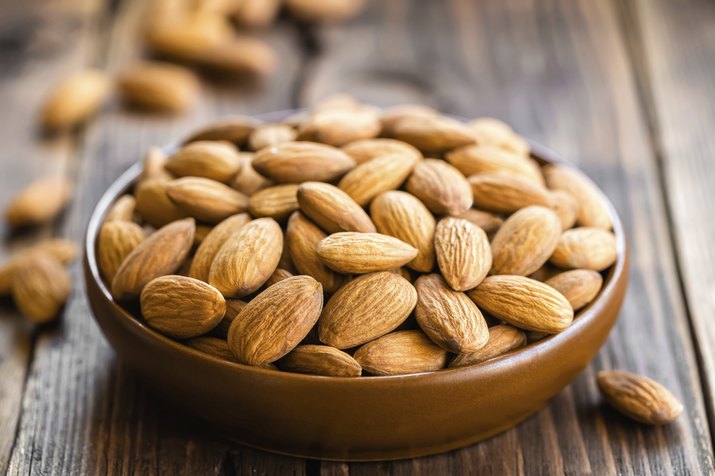
11. Almond Butter
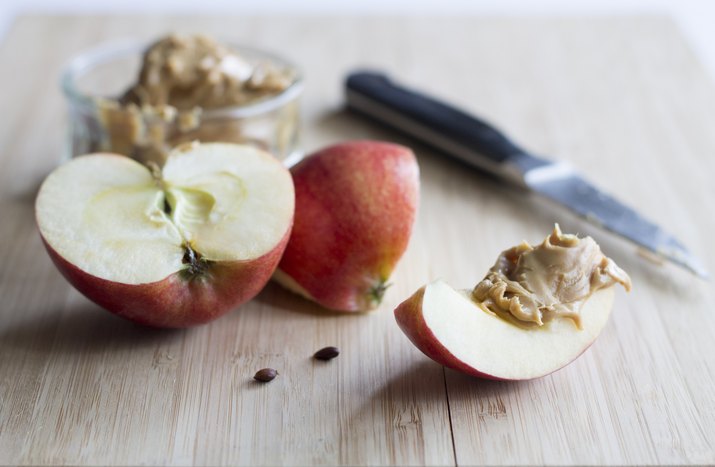
Two-thirds of almond butter's fat is in the healthful monounsaturated form, and almond butter contains about seven times the amount of calcium and about 50 percent more magnesium than peanut butter. Heather Demetra touts the nutritional benefits and convenience of the food on her blog Heather Eats Almond Butter, dedicated entirely to the nutty spread. According to Demetra, "Almond butter, a delicious alternative to peanut butter, provides our bodies with several key nutrients while also serving as a good source of protein and fat. Almond butter can be added to simple snacks such as apples slices or pretzels to make them more filling and nutrient dense, and a little goes a long way. It can also be used as a substitute for butter or oil in various baked goods, like my Maple Nut Oaties." Raw almond butter is usually free of additives, while roasted varieties can have unwanted ingredients. Look for brands that contain only almonds and salt. RECOMMENDED BRANDS: Woodstock Foods All-Natural Almond Butter, Artisana Organic Raw Almond Butter
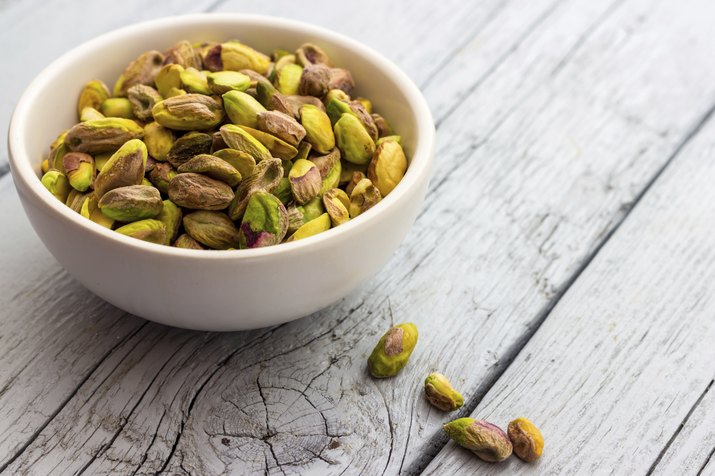
12. Pistachio Butter
Never heard of it? You're not alone. Pistachio butter is not the most common of nut butters to find on your grocery-store shelf, but you can easily buy it online and at specialty stores. Pistachios are lower in fat than most nuts (two tablespoons of pistachio butter contains 14 grams of fat as compared with 16 grams for the same amount of almond butter), which makes pistachio nut butter a bit more dense and less oily in texture than other nut butters. Pistachios also contain a good dose of copper -- just one ounce of nuts, equivalent to two tablespoons of nut butter, provides more than 40 percent of the RDA of copper. Copper is important for energy production, iron metabolism and building strong bones and connective tissues. RECOMMENDED BRANDS: Wilderness Poets Pistachio Nut Butter, Blue Mountain Organics Better Than Roasted Pistachio Butter and Rejuvenative Foods Fresh Raw Pistachio Nut Butter
13. Peanut Butter
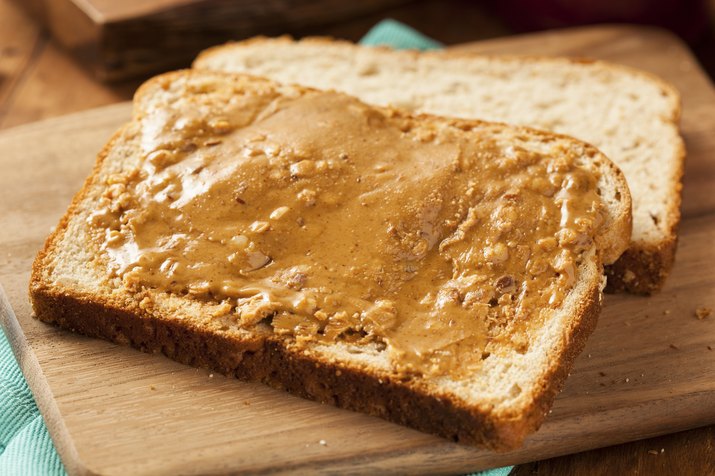
Peanut butter is probably the most familiar of all nut butters. About 80 percent of the fat in peanut butter is unsaturated, and two tablespoons contains seven grams of protein and about 180 milligrams of potassium. Unfortunately, there's tremendous variation in the quality of peanut butters sold. Look closely at the ingredient list of peanut butter products to avoid sweeteners like corn syrup and cane sugar as well as added oils -- especially "partially hydrogenated oil," which is a source of trans fats. Trans fats are used to extend the shelf life of processed foods, but they're strongly linked to heart disease, and experts agree they should be avoided. Look for peanut butters that contain peanuts and salt (if you prefer the salted varieties) and nothing more. Lastly, steer clear of reduced-fat peanut butters, which are highly likely to contain additives. RECOMMENDED BRANDS: Smucker's Natural Peanut Butter, Arrowhead Mills Organic Peanut Butter, Laura Scudder's All Natural Peanut Butter
Related: 9 of the Healthiest Nuts (That May Help You Live Longer)
The Proof Is in the Butter
By now you're probably convinced of the health benefits of eating nut and seed butters. Harvard School of Public Health Nutrition Source notes that the results of several large studies over the past few years "have shown a consistent 30 to 50 percent lower risk of heart attack, sudden cardiac death or cardiovascular disease associated with eating nuts several times a week." In fact, nuts have been granted one of just a handful of qualified health claims from the Food and Drug Administration, which allows some nuts and foods made with them to carry the statement: 'Eating a diet that includes one ounce of nuts daily can reduce your risk of heart disease.'"
Related: 14 Foods to Help You Get Lean

What Do YOU Think?
Are nut butters a welcomed alternative to whole nuts? Did you know there were so many varieties? Which nut butters do you eat? Which will you try next? Share your thoughts in the comments below.
Related: 14 Protein-Packed Breakfasts to Power You Through the Morning
Video of the Day
Advertisement
Video of the Day
- Peanut Butter: Full Report (All Nutrients): 16098, Peanut butter, smooth style, with salt
- Almond Butter: Full Report (All Nutrients): 12195, Nuts, almond butter, plain, without salt added
- Cashew Butter: Full Report (All Nutrients): 12088, Nuts, cashew butter, plain, without salt added
- Sunflower Seed Butter: Full Report (All Nutrients): 12040, Seeds, sunflower seed butter, without salt
- Tahini (Sesame Seed Butter): Full Report (All Nutrients): 12171, Seeds, sesame butter, tahini, from unroasted kernels (non-chemically removed seed coat)
- USDA Nutrient Database: Brazil Nuts
- Selenium Fact Sheet for Health Professionals, National Institutes of Health Office of Dietary Supplements
- USDA Database for pistachios
- USDA Database
- Chen PR, Chien KL, Su TC, et al. Dietary sesame reduces serum cholesterol and enhances antioxidant capacity in hypercholesterolemia. Nutr Res. 2005;25:559-567.
- Omega 3 Fatty Acids and Health Fact Sheet for Professionals, National Institutes of Health Office of Dietary Supplements
- USDA Database for walnuts
- USDA Nutrient Database: Almonds
- USDA Nutrient Database: Pistachios
- USDA Nutrient Database: Peanuts