
You've heard that "eating the rainbow" is good for your health, but do you know why? For one, colorful produce contains special compounds called flavonoids, which are plant-based nutrients that offer plenty of health benefits from reducing inflammation to slashing your risk of certain diseases.
Flavonoids are antioxidants that play a significant role in heart health and are linked to lower rates of diseases caused by free-radical damage, such as cancer.
Video of the Day
Video of the Day
In an August 2019 study in Nature, researchers found that regularly eating foods rich in flavonoids was associated with a reduced risk of developing heart disease and cancer. That association was even stronger among people who smoked or drank large amounts of alcohol — two groups that tend to have higher levels of inflammation.
There are seven flavonoid subgroups: flavonols, flavanols, flavones, isoflavones, flavanones, chalcones and anthocyanins, according to a December 2016 study in the Journal of Nutritional Science. Here's what each type of flavonoid can do for your body.
1. Flavonols
Flavonols are the largest and most well-known subgroup of flavonoids. Flavonols, especially quercetin, have been studied extensively for their role as an antioxidant.
Oxidative damage to the body is responsible for neurodegenerative diseases like Alzheimer's and Parkinson's and many cancers, and flavonols can help protect the body against this type of damage, according to an extensive July 2016 review study in Pharmacognosy Review. What's more, people who enjoyed more foods with flavonols (like the ones below) were observed to have lower risks of developing Alzheimer's disease years later, per a January 2020 study in Neurology.
Foods Rich in Flavonols
- Berries
- Tomatoes
- Onions
- Kale
- Apples
- Cherries
- Broccoli
- Grapes
- Red wine
- Green tea
2. Flavanols
Flavanols are also known as catechins, which are antioxidant-like compounds found in green tea among other foods. They're associated with a significantly lower systolic and diastolic blood pressure levels, suggesting flavanols are heart-protective, according to an October 2020 study in Scientific Reports.
Foods Rich in Flavanols
- Apples
- Grapes
- Pears
- Tea
- Red wine
- Cocoa/chocolate
3. Flavones
One of the major health benefits from flavones is their anti-inflammatory effects, according to a June 2016 study in Plants. Inflammation is usually the common thread between many chronic conditions, such as obesity, diabetes and cancer as well as in people who smoke.
"Some research suggests that certain flavonoids (flavones and flavonols) are beneficial for reducing the risk of breast cancer," Cathy Leman, RD and founder of Dam. Mad. About Breast Cancer, tells LIVESTRONG.com.
Foods Rich in Flavones
- Celery
- Broccoli
- Green pepper
- Carrots
- Olive oil
- Navel oranges
- Parsley
- Thyme
- Oregano
- Dandelion
- Peppermint
- Rosemary
- Chamomile tea
4. Isoflavones
The king of all plant proteins is the soybean, which is high in catechins and a particular type of flavonoid called isoflavones. Isoflavones have a mixed reputation because of their similarity in structure to estrogens, but isoflavones have been observed to block estrogens that can cause breast cancer, cervical cancer and prostate cancer, according to June 2016 research published in Nutrients.
Countries with a high intake of isoflavone-rich foods typically have lower rates of these types of cancer. Isoflavones are found in legumes and other common soy foods, such as miso and tofu.
Foods Rich in Isoflavones
- Soybeans (and soy products such as tofu)
- Alfalfa sprouts
- Peanuts
- Legumes
5. Flavanones
Flavanones are found in citrus fruits, in the juice and in the peel — and yes, you can eat the peel. The flavanones are responsible for that bitter taste, which most people stay away from. Flavanones are antioxidants and anti-inflammatory, and they have been shown to lower cholesterol.
Hesperidin, the most common flavanone found in lemons, oranges and grapefruit, is currently being studied for its possible role in helping protect against neurodegenerative diseases, such as Alzheimer's, Huntington's, Parkinson's Disease and multiple sclerosis, according to February 2019 research in Molecules.
Foods Rich in Flavanones
- Grapes
- Oranges
- Lemon
- Lime
6. Chalcones
The word chalcone comes from the Greek word "chalco," which means copper, and is an indicator of the color of some of the natural sources of this flavonoid. As with many of the other subclasses of flavonoids, chalcones are studied because of their potential to stop the development of cancer, according to a 2015 study in Current Medicinal Chemistry.
Foods Rich in Chalcones
- Wheat products
- Licorice
- Shallots
- Potatoes
- Tomatoes
- Pears
- Strawberries
7. Anthocyanins
Anthocyanins are the actual pigments in red-orange to blue-violet plant foods and are linked to heart health, brain health, vision improvement, antidiabetic and antiobesity properties, anti-inflammatory effects and chemoprevention and cancer protection, according to September 2015 research in Advances in Nutrition and an August 2017 review in Food and Nutrition Research.
Foods Rich in Anthocyanins
- Berries
- Grapes
- Red wine
- Sweet potatoes
- Plums
- Cherries
Warning
There are some fruits and vegetables that can interact with medications, so if you regularly take medication, speak with your doctor to find out which foods you should avoid. For example, grapefruit, which is high in flavonoids, should be avoided if you take certain statins. In addition, foods high in vitamin K, such as flavonoid-rich leafy greens, may interact with blood-thinning medication warfarin.
How to Get More Flavonoids in Your Diet
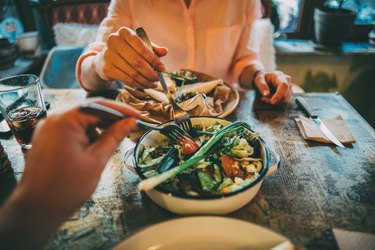
Ready to reap flavonoids' multitude of health benefits? "If you want to increase flavonoids in your diet, eat an abundance and variety of vegetables and fruits and aim for at least 3 daily cups of vegetables and 2 cups of fruit a day, varying the colors to vary the micronutrients," Hayden James, RD and founder of Satiate Nutrition, tells LIVESTRONG.com.
"Put more plants on your plate! Build meals and snacks around fruits, vegetables, whole [unprocessed] soy, legumes and whole grains," says Leman.
Get creative with it: Zest citrus peels into your favorite foods or blend an array of fruits into your morning smoothie to get more flavonoids in your diet.
- Journal of Nutritional Science: "Flavonoids: An Overview"
- Nutrients: "Isoflavones: Anti-Inflammatory Benefit and Possible Caveats"
- Plants: "Flavones: From Biosynthesis to Health Benefits"
- Pharmacognosy Review: "Overviews of Biological Importance of Quercetin: A Bioactive Flavonoid"
- Nature: "Flavonoid Intake is Associated With Lower Mortality in the Danish Diet Cancer and Health Cohort"
- Molecules: "Hesperidin as a Neuroprotective Agent: A Review of Animal and Clinical Evidence"
- Advances in Nutrition: "Anthocyanins"
- Food and Nutrition Research: "Anthocyanidins and Anthocyanins: Colored Pigments as Food, Pharmaceutical Ingredients, and the Potential Health Benefits"
- Current Medicinal Chemistry: "Chalcones as Promising Lead Compounds on Cancer Therapy"
- Neurology: "Dietary flavonols and risk of Alzheimer dementia"
- Scientific Reports: "Biomarker-estimated flavan-3-ol intake is associated with lower blood pressure in cross-sectional analysis in EPIC Norfolk"
- NIH, PubMed: Flavonoids in Food and their Health Benefits