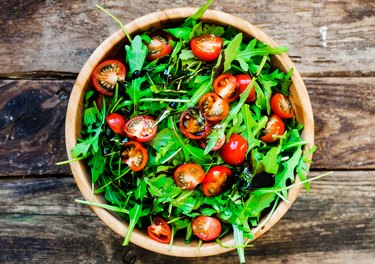
A no-sugar, no-bread, no-meat and no-dairy diet may have some benefits because it involves avoiding some foods tied to weight gain, such as sugar and bread, along with foods linked to chronic disease, such as meat. Yet its healthfulness depends on whether it includes enough nutritious foods.
Tip
If you're thinking of going on this type of diet temporarily for weight loss, be aware that a balanced diet with a wide variety of nutrient-dense foods is a better approach to long-term weight management.
Video of the Day
What Foods Are Included?
The no-bread, no-dairy, no-meat and no-sugar diet doesn't have beef, pork, cheese, yogurt and milk. It also excludes sugary beverages and foods such as soda, juice drinks, pies, cakes, cookies, donuts and pastries. A host of foods that contain added white sugar, brown sugar and high-fructose corn syrup are also taboo.
Video of the Day
When you remove these foods from the diet, what's left to eat? The main foods remaining are fruits, vegetables, beans, nuts and seeds, all of which are nutrition-dense and comprise a vegan diet.
The inclusion of some additional foods would make it one of the vegetarian eating plans. Eating eggs would make it an ovo-vegetarian diet, and eating fish would make it a pesco-vegetarian eating plan. Adding chicken or turkey would make it a pollo-vegetarian diet.
A no-bread diet may be either healthy or unhealthy, depending on what other choices from the grains food group are included or excluded. If the no-bread diet also involves eliminating white pasta, white rice and crackers made of white flour, it would pose a health advantage. Harvard Health Publishing says such foods are highly processed and nutrient-depleted and that they cause sugar spikes that increase hunger and lead to overeating.
Conversely, adding whole grains to the diet promotes weight loss and wellness because they're rich in fiber and other nutrients. These foods include brown rice, millet, barley, bulgur, oats and bread made of 100 percent whole-wheat flour or 100 percent whole-grain flour.
What About Coffee?
Individuals on the no-meat, no-sugar, no-bread and no-dairy diet should avoid adding milk or cream to their coffee. However, they can lighten coffee with nondairy alternatives such as soy milk, almond milk, cashew milk or macadamia nut milk.
It's also possible for those on the no-sugar diet to sweeten their coffee, but the Cleveland Clinic says artificial sweeteners aren't the way to go as the chemicals in artificial sweeteners may be associated with increased fat storage, adverse changes in gut bacteria and a heightened risk of glucose intolerance, which can lead to prediabetes or diabetes. Instead, sweeten coffee with a little raw honey or pure maple syrup, which contain antioxidants and other nutrients.
No-Meat Diet Health Effects
According to the Mayo Clinic, vegetarians generally consume fewer calories and eat less fat. They also have a healthier weight and a lower likelihood of cardiovascular disease than meat eaters.
The benefits don't stop there, says the Mayo Clinic. Studies show that people who eat red meat and processed meat have a higher incidence of death from stroke and diabetes. In light of research findings, reducing or eliminating meat intake can have positive health effects.
Just as what you eat can harm wellness, what you don't eat can also have an adverse effect. Studies indicate that diets low in fruits, vegetables, nuts, seeds and seafood are associated with an elevated risk of death, adds the Mayo Clinic.
The United States Department of Agriculture advises eating a variety of proteins. Vegetarian sources include beans, peas, nuts, seeds and soy products. It's also beneficial to eat at least 8 ounces of fish per week.
No-Dairy Diet Health Effects
Harvard Health Publishing acknowledges that research on the positives versus the negatives of dairy foods is conflicting. While these dietary elements might have some not-so-healthy effects, they provide an easy way to get the needed amount of vitamin D, calcium and protein.
The types of dairy foods eaten may make a difference. A study published in the British Journal of Nutrition in December 2018 found that fermented dairy foods, such as cheese and yogurt, may be much healthier than nonfermented dairy products like milk. People who ate the most fermented dairy foods had a 27 percent lower risk of cardiovascular disease, but those who ate the most nonfermented dairy products had a 52 percent higher risk.
The most consistent research on dairy foods deals with yogurt, which contains probiotics and is tied to various health benefits, states the Arthritis Foundation. Studies link yogurt with reduced inflammation and decreased insulin resistance, an effect that may help prevent Type 2 diabetes.
An August 2017 investigation featured in Critical Reviews in Food Science and Nutrition examined 52 clinical trials that studied inflammation markers linked to dairy food consumption. The authors discovered that dairy foods generally are anti-inflammatory except in individuals who are allergic to cow's milk.
Plant-Based Diet Weight Loss
An investigation published in the Journal of Geriatric Cardiology in May 2017 reviewed clinical trials and observational studies to determine the effects of plant-based diets on weight. Plant-based diets offer a higher level of food quality than other therapeutic approaches for weight loss and obesity, the authors said. The evidence showed that these diets are a viable option for preventing and treating overweight conditions and obesity.
The Physicians Committee for Responsible Medicine asserts that plant-based diets promote sustained weight management because they're plentiful in fiber, which satisfies the appetite without adding calories. Try to get 40 grams of fiber in the diet per day. This goal is easy to reach when fruits, vegetables, beans and whole grains comprise most of the eating plan.
Read more: A Vegetarian Diet for Beginners
Unquestionably, a plant-based diet is beneficial for weight loss. The Mayo Clinic offers several strategies for adopting this eating plan:
- Avoid failure by gradually easing into the diet. Don't worry about counting calories with fruits and vegetables. You can eat an unlimited amount. Begin with modest changes such as adding a piece of fruit or a second serving of a vegetable to a meal. Once this becomes routine, add a third serving, such as a salad, into your daily diet.
- Vary your means of meal preparation to prevent boredom. In addition to salads, make vegetable soups and smoothies. Experiment with different cooking methods like sauteing, roasting or steaming.
- Look for creative ways to include plant foods in the diet. For example, toss berries or a sliced banana into oatmeal or a whole-grain cereal. Add extra vegetables to casseroles.
- Harvard Health Publishing: "The Right Plant-Based Diet for You"
- Cleveland Clinic: "5 Best and Worst Sweeteners: Your Dietitians’ Picks"
- Mayo Clinic: "Meatless Meals: The Benefits of Eating Less Meat"
- United States Department of Agriculture: ChooseMyPlate.gov: "All About the Protein Foods Group"
- Harvard Health Publishing: "Dairy: Health Food or Health Risk?"
- British Journal of Nutrition: "Intake of Fermented and Non-Fermented Dairy Products and Risk of Incident CHD: The Kuopio Ischaemic Heart Disease Risk Factor Study"
- Arthritis Foundation: "Dairy: Arthritis Friend or Foe?"
- Critical Reviews in Food Science and Nutrition: "Dairy Products and Inflammation: A Review of the Clinical Evidence"
- Journal of Geriatric Cardiology: "A Plant-Based Diet for Overweight and Obesity Prevention and Treatment"
- Physicians Committee for Responsible Medicine: "Reach a Healthy Weight With a Plant-Based Diet"
- Mayo Clinic: "The Power of a Plant-Based Diet for Heart Health"