
16 Diet-Friendly Healthful Carbs
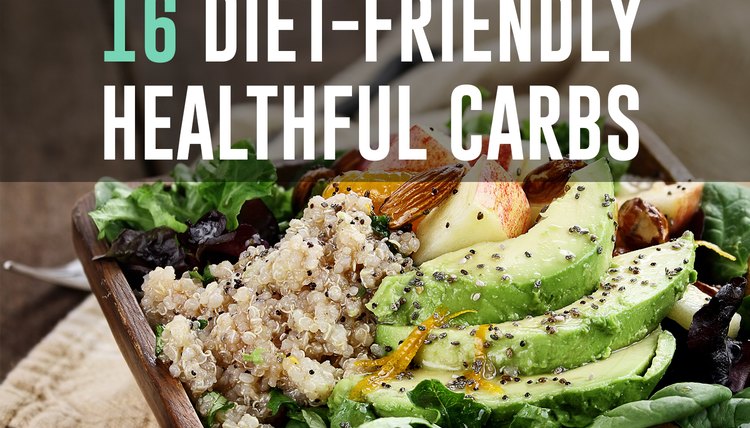
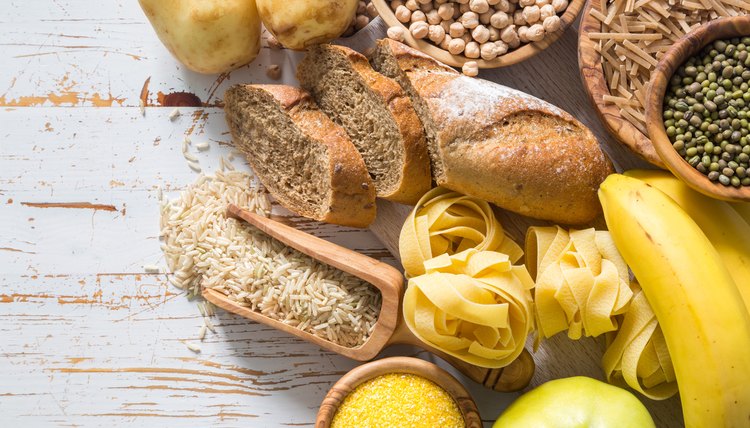
Looking for boosted energy, mental sharpness, workout efficiency and/or weight control? Adding healthy carbs to your diet (in moderation) could help you achieve those goals. These nutritious carbohydrates contain fiber, which your digestive system works to break down before they can be absorbed. As a result, they help keep your energy, blood sugar, moods and appetite levels in check between meals. About 50 to 60 percent of your total daily calories should consist of carbohydrates, according to the National Library of Medicine. Keep reading for a list of 16 healthful carbs that you may want to include in your diet.
1. Whole Grain Rice
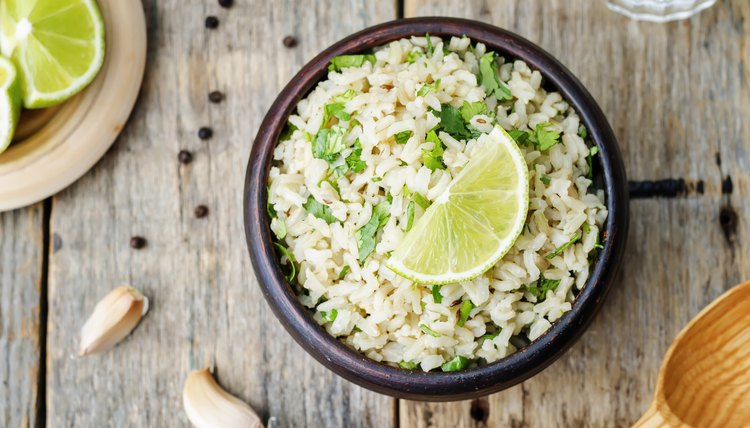
Lowering your risk for type 2 diabetes may be as simple as swapping out white rice for brown. In a 2010 study from the Archives of Internal Medicine, researchers analyzed the diets, lifestyle habits and overall health of nearly 200,000 adults. Participants who ate two or more servings of brown rice per week were less likely to have diabetes risk factors compared to white rice eaters. Unlike white rice, which is stripped of valuable nutrients during processing, brown rice is a whole grain. As a rule, whole grains provide more nutrients, satiation and wellness benefits than refined grains. When given a choice, select brown, black or wild rice, instead of white rice or instant brown rice.
Adobe Stock/Stephanie Frey
2. Popcorn
Eating better doesn’t require you to permanently give up crunchy snacks, particularly if you enjoy popcorn. In a 2011 study in the Federation of American Societies for Experimental Biology Journal, 111 adults ate their typical diets for three months, with or without 100 calories of 94-percent fat-free popcorn per day. Participants who ate popcorn showed significant reductions in overall dietary fat and saturated fat intake and increases in fiber intake. Popcorn provides a nutritious, whole-grain alternative to low-nutrient processed foods like potato chips and pretzels. So the next time you're itching for something crunchy, go ahead and grab some air-popped popcorn with a dash of salt.

Adobe Stock/Stephanie Frey
3. Squash
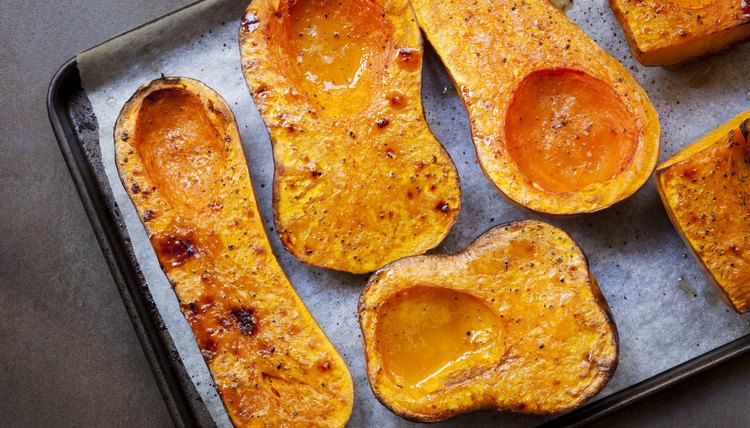
Squash probably isn't the first food that comes to mind when you think about fiber, but eating more squash provides a simple way to increase your fiber intake all year long, says registered dietitian Sharon Palmer. Fiber has a wide range of health benefits, from helping you maintain a healthy digestive system to aiding in the prevention of heart disease. Palmer recommends using squash in soups, stews, casseroles and side dishes. One cup of cooked acorn squash provides 9 grams of fiber (the recommended daily intake is 25 grams for women and 38 for men). Other varieties high in fiber are hubbard squash and summer scallop or patty pan squash.
Adobe Stock/Stephanie Frey
4. Quinoa
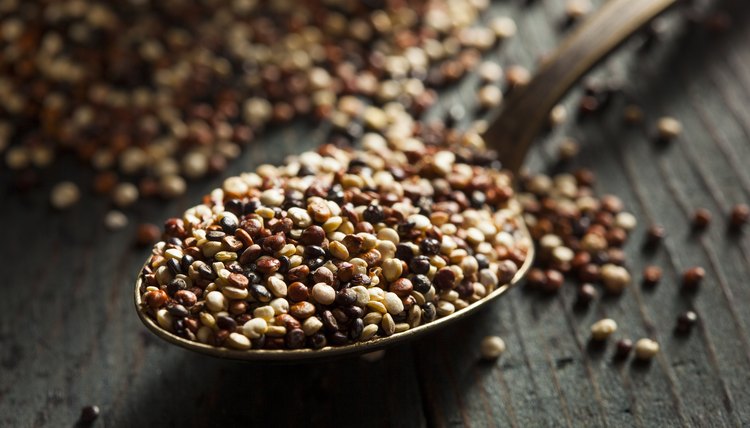
Quinoa is a pseudo-grain, meaning that while it’s consumed as a grain, it's actually a seed with a unique nutritional profile. “Pseudo-grains like quinoa are higher in protein, offer higher concentrations of vitamins and minerals like iron and B vitamins and are a naturally gluten-free grain alternative,” says Colleen Hurley, a registered dietitian in the California Bay Area. Gluten-free foods are important if you have celiac disease or a gluten intolerance. A 2/3-cup serving of cooked quinoa provides about 5.5 grams of protein and 3.5 grams of fiber. Plus, quinoa only requires about 20 minutes of cooking time and can be used in place of rice or couscous in most any dish.
Adobe Stock/Stephanie Frey
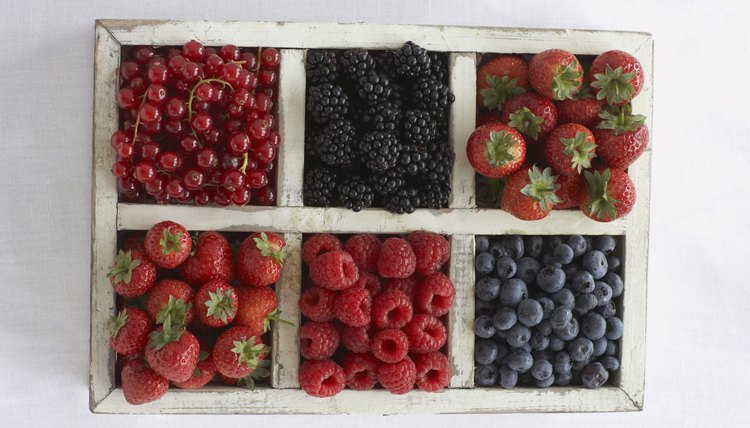
5. Berries
“Fruit not only offers nature’s finest carbohydrates, complete with a good source fiber, but also thousands of potent, health protective antioxidants and phytonutrients,” says registered dietitian Colleen Hurley. Berries are particularly high in these nutrients and are considered brain food. According to a Harvard study, blueberries and strawberries help preserve brain function in women and delay memory decline by two and a half years. Enjoy berries solo or as a healthy add-in to your smoothies, whole-grain pancakes and even salads. When buying frozen berries, select varieties without added sweetener. Berries are sweet enough on their own, and excessive sugar intake can lead to undesirable weight gain and blood sugar imbalances.
Adobe Stock/Stephanie Frey
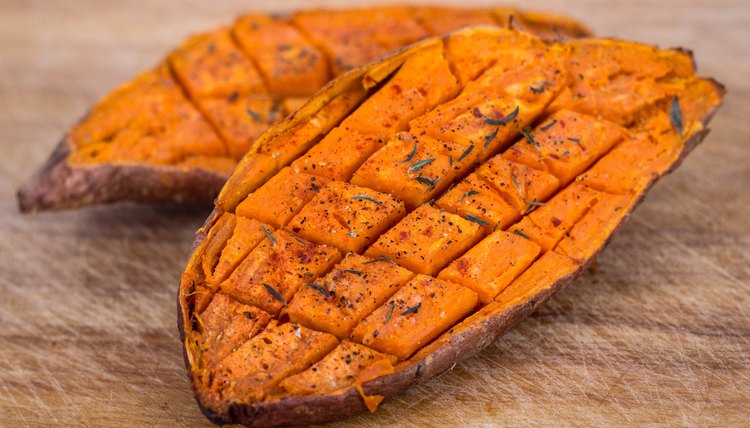
6. Sweet Potatoes
The orange hue of sweet potatoes brings some color to your plate. The compound that provides the starchy vegetable’s pigment also provides the antioxidant beta-carotene, which your body converts into vitamin A. Vitamin A may help reduce the risk for certain cancers, according to the Mayo Clinic and may also help slow the aging process. Sweet potatoes also provide rich amounts of vitamin C, which plays an important role in immune function, and valuable amounts of heart-healthy fiber. Half of a large sweet potato contains a mere 81 calories, which is way less than most sugary sweets. Enjoy sweet potatoes baked and topped with olive oil and spices. Or add it to soups, stews and curries.
Adobe Stock/Stephanie Frey
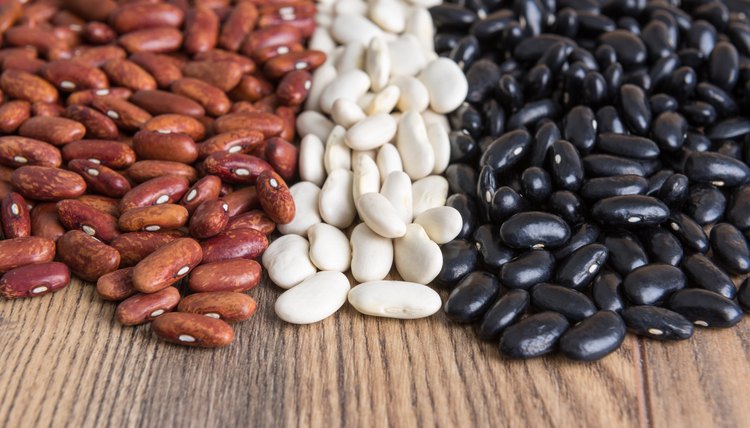
7. Beans
Beans really are a magical legume, but not for the reasons you might imagine. “These tiny dynamos are good for your heart,” says registered dietitian Colleen Hurley. “The slow-digesting insoluble fiber abundant in beans can help lower cholesterol, keep blood sugars stable and help reduce the risk of heart disease and certain types of cancer.” One cup of cooked white, navy or adzuki beans provides a whopping 19 grams of fiber. Lima, pinto and kidney beans each provide 16 grams of fiber per cooked cup. They’re also rich in protein and antioxidants and low in fat. If you're concerned about bloating and gas, gradually incorporate beans into an otherwise low-fiber diet. Soaking them in water overnight also helps.
Adobe Stock/Stephanie Frey
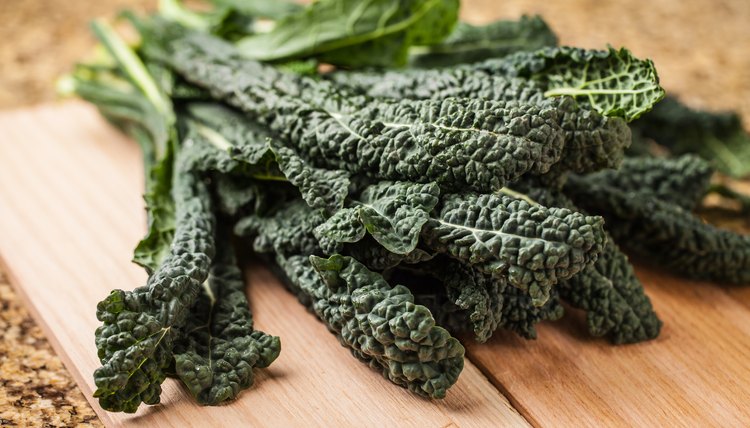
8. Dark, Leafy Greens
There are more than 1,000 types of plants with edible leaves, according to “Today’s Dietitian,” but you won’t need to eat many types to reap the wellness benefits. Dark, leafy greens are prime sources of beta-carotene and valuable sources of vitamins and minerals, such as vitamin C, vitamin K and iron. One cup of cooked turnip greens, mustard greens or collard greens provides 5 grams of fiber. Cooked spinach, beet greens and Swiss chard each provide 4 grams of fiber per cup. Fresh greens also make simple additions to salads, curries and casseroles. If you don’t enjoy the flavor or texture, try blending them into a smoothie along with fruits like berries or bananas.
Adobe Stock/Stephanie Frey
9. Oats
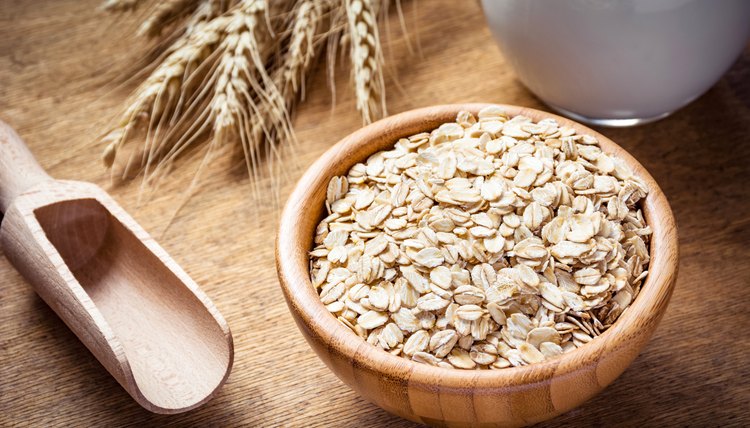
Oats will forever have a place in the health food hall of fame, as they were the first food to have a label showing an FDA health claim. In January 1997, the labels said that oatmeal may reduce the risk of heart disease, when combined with a low-fat diet. Oats have been linked with improved cholesterol levels, body weight and blood pressure. And as a fiber-rich food, oats have the added benefit of being quite filling. A bowl of steel cut oats for breakfast is sure to keep you full all the way until lunch. To make oatmeal even healthier, use low-fat milk or water instead of whole milk, and top it with fresh fruit.
Adobe Stock/Stephanie Frey
10. Flaxseed
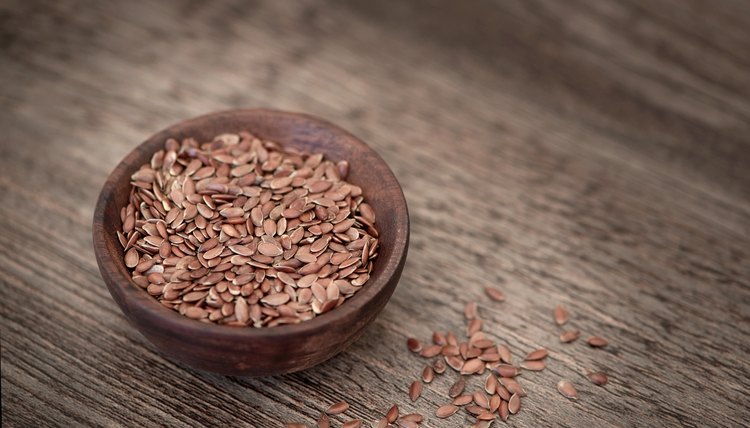
Flaxseed has been used since ancient times and for good reason! Flaxseed contains rich amounts of fiber and a gummy material called mucilage -- which helps in the digestive process -- and are the top plant source of omega-3 fatty acids. Omega-3s play an important role in heart health and brain function and may help reduce menopausal symptoms, such as mood swings and hot flashes. To reap these benefits, add ground flaxseeds to smoothies, yogurt, cereals and baked goods. You can find flaxseed in most health food stores in various forms, such as oil and capsules. The University of Maryland Medical Center recommends keeping flaxseed oil refrigerated and using whole flaxseeds within 24 hours of grinding them.
Adobe Stock/Stephanie Frey
11. Mangos
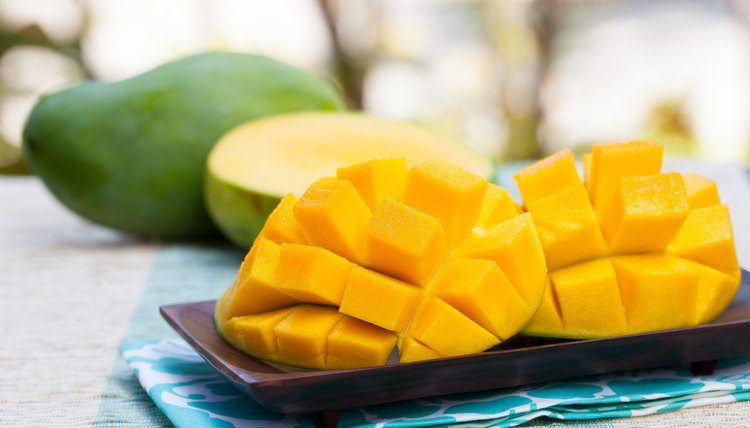
With about 135 calories per fruit, mangos are high in fiber (containing nearly 4 grams of fiber per average-size fruit) and antioxidants (including vitamin C and beta-carotene). And if that isn’t enough to convince you to add them to your diet, mangos are a cancer-fighting fruit. In a 2010 study published in the Journal of Agriculture and Food Chemistry, researchers observed the effects of mango extracts on noncancerous cells and cells associated with colon, prostate and breast cancer. They found that the extracts helped the healthy cells stay cancer free and reduced the growth of cancer cells. The Haden and Ataulfo varieties showed particularly strong benefits.
Adobe Stock/Stephanie Frey
12. Barley
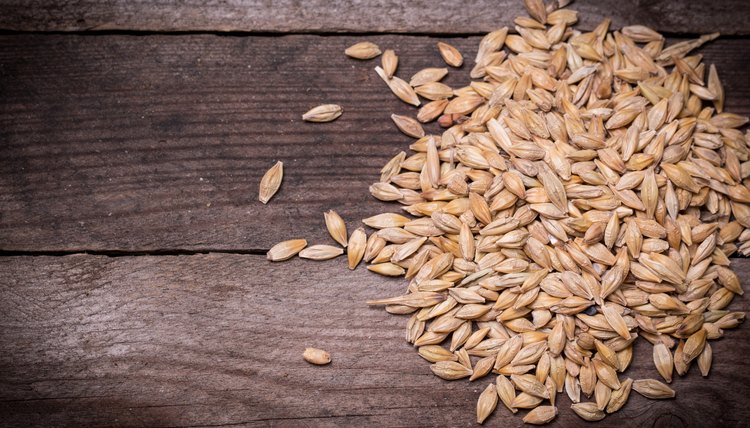
Barley is an overlooked grain with profound health benefits, according to Nicholas Perricone, M.D., a board-certified dermatologist and nutritionist. The low-glycemic whole grain that looks like tiny rice is quite filling and contains large amounts of vitamin E, niacin and soluble fiber. Soluble fiber improves digestion and helps the body better metabolize carbohydrates, cholesterol and fats. To prepare barley, rinse it and boil it in water until it's soft. Once drained, add to soups, casseroles and salads. Or enjoy it as a hot breakfast cereal.
Adobe Stock/Stephanie Frey
13. Whole Grain Pasta
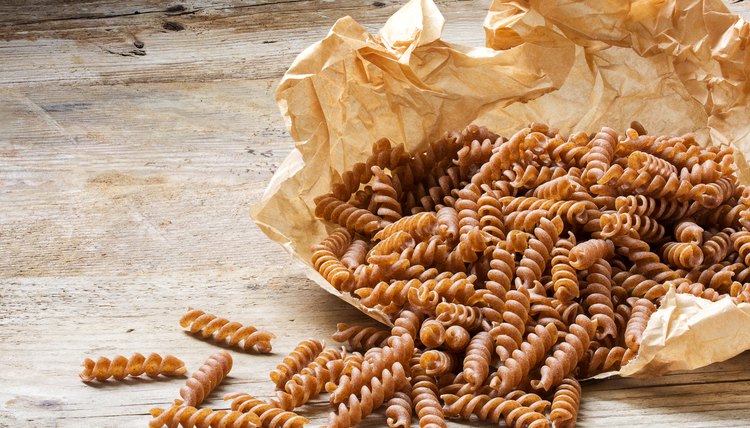
Did you know that the average American consumes 20 pounds of pasta noodles each year? This isn’t problematic, unless you choose the “refined white stuff,” says Joy Bauer, a registered dietitian in New York City. Whole grain pasta contains all nutritious parts of the original grain, making it a valuable source of B vitamins, iron, protein and fiber. One cup of cooked whole wheat spaghetti provides 6 grams of fiber and 7 grams of protein. To make sure that you get truly whole wheat pasta, choose pastas labeled 100-percent whole grain, or choose pastas that list whole grains, such as whole wheat, spelt or brown rice, as the top ingredient.
Adobe Stock/Stephanie Frey
14. Tomato Sauce
Tomato sauce may not be what springs to mind when you think about healthful carbs, but it’s a highly nutritious source of fiber, vitamin C and lycopene. Lycopene, a potent antioxidant, is linked with a reduced risk for prostate and breast cancer. Red fruits and vegetables are also prime sources of flavonoids, which reduce inflammation, according to registered dietitian Susan Bowerman. Tomato sauce ups the nutritional power of many healthy dishes, including whole wheat pasta dishes and veggie pizza prepared with a whole grain crust. To keep your sodium intake in check, look for “no salt added” or “reduced sodium” labels on tomato sauce packaging.

Adobe Stock/Stephanie Frey
15. Artichokes
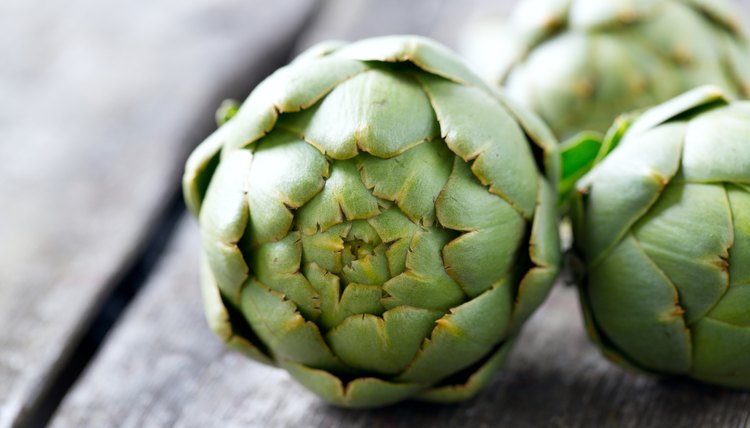
Artichokes are more than just unusually-shaped, fun-to-eat foods. One medium-size artichoke provides more than 10 grams of fiber, plus potassium, folate, magnesium and vitamin C. Because sweating and dehydration lower potassium levels, potassium-rich foods are particularly important in hot weather and following heavy exercise. The Academy of Nutrition and Dietetics recommends buying artichokes that have tight leaves and a dark green color. Store them in a plastic bag in your refrigerator for up to three days and wash them before cooking. If preparing fresh artichokes seems a bit intimidating or time consuming, add frozen or water-packed canned artichokes to your salads and pasta dishes.
Adobe Stock/Stephanie Frey
16. Bananas
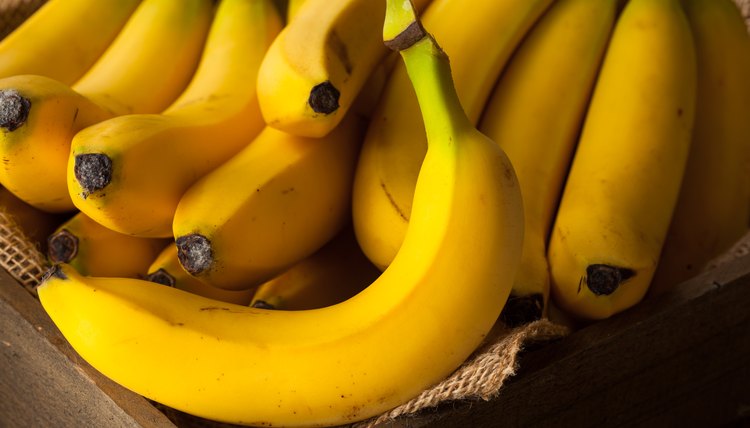
Bananas are so nutritious that registered dietitian Tara Gidus considers them a superfood. They’re naturally devoid of fat and cholesterol and a valuable source of vitamins B6 and C, manganese, potassium and fiber. The electrolytes in bananas, including potassium, guard against dehydration. The 3 grams of fiber contained per serving promotes fullness, making it a useful between meal snack. “In my opinion, everyone should eat at least one banana every day, especially athletes or active people, and anyone with high blood pressure,” says Gidus. For a treat, she suggests grilling bananas, peel on, for five minutes per side. The peel will blacken, but the insides turn into caramelized goodness.
Adobe Stock/Stephanie Frey
What Do YOU Think?
Are you on a low-carb diet? Or are you watching your carb intake? How many of these carbs do you already incorporate into your diet? Which of these were you surprised to find make the list? Are there any others that you would add to the list? Share your thoughts, suggestions and questions in the comments below!
Adobe Stock/Stephanie Frey
References
Resources
Writer Bio
August McLaughlin is a health and sexuality writer, podcast host and author of “Girl Boner: The Good Girl’s Guide to Sexual Empowerment” (Amberjack Publishing, 2018). Her articles appear in DAME Magazine, Cosmopolitan.com, the Huffington Post and more, and she loves connecting with readers through her blog and social media. augustmclaughlin.com