
How to Properly Rest and Recover Strained Chest Muscles
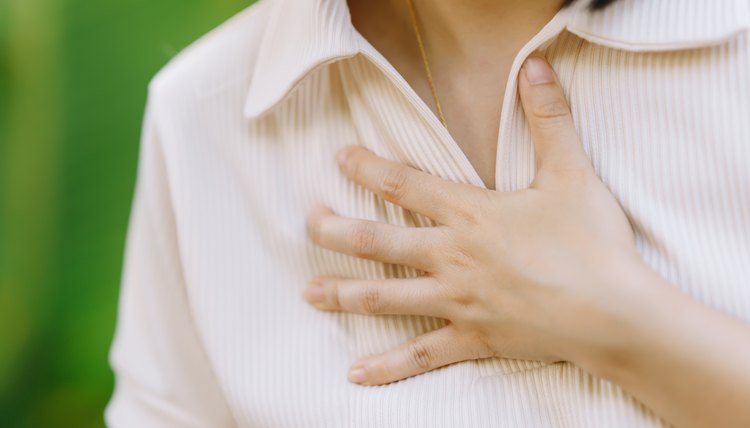
Strained chest muscles are difficult to diagnose and treat. Whenever you receive a chest injury or have some kind of chest pain, it is often challenging to determine exactly what is wrong, especially since fractures are hard to see on X-rays.
Even if a diagnosis is made for strained chest muscles, recovering the affected area is not going to be easy. Until you have even a slight, minor injury, you don't realize that almost every activity you do during a day involves using chest muscles; for example, your pectoral muscles are used to lift your arm, to bend over, even just to sit up or lie in bed. This article will explore ways of properly resting and recovering strained or pulled chest muscles.
Rule out serious injury
If you receive a chest injury or are having any sharp pain in your chest area, you must first seek medical attention to rule out more serious injuries, such as a broken rib, small heart attack, fractured sternum, or problem with the muscles surrounding your heart.
If the injury affected your heart or heart muscles, the first part of treatment in the emergency room would be stabilizing the heart to keep your blood pressure from falling to dangerous levels.
- Have an X-ray taken of your chest to rule out a more serious injury. Consult your health care provider or call emergency medical services immediately if necessary
- Have a physician diagnose what is wrong with you by reading the results of the X-ray and by examining you and asking questions about your symptoms
Common causes
Muscle strains occur when the pec muscle gets stretched beyond its limit. The muscle fibers are torn, usually where the muscle joins the tendon. You may hear a popping sound or a snapping of the muscle. The pain is often severe immediately, and frequently the area will bruise. Swelling generally is found in the injured area, although the chest may swell less than an area like the thigh or ankle.
If you were playing sports and you pulled a muscle too far by moving or stretching too much in a certain direction, you might have a chest muscle strain. A strained muscle could also occur if you suddenly jerked a muscle during an activity. An auto accident could cause a strained chest muscle, too, as during the collision, the seat belt restraint can pull you back forcefully. You may also receive a broken rib or fractured sternum from the seatbelt or by hitting the steering wheel, especially if the front airbag doesn't deploy.
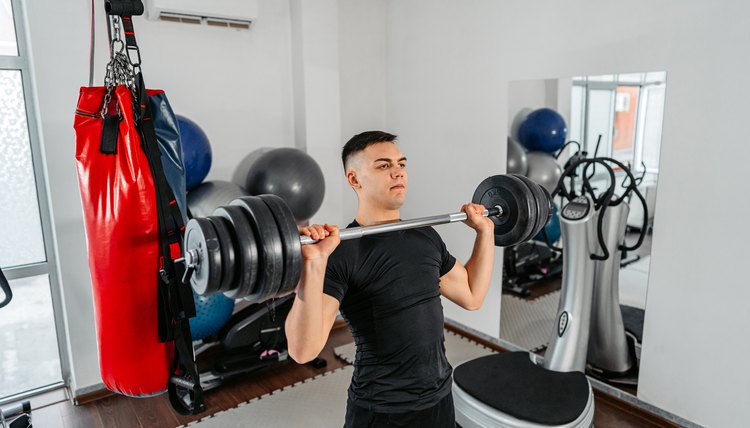
You can also suffer a chest muscle strain from trying to lift heavy objects or doing heavy lifting at the gym without a proper warm up or proper technique.
Recovery and treatment
The physician will not wrap or cast a chest muscle injury like a strain, or a fractured sternum or broken rib, for that matter. It is important for you to have no difficulty breathing to be able to recover properly, as there is the risk of a respiratory illness such as pneumonia when your breathing is restricted to small breaths.
- If you are diagnosed with strained chest muscles, the first step in recovery is to immediately stop using the muscles any more than the simple repetitive motions on a daily basis, such as brushing your teeth. Eliminate any strenuous activity that excessively strains the chest muscles and limit yourself to activities of daily living until your muscles begin to heal.
- Take any medication prescribed. You may be given instructions to take an over-the-counter medication such as ibuprofen or Tylenol for pain. Follow dosing instructions from your healthcare provider or on the dosing information on the bottle. Often in the cases of severe pain, you will also be given a narcotic pain reliever. Take as necessary per instructions for the pain.

Healing process
- Use an ice pack initially on the injured chest area for the first three days. The ice pack should not be placed directly on the skin, so have some protective barrier like a thin towel. The ice will help with swelling in the chest. You may wish to continue the ice pack past the three days if the swelling persists. Typically, an ice pack is most effective if used for 20 minutes and then the injured area is given 20 minutes rest.
- Try hot packs after the first three days or once the swelling subsides. These usually soothe the muscles and help provide further relief. Some people find that the heat is more irritating to the area. If so, discontinue use and consider continuing with brief use of the ice packs or nothing.
- Get plenty of bed rest. For your body to be able to recover from any injury, you need rest. It is hard for the body to recover when you are still maintaining your daily activities that take up your energy.
- Ensure you are in a proper position when resting. If you have strained chest muscles, most positions you sit or lie in will cause pain. The best position for strained chest muscles is generally lying in a partially sitting position with two or three pillows behind your back. The best type of pillows are down pillows that also offer some support to your back, helping avoid a bigger issue by adding back pain into the mix. A floppy pillow will cause your chest muscles to have to be used to support you.
- Limit your activities during the resting process. You don't want to re-injure or overuse the area too soon. Make sure not to lift anything more than a pound or two at first, and don't stretch the chest muscles too far. Stick to easy activities such as simple walking and sitting. Even activities that seem like they won't affect the area may in fact do so. For instance, imagine driving a car and suddenly having to swerve to avoid a deer or another car and pulling the muscles abruptly that are strained.
Getting back to normal
Start stretching out the area after you've rested for a few days. Too much stretching can make things worse, so start with simple stretches and don't do many repetitions. Do not stretch past the point of tolerable discomfort.
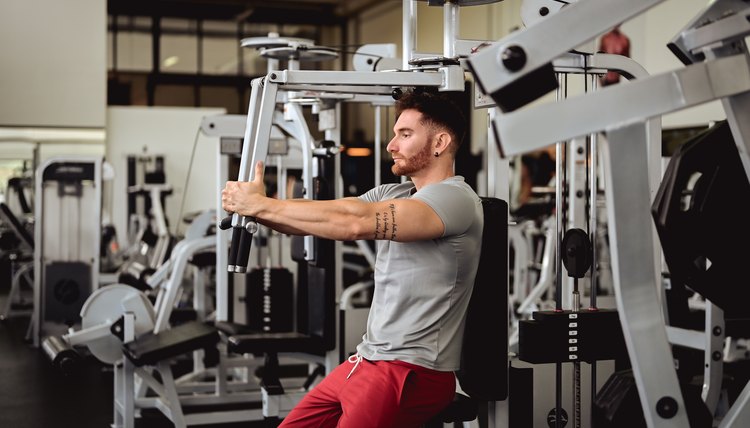
Gradually add normal everyday activities back into your routine and monitor your soreness. Continue to stretch out every day, working in weight-bearing workouts lightly. You want to make sure you have completely healed before getting back into heavier weightlifting or the sporting activities that caused the injury, like doing a bench press. The area is now more sensitive to injury, so always stretch out well and be careful when you do get to the point where you engage in sporting and other physical activities again.
Physical therapy may be recommended to help aid in your recovery. A physical therapist can help show you what exercises to do to help your recovery. You might receive TENS therapy, where electrotherapy helps reduce swelling and relax the muscles. Ultrasound could be used as well to promote blood flow to the area and relax muscles to help speed healing.
Make sure to continue care with your physician. Follow up care can be essential to make sure the area is healing and that you aren't doing anything to make the strained chest muscles worse.
Tips
- A hot pack should also only be used for about 10 minutes, followed by a rest period without heat.
- It is important to take pain medication if you have intense pain. This is to make sure you can take deep breaths while recovering. It is possible to develop pneumonia if your breathing is restricted.
- You may find that topical creams aimed at sore muscles are effective. Test a small area first to make sure it doesn't make you feel worse or irritate the area.
Warnings
- Don't assume that just because an initial chest X-ray was negative for a fractured sternum or rib that you don't have a fracture. Sometimes an X-ray taken right after an accident or injury does not show a fracture. You may need to get a follow-up X-ray or even CT scan a few days later if you have persistent intense pain that doesn't seem to come from a tendon, joint or muscle.