Sugars such as lactose and fructose are simple carbohydrates that your body can use as a quick source of energy. But some people are unable to consume these sugars because they lack the specific enzymes that break them down in the digestive tract or have other problems digesting the sugars. If you have fructose and lactose intolerance, knowing which foods are free of these sugars and safe to eat is an important goal in managing your diet and staying healthy.
Meat, Poultry and Fish
Video of the Day
Most meats, poultry and fish are naturally free of both lactose and fructose. For example, a 3-ounce serving of lean beef or pork, or 1 slice of bacon, contains neither sugar, while chicken and turkey meat is also fructose- and lactose-free. Fish is also a good choice if you're fructose- or lactose-intolerant because fish such as salmon, catfish and many other types also lack both sugars. But many meat and fish dishes prepared with certain sauces or other, sugar-containing ingredients may contain fructose or lactose. For example, Asian dishes such as sweet and sour chicken might contain more than 20 grams of fructose, while meat lasagna with tomato sauce could contain about 1 gram of each sugar, depending on the exact ingredients. Check the ingredients list on packaged foods to decide if a product is safe for you.
Video of the Day
Vegetables and Nuts
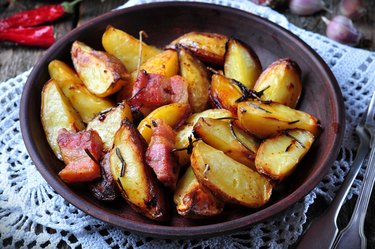
Most vegetables are lactose-free, but some contain moderate to low amounts of fructose and should be avoided if you're intolerant of these sugars. Good choices that lack both fructose and lactose include potatoes and mushrooms prepared by grilling or stir-frying. Other vegetables that are lactose-free but contain trace amounts of fructose include artichokes, carrots and spinach. Some nuts are also fructose- and lactose-free. Examples include almonds and Brazil nuts, which lack both sugars. Almond butter is also free of fructose and lactose. Other nuts, such as cashews, filberts or hazelnuts, and macadamia nuts, also lack lactose but contain trace amounts of fructose.
Other Choices
Some cereals are also good choices if you can't tolerate fructose and lactose. These include either quick or regular oats, creamy wheat cereals or shredded wheat types, but check product labels to ensure no additives contain either sugar. Some types of pasta, such as egg noodles, are free of fructose and lactose, but other kinds might contain trace amounts, so check product labels. Eggs are also a good choice for a food lacking both fructose and lactose -- but check ingredients in omelets and other egg-based dishes, which may contain fructose- or lactose-containing additives.
Foods to Avoid
If you're intolerant of lactose, avoid all dairy products, including milk and cheese, which are rich in this sugar. Instead, substitute almond milk because it's produced from almonds, which are free of both sugars. You may also be able to tolerate modest amounts of plain yogurt because healthy bacteria called probiotics in these foods help digest lactose -- but avoid fruit-flavored types, since all fruits contain some fructose. Small amounts of fructose are also present in many other foods, including many spices and seeds such as pumpkin and sesame. Talk to your doctor or a registered dietitian for help in avoiding fructose and lactose and planning the best diet for your condition.
- National Digestive Diseases Information Clearinghouse: Lactose Intolerance
- Genetics Home Reference: Hereditary Fructose Intolerance
- USDA National Nutrient Database: Fructose, Lactose, All Foods -- by Nutrient Content
- USDA National Nutrient Database: Fructose, Lactose, Meals, Entrees, and Side Dishes
- USDA National Nutrient Database: Fructose, Lactose, Poultry Products
- USDA National Nutrient Database: Fructose, Lactose, Vegetables and Vegetable Products
- USDA National Nutrient Database: Fructose, Lactose, All Foods -- by Food Name
Is this an emergency? If you are experiencing serious medical symptoms, please see the National Library of Medicine’s list of signs you need emergency medical attention or call 911.