


































































Muscle spasms can be painful. You may not know the underlying cause, but it could be a vitamin deficiency. A lack of certain vitamins can affect your muscles and cause spasms or cramps. But before you start using vitamins to treat any muscle spasms, talk with your doctor. He can help you pinpoint the cause of the cramps and advise you on vitamins, if they're necessary.
Vitamin D
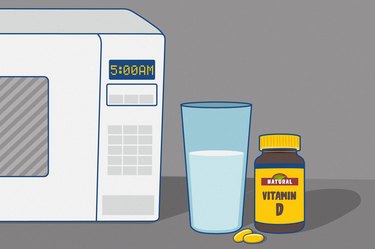
Vitamin D helps the body absorb calcium and phosphorus, which help build and maintain bones and teeth. The vitamin also aids in immune-system functioning and helps improve muscle strength, according to the "Merck Manual Home Edition." The most active form of vitamin D is vitamin D3, which your body produces in response to sunlight. It is also in fortified foods. If vitamin D is lacking, bone and muscle strength decrease. Bone or muscle pain may be present, and muscle spasms may start to occur. Talk with your doctor about vitamin D supplementation.
Vitamin B6
Vitamin B6, or pyridoxine, is a B-complex vitamin. It is essential for enzymes involved in protein metabolism, red-blood-cell metabolism and proper functioning of the immune and nervous systems, according to the National Institutes of Health. Vitamin B6 also helps to keep your blood sugar stable. If you are deficient in B6, you may experience muscle spasms or even convulsions, depression, a sore tongue or skin inflammation. Dietary sources of this vitamin include baked potatoes, bananas, chicken, oatmeal, avocados, peanut butter and trout. If you suspect you are deficient in this vitamin, talk with your doctor to see if supplementation is necessary.
Vitamin E
The anti-oxidant known as vitamin E is a fat-soluble vitamin that is stored in your body. It protects cells from damage caused by free radicals and helps form red blood cells. A lack of vitamin E may cause muscle weakness and loss of muscle mass, as well as muscle spasms. A 2010 study by AS El-Hennawy et al, published in the "American Journal of Therapeutics," found that participants undergoing dialysis who received supplemental vitamin E had fewer muscle cramps than those who did not. More research is necessary to see if this effect can be generalized to the greater population, but it is a promising start. Food sources of this vitamin are eggs, nuts, liver, dark green leafy vegetables and yams. Before using a vitamin E supplement, ask your doctor if it is appropriate for your situation.
Considerations
Muscle spasms may have a cause other than a vitamin deficiency. Among the other possible causes are nervous-system damage, illness and toxins. If you are having muscle spasms, see your doctor for an examination and get a diagnosis. Once the underlying cause is found, treatment can begin.
References
- Merck Manual Home Edition; Vitamin D; Dr. Larry Johnson; August 2007
- National Institutes of Health Office of Dietary Supplements: Vitamin B6
- PubMed.gov; "American Journal of Therapeutics"; A Selected Controlled Trial of Supplementary Vitamin E for Treatment of Muscle Cramps in Hemodialysis Patients; AS El-Hennawy et al; 2010
- University of Maryland Medical Center; Vitamin E; Dr. Steven Ehrlich; 2009


