
When it comes to weight loss, eating enough protein keeps you feeling full, helps prevent you from losing muscle and supports a healthy metabolism. With all that in mind, you may be searching for the best protein powder for weight loss.
Here's how to choose a healthy protein supplement, four top-rated options to try and how to incorporate them into your weight-loss plan.
Video of the Day
Video of the Day
Best Protein Powders for Women's Weight Loss
Protein Powder for Weight Loss
There are many factors that influence your weight and lead to weight gain, including your genetics, environment, health history, types of medications you take and the amount of sleep you get. However, eating more calories than you burn is the main cause of weight gain, according to the National Institutes of Health (NIH).
No matter what regimen you try, every weight-loss diet boils down to burning more calories than you consume (aka creating a calorie deficit).
When it comes to what you eat, though, protein is especially satiating (more on that below) and can help you feel full while you're in a deficit.
For some people, especially those who avoid animal products, supplementing with powder can be a way to help you reach your protein goals, Maryann Walsh, RD, registered dietitian and owner of Walsh Nutrition Consulting, tells LIVESTRONG.com.
How to Choose a Protein Supplement
There are many types of protein powder to choose from, including whey, soy, egg and pea varieties. Some are plant-based, while others are derived from animal products.
No one protein powder is necessarily better than another when it comes to weight loss. But you do want to be picky about the ingredients in your supplement, Walsh says. Here are some things to look for:
- Compare the sugar and carb counts, and opt for a powder with lower numbers. Added sugars especially can up the calorie count without adding to the nutrition factor..
- If you're sensitive to artificial sweeteners, be on the lookout for those in the ingredient list.
- Supplements are only loosely regulated by the FDA, so some more highly processed protein powders may contain unwanted additives like BPA, arsenic, lead and cadmium, according to Harvard Health Publishing. Look to powders with minimal ingredients for the cleanest options.
- Look for supplements that are third-party tested. This is a voluntary step the companies undergo and can indicate a better-quality product.
Now that you know what to look for, you're ready to stock up on a new protein supplement. Consider these RD-approved options:
1. Optimum Nutrition Platinum Hydrowhey Protein Powder
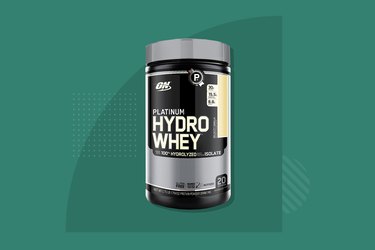
Whey protein supplements specifically can help people who have overweight or obesity lose weight and body fat, according to a January 2018 systematic review and meta-analysis published in the Journal of the American College of Nutrition. In the study, these individuals also improved risk factors related to heart disease, such as their blood pressure and cholesterol levels.
"Whey protein isolate is often seen as a more premium version of whey protein, as it has more of the fat and carbohydrates filtered out," Walsh says. "This one tastes great."
Buy it: Amazon.com; Price: $32.99
2. Amazing Grass Organic Vegan Protein With Kale
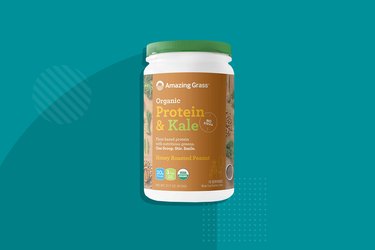
If you're looking for a vegan protein powder, Walsh suggests this option from Amazing Grass Organic.
"[It has] a little bit more sugar than others but has a great taste profile and has the added feature of greens powder in it, which many choose to add to their smoothies anyway," she says.
Buy it: Amazon.com; Price: $21.99
3. Isopure Zero Carb Unflavored Protein
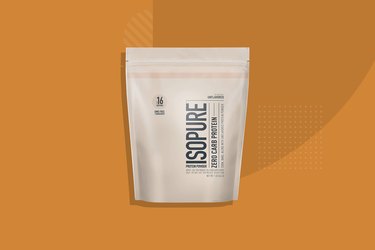
While it may not sound super appetizing, an unflavored protein can be extremely versatile.
"This is an unflavored, zero-carb protein powder popular for those who want to add protein to soups, baked goods, sauces, pancakes, etc," Walsh says.
Buy it: Amazon; Price: $13.42
4. SlimFast Advanced Nutrition High Protein
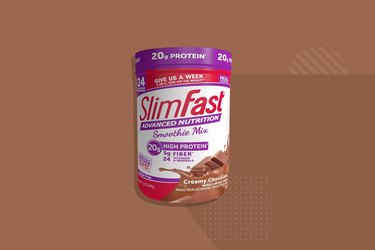
SlimFast protein can also function as a meal replacement, which is great for those looking for a breakfast on-the-go.
"This one has a smooth flavor profile, it's affordable and easy to find at any retailer, and it is a meal replacement, so it has 24 vitamins and minerals," Walsh says. "Not all protein powders qualify as meal replacements."
Buy it: Amazon; Price: $25.88
The 411 on Protein
If weight loss is all about calories, you may wonder how protein fits into the equation. Protein is one of three essential macronutrients, the other two being carbohydrates and fat. Every cell, organ and tissue in your body contains protein, according to the Centers for Disease Control and Prevention (CDC).
Protein in the food you eat supplies your body with the essential amino acids needed to replace the proteins your body is constantly breaking down. Generally, it's recommended that you eat about 0.8 grams of protein per kilogram of body weight daily. A kilogram equals roughly 2.2 pounds so, for example, a 180-pound person would need to aim for about 65 grams of protein each day.
But this recommendation is simply the minimum amount needed for overall health, according to Harvard Health Publishing. The value you actually need is personal and may depend on a number of factors, such as your age, activity level and health history.
Increasing Protein for Weight Loss
If you're trying to lose weight, increasing your protein intake is a good strategy. Your body processes different macros at different rates, according to the Mayo Clinic. Carbs are generally fast-digesting, whereas fat and protein move more slowly through the body, keeping you feeling full for longer (read: away from the snack cabinet).
While you'll want to cut calories in general, maintaining or increasing your protein intake while dieting is smart. Eating about 1.2 to 1.6 grams of protein per kilogram of body weight is a good range to shoot for while you're following a weight-loss diet, according to an April 2015 review published in the American Journal of Clinical Nutrition.
Using those numbers, that same 180-pound person mentioned above would aim for 98 to 131 grams of protein a day.
Drinking a protein shake or sneaking protein powder into other dishes is one way to help you reach your daily quota.
Along with a weekly strength-training regimen, increasing your protein intake can also help you shed more calories in the long run by building muscle, Walsh says. More overall muscle mass boosts your metabolism, which increases the calories your body burns just doing day-to-day activities.
Related Reading
- NIH: "What Causes Obesity & Overweight?"
- Journal of the American College of Nutrition: "Whey Protein Supplementation Improves Body Composition and Cardiovascular Risk Factors in Overweight and Obese Patients: A Systematic Review and Meta-Analysis"
- Obesity Science & Practice: "Effects of Consuming a High‐Protein Diet With or Without Soy Protein During Weight Loss and Maintenance: A Non‐iInferiority, Randomized Clinical Efficacy Trial"
- Harvard Health Publishing: "The Hidden Dangers of Protein Powders"
- Centers for Disease Control and Prevention: "Protein"
- Harvard Health Publishing: "How Much Protein do you Need Every Day?"
- Mayo Clinic: "Mayo Clinic Minute: Foods to Help you Feel Full"
- American Journal of Clinical Nutrition: "The Role of Protein in Weight Loss and Maintenance"
- FDA: "Dietary Supplements"