
A diagnosis of lactose intolerance means that your body lacks the ability to digest lactose, a sugar that occurs naturally in cow's milk. An estimated 30 million to 50 million Americans have lactose intolerance, according to the University of Maryland Medical Center. Though lactose is present in a vast assortment of foods, ranging from milk, yogurt and cheese to various bread products and lunch meats, numerous other foods fit well within a lactose-free diet.
Fruits and Vegetables
Video of the Day
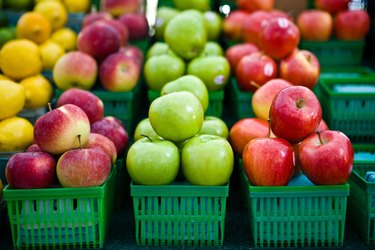
Fruits and vegetables provide rich amounts of vitamins, minerals, antioxidants and fiber. Since fruits and vegetables are naturally free of lactose, enjoy a variety of types and colors regularly to reap broad dietary benefits. Fruits and vegetables richest in nutrients include apricots, apples, berries, citrus fruits, kiwi, papaya, cantaloupe, tomatoes, spinach, kale, mustard greens, Brussels sprouts, cabbage, legumes, bell peppers and asparagus. Dried fruit, frozen fruit bars and pure fruit and vegetable juices are also lactose-free.
Video of the Day
Complex Carbohydrates
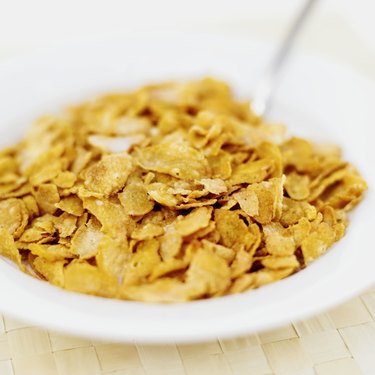
Complex carbohydrates, such as whole grains and starchy vegetables, provide significant amounts of vital nutrients and dietary fiber. Since many commercially prepared breads, cereals, pasta and baked goods contain modest amounts of lactose, opt for unprocessed grains, such as brown rice, wild rice, basmati rice, oats and popcorn. You may also enjoy breads, cereals and snack foods that do not list milk-derived products as ingredients, according to the National Digestive Diseases Information Clearinghouse. These include milk, cream, lactose, whey, curd, dry milk powder and milk solids. Starchy vegetables are naturally free of lactose and include baked potatoes, sweet potatoes, yams, squash and pumpkin. When ordering potatoes and other starches at restaurants, request exclusion of sour cream, cheese and cheesy sauces.
Protein-Rich Foods

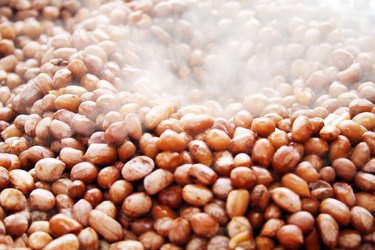
Protein supplies amino acids, which are necessary for lean tissue growth, tissue repair and proper brain function. Since dairy products provide valuable amounts of calcium and vitamin D, the University of Maryland Medical Center suggests regular intake of nondairy calcium sources. Fish, such as salmon, tuna and sardines, and legumes, such as pinto beans, provide significant amounts of calcium as well as protein. You may also enjoy yogurt with live active cultures, since healthy bacteria in the yogurt aids in the digestion of lactase. Additional lactose-free protein sources include meat, poultry, eggs, soy milk and tofu. Opt for lean varieties of meats and poultry most often to prevent excessive intake of saturated fat.
Fats
Dietary fats play an important role in wellness. Fats are necessary for the absorption of many nutrients and support healthy skin, hair and brain function. Select healthy fats, such as nuts, seeds, plant-based oils and avocados, to help prevent blood pressure and cholesterol problems. When consumed on their own, nuts, seeds and oils are naturally free of lactose. Almonds and almond butter are examples of lactose-free fat sources that also provide calcium.