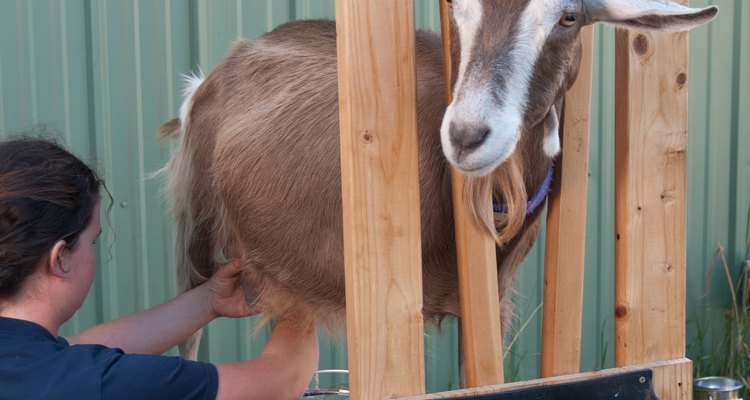
Being more holistic in your diet may be good for you. Raw or minimally cooked fruits and vegetables, unprocessed flour and other natural foods have been proven to have some health benefits or at least not harmful benefits. Goat milk is touted as less allergenic and flavorful. However, when it comes to goat milk, the level of "natural" may make it an unhealthy choice.
Goat Milk
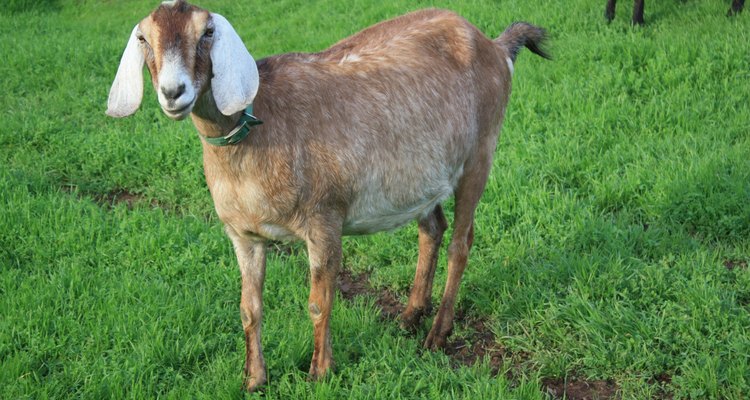
There were 335,000 milk goats listed in the U.S. in January 2009. That is a 4 percent increase over the previous year. The main dairy goat breeds in the U.S. are Alpine, LaMancha, Nubian, Oberhasli, Saanen and Toggenburg. Goat milk production and uses are increasing.
FDA on Raw Milk

The FDA regulation that all milk and milk products meant for direct human consumption must be pasteurized was published on August 10, 1987. It states that unpasteurized milk may be dangerous no matter how carefully prepared due to dangers of bacteria, pathogens, infectious organisms, gastrointestinal disease, diseases shed through the cow's udders and animal to human (zoonotic) disease transmission. The American Academy of Pediatrics, other federal and state health agencies and the Centers for Disease Control agreed. This includes certified raw milk. The American Veterinarian Association also agrees that milk should be pasteurized as animals can appear healthy, but still be shedding diseases we lack the ability to test for.
Legalities of Raw
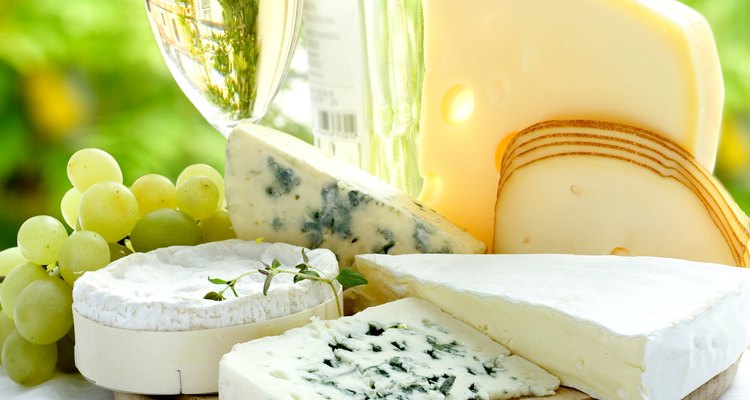
Most states make the selling of raw milk illegal. As of 2009, Pennsylvania and a few other states do permit sales to consumers by certified farms, but most state certification testing is no more stringent than for farms that produce pasteurized milk. Georgia allows sale of raw milk, but the seller must mark it as not for human consumption. Raw milk used for making cheese is not included in the ban in many states.
Raw Milk Related Disease
Some of the most common outbreaks linked directly to unpasteurized milk are Salmonella, Campylobacter, Listeriousis, Yersinia enterocolitica infections, Escherichia coli, Coxiella Burnetti (Q-Fever) and Chlamydia. Although it is not proven that rabies can be transmitted, because there is no proof it cannot be, it is also on the list of possible dangers of raw milk.
Safe Raw Uses
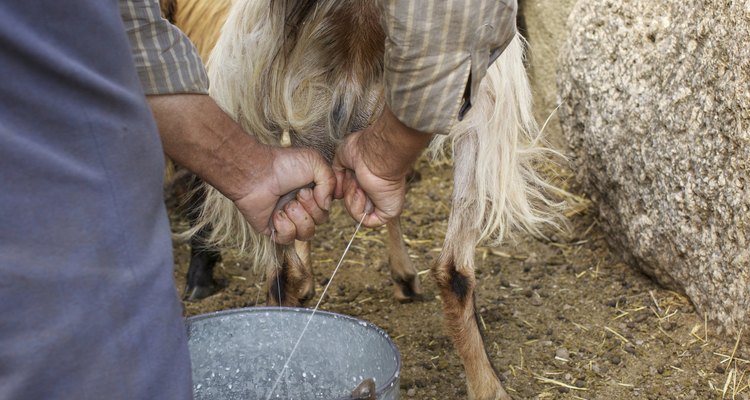
The FDA and CDC concludes that pasteurization is the only way to reliably reduce the dangers of milk. Research has not proven there are any nutritional value differences between pasteurized and unpasteurized milk. However, some recipes for making cheese require raw milk. These cheeses must be aged at least 60 days before selling sale in the U.S. However, certified raw cheese can be exported since 2007. Raw goat milk is also used to make soaps.
Pasteurized Goat Milk

Pasteurized goat milk is as safe as cow milk, and you can use pasteurized goat milk every way regular cow milk is used. It is not recommended for use in infants under six months of age without doctor approval, however.
Raw Goat Milk
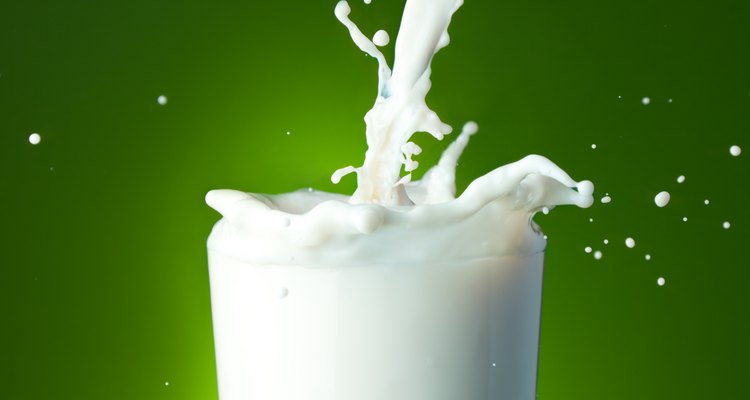
USDA/ARS Children's Nutrition Research Center at Baylor College of Medicine in Houston says while there are documented risk of raw milk, there are no proven benefits. Unpasteurized milk can be particularly dangerous for anyone with immune issues, children, pregnant women and the elderly. The Mayo Clinic agrees, stating that raw milk and even raw milk cheeses are not safe to drink, eat or use in cooking.
Related Articles
Skim Milk Vs. Raw Milk

Benefits of Raw Milk

How Long Can Milk Stay Unrefrigerated?

Difference Between Fermented Milk & ...
Does Cooking Raw Milk Pasteurize It?
Whole Milk Vs. Lactaid Milk
Which Cheeses Contain Animal Rennet?

What Are the Benefits of Extrapone ...
What Type of Microorganism Is Used to ...
Raw Food Diet & Tofu

List of Vegetarian Cheeses

How to Purchase Milk Crates
What Is Animal Rennet?

Milk of Magnesia Treatment for Acne

Side Effects of Monosodium Glutamate

How Are Perfumes Tested on Animals?
Is Muscle Milk Safe for Children?

Can You Make Homemade Mozzarella Cheese ...
Health Benefits of Organic Foods Vs. ...
Foods High in Probiotics & Electrolytes
References
Writer Bio
Daniel Cobalt lives in Georgia and has been writing online for over five years. He has a technical certificate in printing from the Philadelphia Printing School. His areas of expertise include fitness, home schooling, parenting, personal relationships, small business ownership and pet topics including breeding, training and responsible ownership.
Photo Credits
Carol Thacker/iStock/Getty Images