
When the temperatures start to drop in the fall and winter months, there's no need to give up your running habit. In fact, running in cold weather is not only OK for most athletes — with the right preparation and gear — but has its own benefits.
According to the American College for Sports Medicine, it is safe to run in cold weather in temperatures down to -7 degrees F, as long as you wear the right clothing and take precautions to avoid exposure-related injury or illness.
Video of the Day
Video of the Day
If conditions are too treacherous (think: icy roads or wind chills in the negative double digits) you can always opt for treadmill workouts. Those are also a great option if you experience difficult breathing or conditions like exercise-induced asthma, which are common when inhaling dry, cold winter air too rapidly.
But for most healthy athletes, running outside in the cold is safe, and can even give you a much-needed mood boost during the dark, dreary months of the year. Read our expert-approved winter running tips that will help you train comfortably — and safely — in the cold weather.
Benefits of Running in the Cold
Yes, bundling up and stepping out of your warm house into the frigid air takes extra motivation, but there are benefits to running in the cold.
"Cold weather running can trigger the release of endorphins, the body's natural mood enhancers, leading to a boost in mood and overall wellbeing," says Kyle Bowling, an avid marathoner, owner of Kentucky Sports Clinic and founder of RunCare, an online platform connecting runners with appropriate healthcare providers.
"Millions of Americans experience symptoms of seasonal affective disorder (SAD) when temperatures drop and we lose natural sunlight, but running can serve as a very effective and healthy treatment," he says.
According to Bowling, running in cold weather can also "cause your body to work harder to maintain its core temperature, resulting in increased calorie expenditure during your run. There have also been studies done that show cold weather can activate a type of tissue we have called 'brown fat,' which speeds metabolism."
How to Stay Warm Running in Cold Weather
Warm Up First
Don't head out the door to run several miles in below-freezing temperatures without first doing some dynamic stretches, says Penn Medicine. When that brisk air hits muscles that haven't been properly warmed up, the combination of cold and reduced air pressure causes joint tissues to expand, restricting movement and possibly provoking soreness later in the day.
You're also likely to experience cramping and spasms if you throw your muscles into an intense running session without first filling them with nutrient-rich blood and energizing oxygen stimulated by invigorating stretching exercises.
"Most runners don't warm up properly year-round, and that's especially dangerous when the cooler temperatures," says Matt Forsman, a USATF- and RRCA-certified run coach. "Try jogging in place (inside) for a few minutes. Follow this up with a few minutes of some dynamic range of motion drills, like lunges, high knees and butt kicks."
Protect Your Breathing
Depending on the temperature of the air or the wind chill, even the healthiest runners can experience breathing problems while exercising outside in the winter. Wearing a thin ski mask or muffler when running reduces aggravating effects of cold, because the inside of the mask is warmed and humidified by your exhales.
"As the temperature drops to single digits or less, it's best to breathe through a mask or a scarf or both," says Jim Frith, CPT, certified trainer and founder of TopFitPros. "This preps the cool air for the lungs. If they hurt from the cold — even when you are warmed up and breathing through a mask or scarf — then I'd say it's too cold, and you should take your running inside."
His expert tip: Wrapping a lightweight scarf around the lower face and nose also provides adequate protection, but it's not as effective as a face mask. Remembering to breathe through your nose rather than your mouth will also lessen potential breathing difficulties. And focus more on endurance running instead of short, speedy bursts of running, to lessen the amount of cold air rushing into your lungs.
Don't worry that you'll get sick from running in cold weather — that's a myth, says Bowling.
"In order to catch a cold or any other illness, you need to be exposed to the specific viruses responsible for causing those illnesses," he says. So practice good hygiene, like washing your hands or using hand sanitizer frequently, especially after touching surfaces like public water fountains, both during and after your runs.
Wear Layers
The best way to stay warm when running in cold weather? Layers. And according to the National Ski Patrol, the best way to layer is to wear moisture-wicking material against your skin, an insulating middle layer and an outer shell.
"Appropriate layers provide insulation and protection against wind chill," says Bowling, who recommends wearing moisture-wicking and breathable fabrics to manage sweat and prevent overheating (jump to our expert-backed picks).
Wearing a hat is probably the best way to maintain a decent body temperature, as you lose more body heat through your head than any other body part. Many runners wear polypropylene clothes when running because this material is comfortable and good for keeping dry and warm.
"When you're prepping for your run, dress for it to be 10 to 20 degrees warmer than it is," Frith says. "Your body temperature will go up and this needs to be accounted for. The 'feels like' or 'real feel' temperature is what to use here."
Bowling says it's important to "cover exposed skin, such as the face, ears and hands, to minimize the risk of frostbite."
You may have to take several practice runs to decide what amount of clothing works best for you in certain temperatures. Also, make sure your shoes have adequate traction and be careful when running on wet pavement. If possible, avoid running in snow and ice.
Stay Hydrated
You'll still sweat running in cold weather, and because cold air is much dryer than warm air, staying properly hydrated is another key component of running safely in winter. A higher breathing rate also releases more moisture extracted from your body.
Maintaining hydration also reduces the risk of hypothermia and breathing difficulties. To avoid dehydration, ACE recommends drinking 8 ounces of fluid 20 to 30 minutes before your run, 7 to 10 ounces every 20 minutes while running, and 8 ounces 30 minutes after you run.
Plus, "staying hydrated and fueling your body with proper nutrition before and after your run can help maintain energy levels and regulate body temperature," Bowling says.
Best Cold-Weather Running Gear
Running in cold weather is more fun with the right clothing. Try some of these top winter accessories, as recommended by our experts.
1. Brooks Momentum Thermal Tight
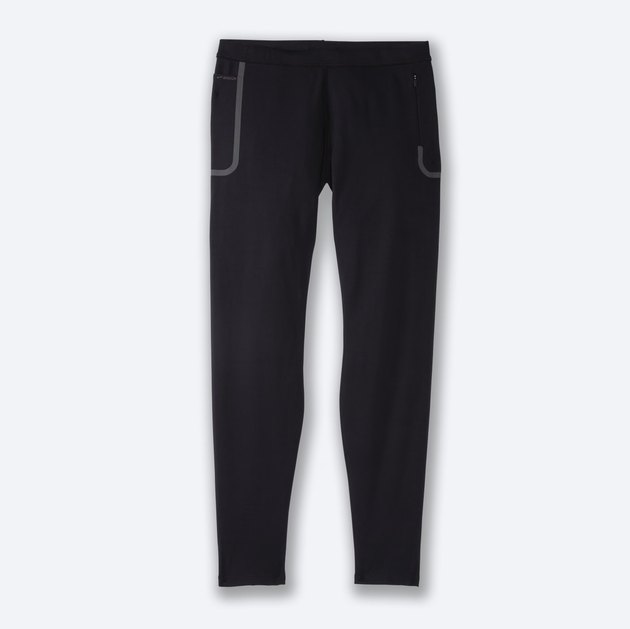
"These are my go-to tights for all types of runs," says Bowling. "The thermal interior keeps you warm on the coldest days and is flexible enough to allow for full range of motion when you're running fast." The functional, built-in hip pockets are perfect for stashing gels, your phone and other personal items.
2. Asics Winter Run Jacket
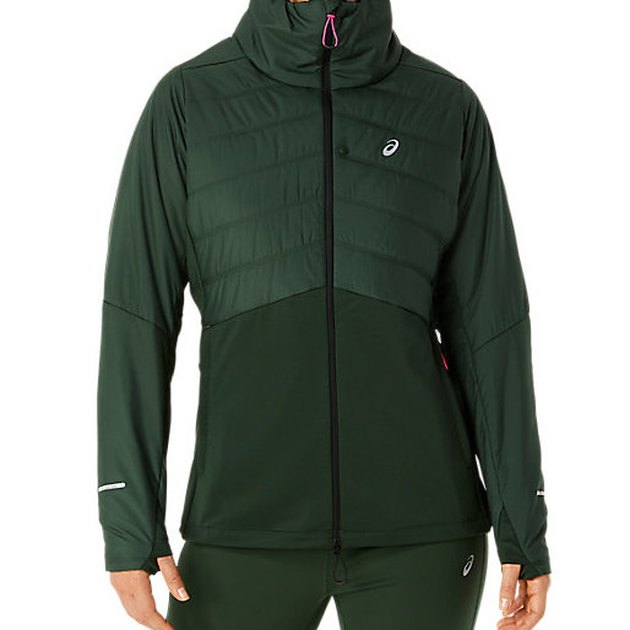
Bowling recommends investing in a wind- and water-resistant outer layer, like this Asics running jacket. Not only is it warm, but "breathable, so you won't overheat or sweat too much," he says. This jacket is great for days when the temps drop below 40 degrees F.
3. Mizuno Breath Thermal Balaclava

Many runners find it easier to run in cold weather while wearing a mask or face covering. "I'm a fan of balaclavas because of how versatile they are," Bowling says. "On the coldest days, they offer complete head, face and neck coverage. And when it's not quite to those frigid temperatures, the balaclava can be pulled down around your face or neck to cool off a bit."
4. Smartwool Active Fleece Wind Mitten
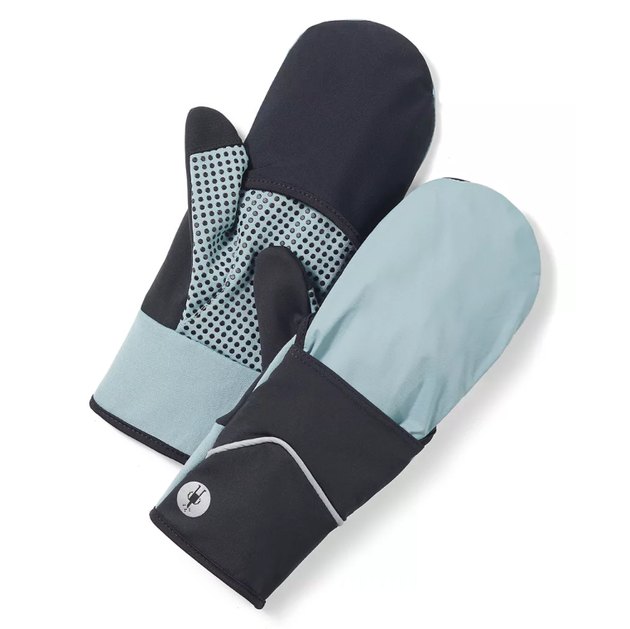
"I love these running gloves because they're a hybrid glove and mitten," Bowling says. "In extreme cold, the wind-resistant mitten is a game changer for keeping your fingers comfortable." And once your hands warm up? The mittens peel back to reveal a touchscreen-compatible glove.
Was this article helpful?
150 Characters Max
0/150
Thank you for sharing!
Thank you for your feedback!