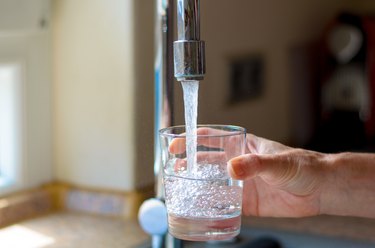
Water not only keeps you hydrated but also lubricates the joints, maintains your temperature and promotes digestive health. If your kidneys hurt after drinking water, you may have an underlying disorder. Also, remember that more isn't always better — this old saying applies to water intake, too.
Tip
Drinking too much water can affect renal function, but it's unlikely to cause kidney pain. If your kidneys hurt after drinking water, an underlying condition might be the culprit.
Video of the Day
Why Is Water So Important?
Health organizations recommend drinking plenty of water for good reason. Your body is 50 to 75 percent water. Every cell and tissue needs this fluid to function properly.
Video of the Day
This vital fluid regulates body temperature, carries oxygen and nutrients to your cells, protects sensitive tissues and helps flush metabolic waste. It also keeps your digestive system running smoothly and adds bulk to your stool, preventing constipation.
As a rule of thumb, adults should drink around 91 to 125 fluid ounces of water daily, points out the U.S. National Library of Medicine. However, you may need more fluids in certain circumstances, such as during exercise or when it's hot outside. If you're on a high-protein or high-fiber diet, consider increasing your water intake. Even mild dehydration can affect mental focus, increase your heart rate and impair physical performance.
Drinking too much water, though, is just as harmful as drinking too little. It may lead to hyponatremia, a condition that affects your sodium levels.
Kidney Pain After Drinking Water
According to a large-scale study conducted on over 14,000 adults, about 1.7 percent of the general population has hyponatremia. Women and individuals with certain conditions, such as stroke, heart disease, high blood pressure and mental disorders, are at greater risk, according to findings published in the American Journal of Medicine in December 2014.
Drinking too much water can affect your kidneys' ability to excrete it, as the Mayo Clinic points out. The excess fluid may reduce sodium levels in your body, causing electrolyte imbalances. Other potential causes of hyponatremia include hormonal disorders, diarrhea, vomiting, kidney disease and the use of certain medications or illegal drugs.
Hyponatremia can be acute or chronic, as reported in a review featured in the Indian Journal of Endocrinology and Metabolism in November-December 2014. The acute form is characterized by a sudden onset of symptoms, such as seizures, coma and even death, and results from fluid buildup in the brain. The chronic form develops over more than 48 hours, causing nausea and vomiting, fractures, reduced bone mineral density, confusion, headaches and muscle cramps.
While it's true that hyponatremia affects renal function, it doesn't cause kidney pain. If your kidneys hurt after drinking water, you may have ureteropelvic junction obstruction or other renal disorders. The best way to determine the root cause of your symptoms is to consult a doctor.
Potential Causes of Kidney Pain
As mentioned above, a possible cause of kidney pain after drinking water is ureteropelvic junction obstruction. This rare condition results from a partial or total blockage of the junction where your kidneys attach to the ureters, stopping or slowing the urine flow.
Most cases are congenital, according to the Urology Care Foundation. However, it is possible to develop ureteropelvic junction obstruction in adulthood due to kidney stones or inflammation in the upper urinary tract. Some types of surgery may cause this disorder, too.
In general, ureteropelvic junction obstruction affects just one kidney. Its symptoms include kidney stones, vomiting, blood in the urine, and pain in the back or upper abdominal area, especially when drinking fluids. You may also notice an enlarged mass in the abdomen or develop urinary tract infections accompanied by fever.
Several other renal disorders may cause kidney pain. Polycystic kidney disease, kidney stones, kidney cancer, injuries and digestive diseases are just a few examples. However, if you have any of these conditions, your kidney won't necessarily hurt after drinking water. Again, it's important to reach out to a healthcare provider, so you can identify the exact cause and receive appropriate treatment.
- Better Health Channel: "Water – A Vital Nutrient"
- U.S. National Library of Medicine: "Water in Diet"
- American Journal of Medicine: "Prevalence of Hyponatremia and Association With Mortality: Results From NHANES"
- Mayo Clinic: "Hyponatremia"
- Indian Journal of Endocrinology and Metabolism: "Hyponatremia: A Practical Approach"
- The Journal of Clinical Endocrinology & Metabolism: "Association Between Hyponatremia, Osteoporosis, and Fracture: A Systematic Review and Meta-analysis"
- Urology Care Foundation: "What Is Ureteropelvic Junction Obstruction?"
- UPMC: "Why Do My Kidneys Hurt (Flank Pain)?"