
Can You Wear Socks in Kickboxing?
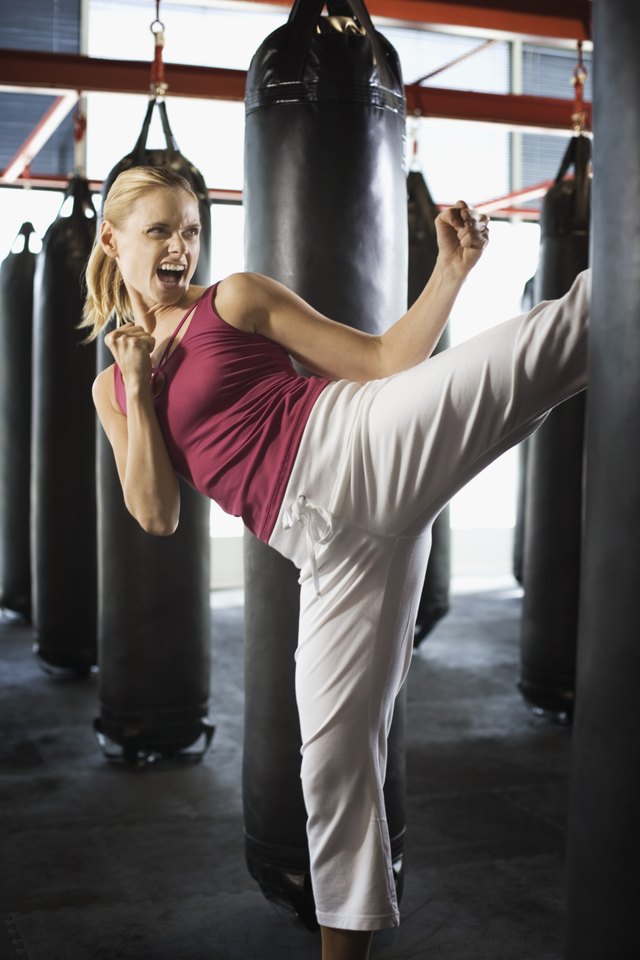
When we’re talking about footwear for kickboxing, we really need to make the distinction between true kickboxing and cardio, or aerobic, kickboxing. In true kickboxing, you punch and kick mats, pads and heavy bags or spar with contact. In cardio kickboxing, you do kickboxing moves in the air without any type of contact. Each of these fitness pursuits has different requirements and that affects what you can safely wear on your feet.
Aerobic Kickboxing
Brand X Pictures/Brand X Pictures/Getty Images
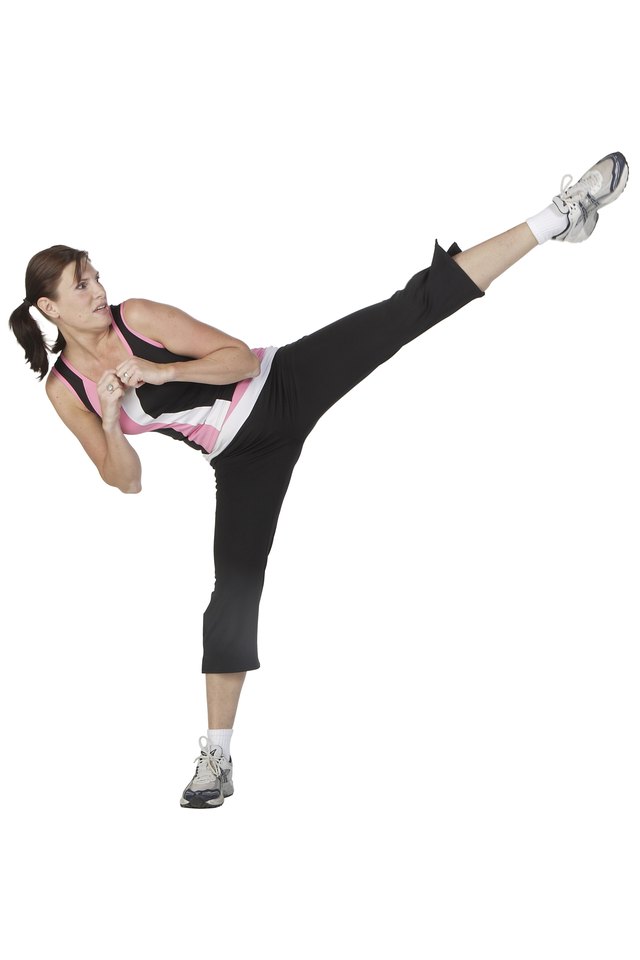
If you’re taking a class commonly known as cardio kickboxing, aerobic kickboxing or fitness kickboxing, you are not practicing true kickboxing but rather kickboxing-inspired aerobics. There is typically no contact with anything in this type of exercise, as your punches, strikes and kicks are delivered to imaginary opponents — kind of like shadow boxing without the shadow. Proper fighting form is not emphasized as much as engaging in a fun high-impact workout. Because of this, shoes and socks are recommended, just like at any other aerobics class. But leave the running shoes at home because they’re designed to support you when you move forward rather than when you pivot; you’ll get better ease of movement with cross trainers.
Bare Feet
Brand X Pictures/Brand X Pictures/Getty Images
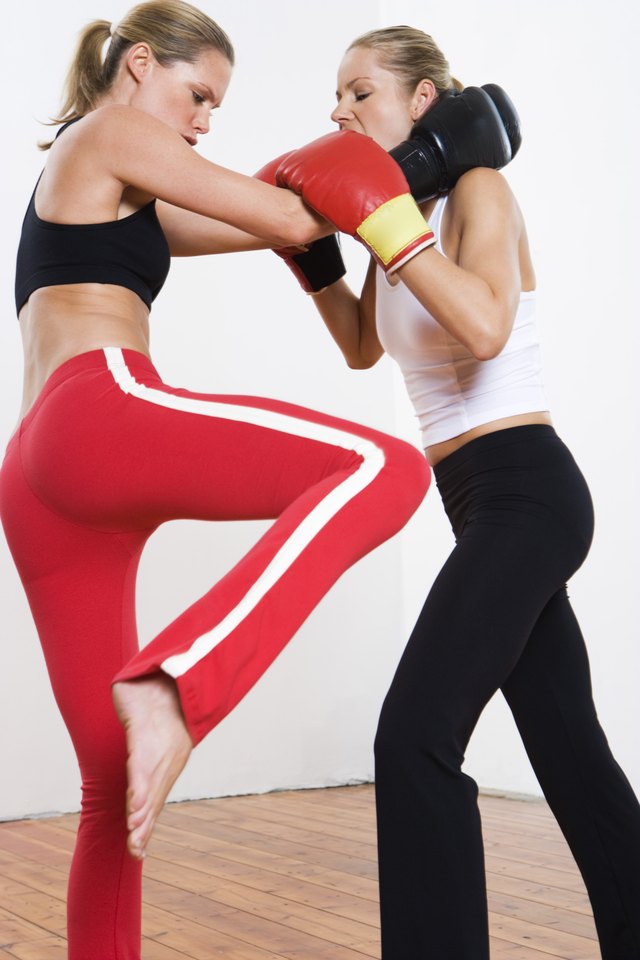
Our feet have 26 bones and 33 joints, which are restricted and weakened by wearing shoes. Also, shoes can hurt a sparring partner if you kick him, and shoes can damage mats used in kickboxing training. In most professional kickboxing, shoes are not worn. Sometimes kick footpads are allowed, but in the Ultimate Fighting Championship’s mixed martial arts style of fighting, which includes kickboxing as well as grappling, any padding or shoes of any type are against the rules. So generally authentic kickboxing is practiced barefoot, like most martial arts, but some gyms allow you to wear just socks. The problem is that socks don’t provide traction and it’s easy to slip and fall.
Wrestling Shoes
Brand X Pictures/Brand X Pictures/Getty Images
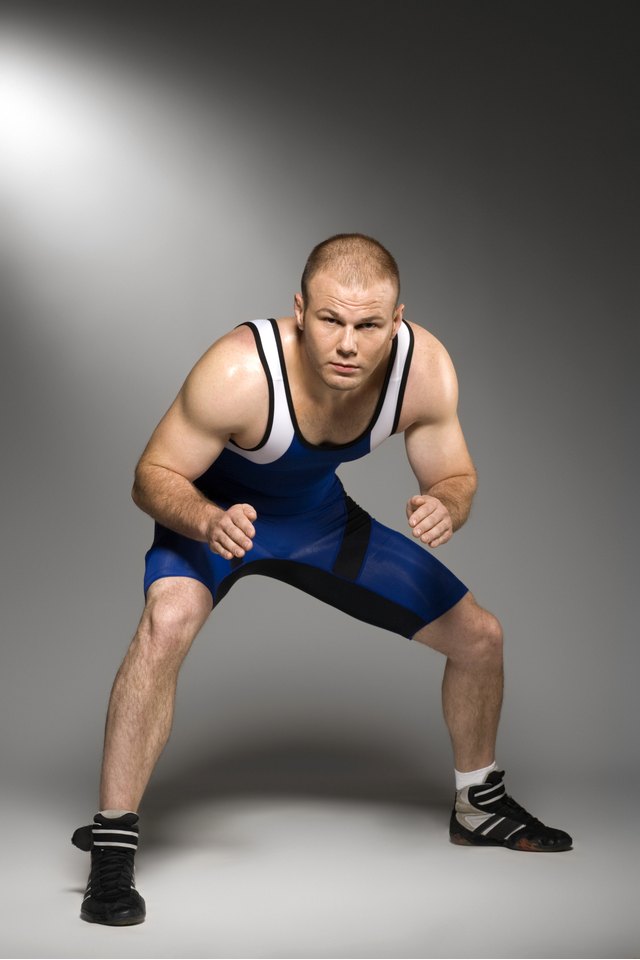
While most professional kickboxing around the world requires athletes to fight in bare feet, the exceptions are the French Savate and American full-contact kickboxing. For the latter, the International Kickboxing Federation only allows Ringstar Maxx sparring shoes, and these are worn without socks. For kickboxing training, however, many gyms and classes will let you wear wrestling shoes, which are usually worn with lightweight wrestling socks; sometimes cross trainers and sports socks are even allowed. Another option is “barefoot shoes,” which can be soft-soled shoes like True Gloves, or the 5 Fingers “toe shoes” which separate your toes like a hand glove.
MMA Socks
If you don’t want to wear shoes and yet you really don’t like the idea of being barefoot on the kickboxing mats, or you find your bare feet hurt when you kick a heavy bag, there is a good compromise. MMA socks were created for people who want to work out wearing just socks. These special socks are lightweight and have a non-skid bottom that lets your feet grip the mat. They also slip easily on and off so you can put them on at the start of your training session as quickly as you put on your gloves or hand wraps.
References
Writer Bio
Heather Vale is a writer, interviewer and seasoned journalist. She has authored news, entertainment and informational programming in TV, radio, print and online media. She is also a certified childhood fitness and nutrition specialist with a background in mind-body-spirit health, self-help, business, technology and pet breeding. Vale holds a Bachelor of Fine Arts in visual arts from York University.