




























































Using food preservatives is a double-edged sword. While there are many benefits to the various chemicals manufactures utilize in growing and processing their products, the negative aspects often take center stage. Preservatives such as nitrites, sulphites, benzoic acid and antimicrobials are highly regulated by the federal government to lessen the negative impact of preservatives on human life. At the same time, the chemicals allow you to enjoy a wide range of food options while getting additional positive benefits at the same time.
Protection
Food preservatives allow you to purchase foods pre-packaged in the grocery store without fear of contamination. Additives control food-borne contaminants such as botulism. Preservatives allow food to be safely stored for delivery by slowing production of fungi, mold and bacteria.
Taste
According to the Food and Drug Administration, food preservatives enhance the taste and texture of food as well as preserve its integrity. Some preservatives are used as stabilizers, emulsifiers and thickeners that make your food more palatable. Preservatives can reduce the number of calories in a food item as well as provide added nutrients while providing you with the finished product you expect.
Disease Prevention
Many preservatives used in food processing are powerful antioxidants that can protect you against disease. Free radicals like reactive oxygen species, or ROS, lead to a host of medical conditions such as cardiovascular disease and cancer. They also speed up the aging process. According to the University of Surrey, many preservatives contain antioxidants that protect you against these conditions.
Bone Health
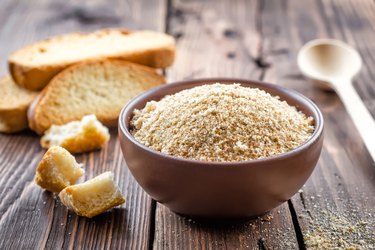
Calcium is a common preservative used in bread and bread products. Calcium stearoyl lactylate and calcium stearoyl fumerate also are used in processed egg whites and artificial whipped cream. The chemicals strengthen dough so that it is more even and effective in commercial production. The mineral, which is a healthy additive in your diet, is used as calcium propionate to prevent bacteria and mold from forming on your bread.
Fiber
Some food preservatives provide small amounts of dietary fiber that can help you maintain a healthy digestive system. According to the Center for Science in the Public Interest, cellulose is a carbohydrate additive that is not digested or absorbed in your body, but acts instead as an agent to move food through your body. In products such as beer, ice cream, diet foods, cake icing and jellies, cellulose improves the texture of the food and prevents crystalizing of the sugar ingredients.
Protein
You can get extra protein from additives such as casein. Casein is used for whitening and thickening products such as artificial coffee creamer, ice cream and sherbet. Casein is the primary source of protein in milk and contains a host of healthy amino acids.


Member Comments