Ingram Publishing/Ingram Publishing/Getty Images
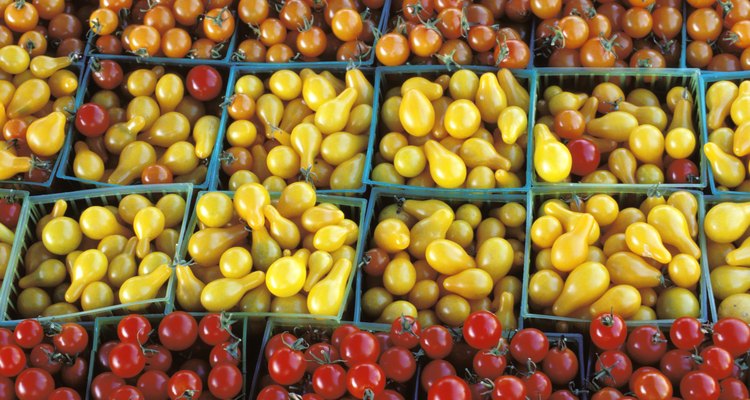
The U.S. Department of Agriculture recommends that adults on a typical 2,000-calorie diet eat 2 1/2 cups of vegetables and 2 cups of fruits each day -- and for good reason. Fruits and vegetables supply you with a host of beneficial nutrients, including the vitamins, minerals, fiber and phytochemicals your body needs to maintain optimal function. Not getting the recommended amounts can result in nutrient deficiencies and poor health.
Nutrient Deficiency
Wavebreakmedia Ltd/Wavebreak Media/Getty Images
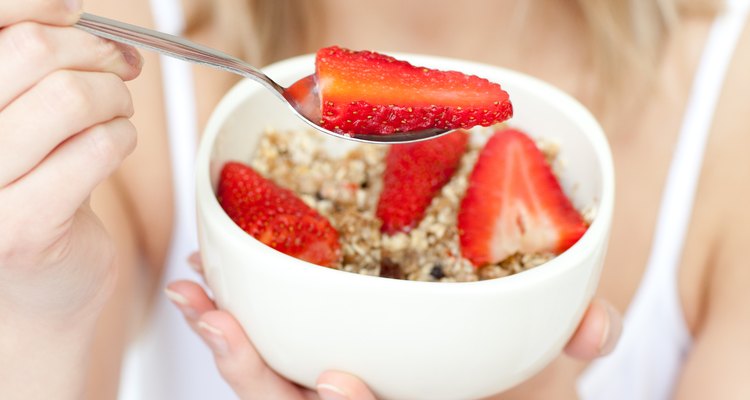
Fruits and vegetables are a major source of important nutrients in the diet, including vitamins A, C, E and K, the mineral potassium and the indigestible carbohydrate fiber. Lacking any one of the nutrients can lead to poor health. For example, you need vitamin C to maintain tissue health and to aid in wound healing; vitamin A supports eye health; vitamin E is a strong antioxidant vitamin that helps fight damaging free radicals in the body; and vitamin K is essential for proper blood clotting. The mineral potassium is an essential electrolyte that helps regulate fluids in the body and counteracts the negative effects of too much sodium, another electrolyte, in the diet. Lastly, fiber, the indigestible part of fruits and vegetables, promotes digestive health and can help reduce high cholesterol.
Increased Risk of Cardiovascular Disease

Warren Goldswain/iStock/Getty Images
A study conducted by Harvard University -- the largest study of its kind at the time of publication -- followed 110,000 adults for 14 years and found that the higher the intake of fruit and vegetables, the lower the risk of developing cardiovascular disease. Study participants who consumed 8 cups of produce each day had a 30 percent lower risk of heart attack or stroke compared with those who ate less than 1 1/2 cups.
Poor Weight Management

Wavebreakmedia Ltd/Wavebreak Media/Getty Images
As a whole, fruits and vegetables, especially non-starchy types with high water content, are the most nutrient dense, yet the least calorically dense of any of the food groups. They are often referred to as low-energy-dense foods, because they contain few calories per gram compared to other foods. This means that you can eat a lot of them and fill up on fewer calories than other food groups, like grains. They're also high in fiber, which helps fill you up and keeps you satiated until your next meal. If you don't eat fruits and vegetables, you may find yourself eating too many calories from other food groups, yet not feeling full. This makes it difficult to manage your weight.
Fruit and Vegetable Servings
gpointstudio/iStock/Getty Images
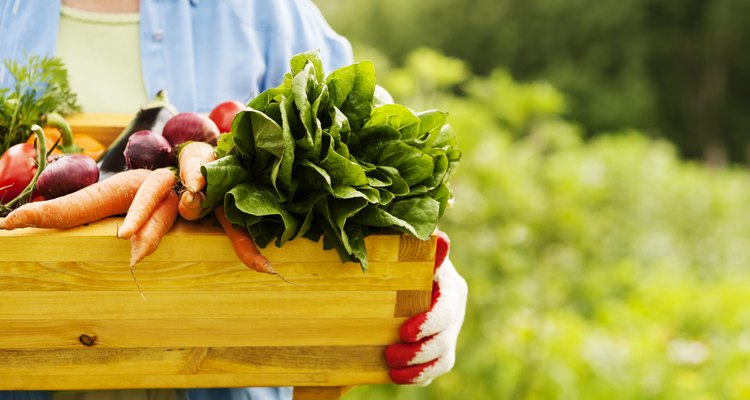
It's important to first understand what constitutes a cup of vegetables so that you can include more in your diet. For most veggies and fruits, like broccoli, apples, squash, red peppers and bananas, a cup or one medium piece of fruit is one serving. However, for leafy greens, like spinach, butterhead lettuce and romaine, 2 cups is one serving. Dried fruits are condensed sources of natural sugars; 1/2 cup of dried fruit is equivalent to one serving of fresh.
Additional Considerations

YelenaYemchuk/iStock/Getty Images
Keep in mind that all vegetables are not created equal. Starchy vegetables, like potatoes and corn, are more energy dense, so they'll pack more of a caloric punch. Make non-starchy vegetables the focus of your meal. And, remember to eat vegetables in a wide array of colors; each color signals a different phytonutrient content, such as beta-carotene in orange vegetables -- and all of them are important to your health.
Related Articles
Nutrition Data on Boiled Red Potatoes

List of Vegetables for the Paleo Diet

What Is One Serving of Fruits and ...
Red Kidney Beans Nutrition
Nutrition Drinks for Diabetics
Nutrition in Calabaza Squash
The Best Fruits for Breakfast

The Sugar in Mangoes

How Much Whole Grain Should You Eat a ...

10 Worst Non-Organic Foods

Which Vegetables Produce the Most ...

Buffet & Dinner Menu for 20 People

The Nutritional Value of Edamame Beans

How Many Calories Does a Small Banana ...

How to Make Fresh Strawberry Frosting ...

Vitamins for Mental Alertness

Nutrition Information on Blueberries

Can Oranges Cause Acne?
The Carbohydrates in Blueberries

High Fiber & Protein Diet Menus
References
- USDA ChooseMyPlate.gov: How Much Fruit Is Needed Daily?
- MedlinePlus: Vitamin C
- Office of Dietary Supplements: Vitamin A
- Office of Dietary Supplements: Vitamin E
- Linus Pauling Institute: Vitamin K
- MedlinePlus: Potassium in Diet
- Harvard School of Public Health: Fiber
- Harvard School of Public Health: Vegetables and Fruits: Get Plenty Every Day
- Centers for Disease Control and Prevention: Healthy Weight - It's Not a Diet, It's a Lifestyle!
- USDA ChooseMyPlate.gov: How Many Vegetables Are Needed Daily or Weekly?
Writer Bio
Jody Braverman is a professional writer and editor based in Atlanta, GA. She received a Bachelor of Arts in English from the University of Maryland, and she is a certified personal trainer, fitness nutrition specialist, and yoga teacher. She has written for various online and print publications, including Livestrong.com, SFGate, Healthfully, and Chron.com. Visit the writer at www.JodyBraverman.com.
Photo Credits
Ingram Publishing/Ingram Publishing/Getty Images