ogichobanov/iStock/Getty Images
Consult a natural foods cookbook, and you'll be certain to see a recommendation to incorporate more wheat germ, brewer's yeast or both into your regular meals. That's because they provide a rich boost of essential vitamins and minerals. While you can obtain wheat germ and brewer's yeast from most big supermarkets or health food stores, you should talk to your doctor before consuming large amounts of either since consumption may cause side effects or interfere with the function of certain medications.
Where They Come From
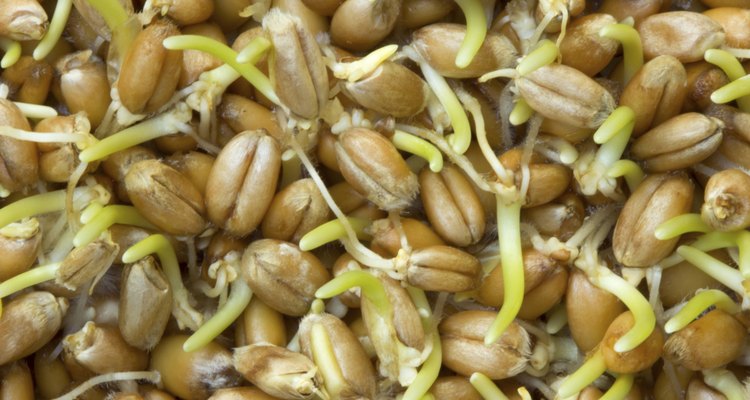
Brewer's yeast and wheat germ are derived from completely different sources. While brewer's yeast is a dried version of the fungus known as Saccharomyces cerevisiae, wheat germ is the small portion of the whole-wheat kernel that is capable of regenerating a new wheat plant. Brewer's yeast, which is different from nutritional or baker's yeast, is typically derived as a byproduct from the beer-brewing industry. It may also be grown specifically to use as a nutritional supplement in powder, capsule, liquid or tablet form. Wheat germ is a natural part of whole-grain cereals like whole-wheat but is often sold separately.
What They Contain
A typical 2-tablespoon serving of brewer's yeast contains 1.5 grams of fat, 16 grams of protein, 7 grams of fiber and over 20 percent of the recommended daily allowance of B vitamins like thiamin, niacin, riboflavin and folic acid. Brewer's yeast is an excellent source of selenium as well. It is also the best natural source of chromium, a mineral that aids in blood sugar regulation. Although it is often touted to vegetarians as a plant-based source of vitamin B-12, it does not contain the nutrient. Wheat germ is similar in fat and B vitamin content to brewer's yeast, but it does not contain as high a concentration of protein, fiber or chromium per serving.
How They're Used
According to the University of Maryland Medical Center, supplementing with brewer's yeast may help promote weight loss and aid in the treatment of high blood cholesterol and diabetes, though more clinical studies are needed. Add it to smoothies and casseroles or use it in place of some or all the yeast in baked goods. If you use wheat germ in addition to or as a substitute for the crumbs and nuts in breading or toppings or for the flour in baked goods, you'll typically decrease the calories and increase the nutrients per serving.
Why to Be Careful
You should not consume brewer's yeast if you have diabetes and are using a medication that's designed to lower your blood sugar. The high chromium content in brewer's yeast may amplify the action of these drugs. In addition, avoid brewer's yeast if you are taking medications such as amoxicillin, meperidine, tetracycline, penicillin, ciprofloxacin, doxycycline, levofloxacin and monoamine oxidase inhibitors like phenelzine. Wheat germ goes rancid rapidly and can develop compounds that may contribute to cancer, heart disease or neurological problems, says University of Massachusetts professor Eric Decker. Store it in the refrigerator after opening and discard it after the "best when used by" date or if it has an unpleasant odor.
Related Articles

When Does Dry Yeast Expire?

The Best Fiber Supplements for Men

Why Bread Dough Does Not Rise

Ingredients to Counteract the Bitter ...
Side Effects of Certain Dri

Psyllium Husk & Gluten
Is Nutritional Yeast Gluten Free?
Does It Matter if I Substitute Baking ...

Is Listerine Effective in Treating ...

How Often Do I Have to Wash Synthetic ...
How to Mix Glycerine and Vaseline for ...

Does Benefiber Lower Cholesterol?

A Checklist for Changing Your Name ...

What Is Dye Made From?

How to Glaze a Fruitcake

How to Apply Talcum Powder

What Relation Is My Grandchild to My ...

Can Fast Acting Yeast Be Used in Place ...

Acne & Brewer's Yeast

How to Ferment Whole Grains
References
- University of Maryland Medical Center: Brewer's Yeast
- Kretschmer: What Is Wheat Germ?
- Whole Grains Council: What Is a Whole Grain?
- Swanson Health Products: 100% Pure Brewer's Yeast Powder GMO-Free
- Chicago Tribune: Has Your Food Gone Rancid?
- USDA National Nutrient Database: Cereals Ready-to-Eat, Sun Country, Kretschmer Wheat Germ, Regular
Writer Bio
Michelle Kerns writes for a variety of print and online publications and specializes in literature and science topics. She has served as a book columnist since 2008 and is a member of the National Book Critics Circle. Kerns studied English literature and neurology at UC Davis.
Photo Credits
ogichobanov/iStock/Getty Images