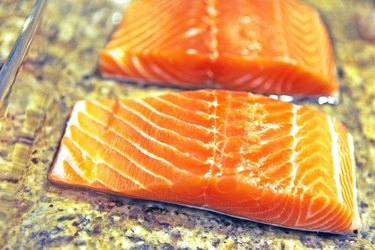
For better heart health, the American Heart Association recommends consuming fish at least twice per week. You may be wondering if this is true for all fish or if you should limit fish that are high in cholesterol and fat. The truth is, when compared with meat, fish is relatively low in cholesterol. Shellfish is a high-cholesterol fish, but even this food may be worked into a healthy diet.
Minor Cholesterol Risk
Video of the Day
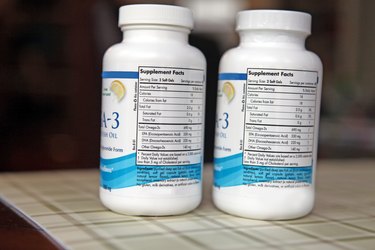
Watching your cholesterol intake will help you lower your blood cholesterol and improve your cardiovascular health. Skipping fish because you are scared of the cholesterol content may not be in your best interest. Most fish are low in cholesterol and are a healthy source of some essential fatty acids that can improve your heart health. Fatty fish contain omega-3 fatty acids, which reduce blood pressure and slow the deposition of plaque on the walls of your arteries, according to the American Heart Association.
Video of the Day
High-Cholesterol Seafood

Shellfish such as mussels, crab, lobster, shrimp and oysters are the highest-cholesterol seafood. A serving of 15 large shrimp contains 166 milligrams of cholesterol. Four or five steamed mussels contain 48 milligrams of cholesterol. You'll get 80 milligrams of cholesterol in 3 ounces of crab, and the same amount of lobster contains 61 milligrams.
Cholesterol Comparison
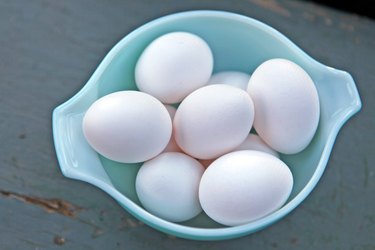
Although shellfish may seem to have a high cholesterol content, this amount is still low to moderate when you compare it with meat. For example, a 3.5-ounce sirloin steak has 80 milligrams of cholesterol, 3.5 ounces of lamb contains 106 and one egg has 212 milligrams. If you consider the amount of seafood you eat compared to the amount of meat you eat, even shellfish is lower in cholesterol and healthier than certain meats. This reason, in addition to its low saturated-fat content, is why the American Heart Association recommends substituting fish for meat twice per week.
Preparation
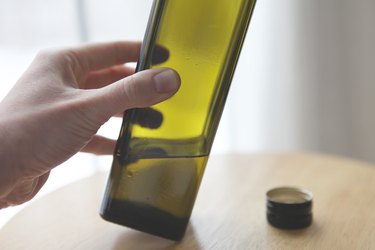
How you prepare your fish can either enhance the health of it or increase the fat and cholesterol content. Lobster and crab can quickly become loaded with fat and cholesterol when served with a bowl of melted butter. Mussels, oysters and clams can also be unhealthy if deep fried. Grill, steam or bake your fish and shellfish using olive oil instead of butter as well as low-sodium herbs and spices instead of salt.
Is this an emergency? If you are experiencing serious medical symptoms, please see the National Library of Medicine’s list of signs you need emergency medical attention or call 911.