Foods That Trigger Histamine Response
Histamine naturally occurs in the body and is released during allergic reactions and times of stress. Histamine is also present in certain foods and is broken down by the enzyme diamine oxidase. According to the British Allergy Foundation, some people produce lower amounts of diamine oxidase, which results in a histamine intolerance and causes diarrhea, headache, asthma, rash, low blood pressure, irregular heartbeats, hives and itchy skin. There is no cure for histamine intolerance, but avoiding foods with histamine can alleviate or prevent symptoms.
Fish
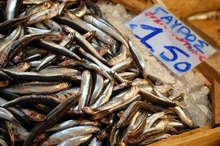
German researchers from the University of Bonn published an article in 2007 in the “American Journal of Clinical Nutrition” (AJCN) that identified high-histamine foods. Fish high in histamine include mackerel, herring, sardines and tuna. Some fish are also associated with scombrotoxin, a histamine toxicity caused by improperly chilled fish. Scombrotoxin can cause burning around the mouth, facial flushing and diarrhea. The Queensland Health in Australia says the fish most commonly associated with scombrotoxin are mackerel, tuna, bonito, sardines, marlin and butterfly kingfish.
- German researchers from the University of Bonn published an article in 2007 in the “American Journal of Clinical Nutrition” (AJCN) that identified high-histamine foods.
- Some fish are also associated with scombrotoxin, a histamine toxicity caused by improperly chilled fish.
Meat & Cheese
Foods High in Histamine
Learn More
According to the Michigan Allergy, Sinus and Asthma Specialists (MASAS), fermented, aged and processed meats and cheeses are high in histamine. This includes salami, sausage, ham, hot dogs, deli meats and dried meats. Cheeses that meet the criteria are blue cheese, parmesan, gouda, camembert, cheddar, emmental, swiss, brie, and gruyere.
Vegetables
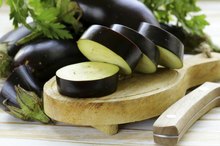
Sauerkraut, pickles, olives and other vegetables that are pickled or preserved are high in histamine. Fresh vegetables that are naturally high in histamine and eliminated on a restricted diet are tomato, eggplant, pumpkin, avocado, mushroom and spinach. Tomato products like ketchup, chili sauce and canned tomatoes should also be avoided, according to the British Allergy Foundation.
Alcohol
Low Histamine Foods
Learn More
All types of alcohol have histamine, but the “AJCN” article lists wine, beer and champagne as the alcoholic beverages with the most histamine.
Additional Foods
Additional foods that may provoke a histamine reaction include foods with artificial colors and preservatives, chocolate, commercial candies, fermented soy products, flavored milk, carbonated beverages, tea, fermented or soured milk products, chicken, soured breads, yeast products, smoked fish and homemade rootbeer. The MASAS indicates that dried fruits are high in histamine but may be tolerated if washed. The MASAS also says that there are certain foods that do not contain histamine themselves but will trigger histamine release, which can cause negative side effects. Possible histamine-releasing foods include alcohol, bananas, chocolate, fish, milk, papayas, pineapple, shellfish, raw egg whites, strawberries and tomatoes.
- Additional foods that may provoke a histamine reaction include foods with artificial colors and preservatives, chocolate, commercial candies, fermented soy products, flavored milk, carbonated beverages, tea, fermented or soured milk products, chicken, soured breads, yeast products, smoked fish and homemade rootbeer.
- Possible histamine-releasing foods include alcohol, bananas, chocolate, fish, milk, papayas, pineapple, shellfish, raw egg whites, strawberries and tomatoes.
Related Articles
Foods High in Histamine
Learn More

Low Histamine Foods
Learn More
List of Foods Containing Tyramine
Learn More
Signs and Symptoms of a Tarragon Allergy
Learn More

Salmon & Skin Rash
Learn More
Salmon Fish Oil & Skin Rash
Learn More

List of Foods With Sulfites
Learn More
Anchovy Allergy Symptoms
Learn More

Histamine Effects of Drinking Wine
Learn More
Swollen Throat Allergy
Learn More
References
- “American Journal of Clinical Nutrition”; Histamine and histamine intolerance; L. Maintz, N. Novak; 2007
- Michigan Allergy, Sinus & Asthma Specialists: Foods that contain histamine or cause the body to release histamine, including fermented foods
- Kovacova-Hanuskova E, Buday T, Gavliakova S, Plevkova J. Histamine, histamine intoxication and intolerance. Allergol Immunopathol (Madr). 2015;43(5):498-506. doi:10.1016/j.aller.2015.05.001
- Smolinska S, Jutel M, Crameri R, O'mahony L. Histamine and gut mucosal immune regulation. Allergy. 2014;69(3):273-81. doi:10.1111/all.12330
Writer Bio
Bethany Fong is a registered dietitian and chef from Honolulu. She has produced a variety of health education materials and worked in wellness industries such as clinical dietetics, food service management and public health.