Nutritional Facts for Hubba Bubba Bubble Gum
Hubba Bubba Bubble Gum can be a tasty, sweet snack for people of all ages. Sugared bubble gums are not recommended by dentists, and should only be chewed as an occasional sugary treat.
Hubba Bubba Max
Hubba Bubba Max Gum is one of several varieties of Hubba Bubba Bubble Gum. There are 25 calories and 5 grams of sugar per piece. There is no fat, sodium or protein in Hubba Bubba Max Gum.
Hubba Bubba Bubble Tape
Atomic Fireball Nutrition Information
Learn More
Hubba Bubba Bubble Tape’s Original Flavor contains 10 calories per 3 gram piece. There are 2 grams of carbohydrates and 2 grams of sugar per piece. Just like the original Hubba Bubba Max, there is no protein, fat or sodium in Bubble Tape bubble gum.
Other Varieties
Hubba Bubba comes in a variety of flavors, including Sweet and Sassy Cherry, Outrageous Original, Strawberry Watermelon and Mystery Flavor. These flavors contain about 6 grams of sugar and 25 calories per piece. Hubba Bubba Ouch is sugar-free.
Related Articles
Atomic Fireball Nutrition Information
Learn More
Nutritional Information on Wine Gums
Learn More

Cinemark Movie Theater Popcorn Nutritional Facts
Learn More
Laffy Taffy Candy Nutrition Facts
Learn More
Nutritional Information for Dubble Bubble Gum
Learn More
Nutrition of Pixy Stix
Learn More
Ingredients & Nutrition Facts for Trolli Sour Gummy Worms
Learn More
Calories in Jolly Ranchers
Learn More
Nutritional Value of Fritos
Learn More
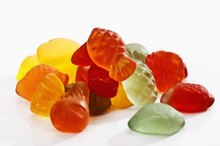
How Many Calories Are in a Wine Gum?
Learn More
References
Writer Bio
Nicole Campbell has been writing professionally since 2005. With an extensive medical background, a nursing degree and interest in medical- and health-related writing as well as experience with various lifestyle topics, she prides herself on her conversational, active voice and ability to relate to the average reader.