Potassium is an essential dietary mineral, but getting too much of it can have negative repercussions. Constipation is not a common side effect of consuming too much potassium specifically; instead, a combination of dietary factors often contribute to gastrointestinal problems. Consult your doctor about getting the right amount of dietary potassium and ask how the mineral relates to any digestive issues you are experiencing.
RDA of Potassium
Video of the Day
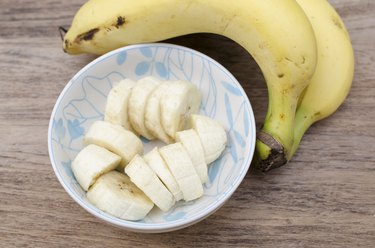
All of the cells in your body depend on potassium to function. It plays a role in your metabolism, regulates the balance of acids and bases, builds muscle, ensures normal growth, and is imperative for your heart's electrical activity. Adults need 2,000 milligrams of this mineral a day and this can be easily achieved by eating fresh produce on a regular basis. Bananas, avocados, cantaloupes, Lima beans, tomatoes and potatoes all contain large amounts of potassium. Flounder, cod, salmon and chicken are good sources also.
Video of the Day
Dangers of Too Much Potassium
While too much potassium may not cause constipation directly, it can have other negative side effects. When your blood contains high levels of this mineral, you can develop a condition known as hyperkalemia. This condition typically has no symptoms, but you may experience nausea or an irregular heartbeat. Additionally, you should only take potassium supplements under the supervision of your doctor, and be aware that common side effects include diarrhea, stomach irritation and nausea.
Diet and Constipation
Your diet plays an important role in the proper functioning of your digestive tract. While too much potassium may not lead to constipation, getting an adequate amount of foods that contain this and other nutrients can help ensure that your bowels work properly. For example, inadequate fiber intake can lead to constipation, and eating a diet rich in fruits and vegetables can both maintain your digestive track and help you meet your RDA for potassium.
Considerations and Warnings
If you believe you may be experiencing a potassium overdose, or if you have not had a bowel movement in more than three days, seek medical attention. Never significantly alter your diet or begin taking any supplements or medications without first consulting your physician. Not only can these have adverse side effects, but they can also interact with other conditions you may have, as well as other supplements and medications you may be taking.
Is this an emergency? If you are experiencing serious medical symptoms, please see the National Library of Medicine’s list of signs you need emergency medical attention or call 911.