Design Pics/Ray Laskowitz/Design Pics/Getty Images
According to Ayurveda practitioners, each person has a specific constitutional makeup, referred to as vata, pitta or kapha. The vata detox diet purportedly removes toxic substances from the body through the consumption of foods specific for the unique nutritional needs of the vata body type. The diet claims to help remove disease-causing toxins derived from foods containing chemicals and pesticides.
Ayurveda
The practice of Ayurveda is an ancient system of Indian medicine. Ayurveda offers a complete metaphysical and philosophical system for providing specific knowledge regarding your constitutional type, or dosha, factors affecting your health and solutions for healing. In addition, Ayurveda holds that everything originates in the “Mind of God” through a “Divine Idea.”
Doshas
Ayurveda contends that your body contains all three dosha types --- vata, pitta and kapha -- but only one usually predominates. Vata, considered the chief dosha, controls all movement. The pitta dosha controls heat and metabolism, and kapha determines body structure. Vata people are often thin and restless; while, kapha people are frequently overweight and sluggish. Pitta types have muscular, medium-builds and are easily irritated or angered. In addition, an imbalance of the three doshas is the primary cause of disease and produces disease-related toxins, according to Jiva Ayurveda.
Detox
The optimal time for performing the vata detox diet is between winter and spring, according to the Council of Maharishi Ayurveda Physicians. The vata detox diet lasts for 45 days and -- in addition to eating certain foods -- includes drinking an abundance of warm water or tea. In the mornings, try making a vata tea by adding ½ tsp. of cumin seed, ½ tsp. ajwain seed and ½ tsp. fennel seed to 2 qt. of boiling water and letting it steep for around 15 to 20 minutes. Then, strain and pour the tea into a thermos to drink throughout the day -- especially 15 minutes after eating. Make a new batch each day.
Foods to Avoid
The vata detox diet instructs you to avoid foods that purportedly increase a toxin buildup called “ama.” Ama foods produce sticky, toxic matter that clogs the body channels that transport nutrients to cells and eliminate wastes, according to Maharishi Ayurveda. General foods to avoid include heavy meats, refined sugars, refined grains, processed and packaged foods as well as those that are non-organic, canned or frozen. In addition, vata-specific foods to avoid include certain fruits and vegetables such as most dried fruits, raw apples, cranberries, pears, artichokes, Brussels sprouts, celery, eggplant, kale, broccoli, fresh corn and raw onions.
Allowed Foods
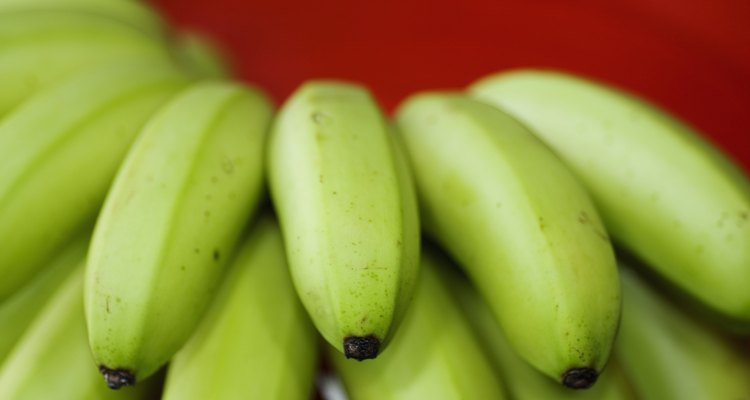
To follow the vata detox diet, consume one to two servings per day of ama-reducing foods, which include fruits, vegetables, soups, whole grains and spices. In general, eat light, warm and easily digested vegetarian foods. For instance, consume grains such as quiona, barley and small portions of rice. Eat fresh whole-grain flat breads and soups such as Ming bean soup. You can also drink warm milk, but not with a meal. Choose sweet fruits such as cooked apples, applesauce, apricots, bananas, cherries, coconuts, grapefruits, grapes, kiwi and lemons. Consume vegetables including asparagus, beets, cooked cabbage, carrots, cauliflower, green beans, raw or cooked spinach, cooked radishes, green chilies, leafy vegetables and pumpkin. In addition, add cilantro and fennel seed to your vata detox diet. Heartier foods are slowly introduced, over a few days, after completing your cleanse.
Considerations
While many detox diets recommend harsh cleansing methods such as enemas and contain limited nutritional components, the vata detox diet includes healthy foods recommended by nutritionists. Registered dietitian Keri Glassman, on an April 2008 edition of the CBS Early Show, discourages detox diets that make you lose weight too quickly and lack essential nutrients. She also stated that no scientific evidence demonstrates that you need to remove bodily wastes by detoxifying. Glassman does recommend some clients follow a detox diet for two or three days, not for detoxifying purposes, but to give clients a "mental jump start to eating better and losing weight." Glassman says the best cleansing diets focus on consuming whole foods and include plenty of vegetables, fruits and whole grains -- along with lots of water.
Related Articles

How to Get Fit in 4 Weeks
Which Foods Help You Get Toxic Waste ...

Can You Eat While Doing the Master ...

Foods to Prevent Jaundice

How to Make Sacred Heart Diet Soup

Metamucil Dosage for Cats
Bland Liquid Diet
How to Make Sweet Brown Rice

The Pitta Dosha Diet

How Exercise Increases Hair Growth
The Hippocrates Diet

Southeast Asian Diet & Nutrition

Does Benefiber Lower Cholesterol?
Which Cooking Oil Can You Use on the ...

How to Make Elderberry Jam
How to Reduce Acne Inflammation

Ayurveda & Acne Scars
What Are the Benefits of Grapefruit for ...
Fruit & Water Diet
Why Should You Use Filtered Water in a ...
References
Resources
Writer Bio
Jan Millehan has published articles relating to health, fitness and disease on various websites. Her publishing history includes health-related articles on blogs and online directories, as well as an essay published in the Bridgewater College journal, "Philomathean." Millehan received a Bachelor of Science in elementary education from Bridgewater College.
Photo Credits
Design Pics/Ray Laskowitz/Design Pics/Getty Images