People with diabetes can eat small amounts of molasses as part of an overall healthy diet. According to the American Diabetes Association, the amount of carbohydrate consumed has a greater impact on blood sugar than does the type of carbohydrate consumed -- in this case, molasses. If you choose to consume added sugar, whether from molasses or another source, the ADA advises reducing other carbohydrates in the meal so that your total carbohydrate consumption remains in check. For example, if you plan to have a dessert made with molasses after dinner, you might omit the rice or bread from the meal.
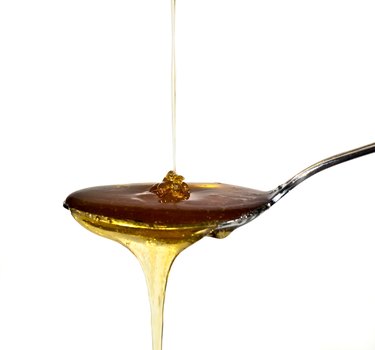
A Spoonful of Molasses
Video of the Day
Molasses is a byproduct of the refining of table sugar. A tablespoon of molasses contains 58 calories and 15g of carbohydrates. It also contains low levels of vitamins and several minerals extracted from the sugar during the refining process. Molasses contains potassium, magnesium, phosphorus and iron. One tablespoon provides 16 percent of the estimated daily iron requirement for men and 12 percent for women. While molasses is a concentrated source of calories and eating too much is not a good idea, a tablespoon of molasses is more nutritious than a tablespoon of refined sugar.
Video of the Day
A Word of Caution
Even though exchanging a starchy vegetable for a molasses-sweetened dessert may have similar blood sugar effects, the difference in the nutrition each provides is dramatic. Vegetables, fruits and other whole-food sources of carbohydrate contain vitamins, minerals and fiber. Molasses is more nutritious than refined sugar, but it does not compare to the nutrients you get from eating whole foods. For optimal health, the ADA advises that you save treats for every now and then. Vegetables, fruits, whole grains, legumes and dairy products should provide the vast majority of your dietary carbohydrates.
- Diabetes Care: Position Statement -- Nutrition Therapy for the Management of Adults with Diabetes
- Diabetes Care: Standards of Medical Care in Diabetes, 2014
- Diabetes Care: A Prospective Study of Sugar Intake and Risk of Type 2 Diabetes in Women
- Elementary Food Science; Earnest R. Viera
- U.S. Department of Agriculture: National Nutrient Database, Molasses
- Food and Nutrition Board, Institute of Medicine, National Academies: Dietary Reference Intakes
- American Diabetes Association: Sugar and Desserts