When it comes to vitamins for gallbladder health, vitamin C is one of the most frequently mentioned in research studies. It may protect against gallstone disease, gallstones and cancer of the gallbladder. You shouldn't take large doses of vitamin C for gallbladder support without first consulting your doctor, however, because it isn't safe for everyone.
Tip
One of the best vitamins for gallbladder support is vitamin C, which may protect against gallstones and gallbladder disease and improve overall gallbladder health.
Video of the Day
Vitamin C for Gallbladder Support
Gallstones are a very common gastrointestinal complaint in Western populations, affecting roughly 10 to 15 percent of the U.S. population alone, according to the National Institute of Diabetes and Digestive and Kidney Diseases. Approximately 25 percent of the nearly 1 million people diagnosed with gallstones annually require treatment, typically with surgery.
Video of the Day
Whereas a deficiency in vitamin C may increase the risk of gallstone formation, supplementing with vitamin C can provide a protective effect. A diet higher in calcium and fiber and lower in fat and refined carbohydrates may also provide gallbladder support and reduce the risk of gallstones, notes a review article published in the Nigerian Journal of Surgery in 2013.
Note that cholesterol stones, which are made of hardened cholesterol, are more prevalent than pigment stones, which are made of bilirubin. Vitamin C helps increase the breakdown of cholesterol, limiting the risk that it will build up and contribute to the formation of gallstones.
Reduce Gallbladder Disease Risk
The Penn State Milton S. Hershey Medical Center notes that the antioxidant and immune support functions of vitamin C may be beneficial for people with gallbladder disease. Other beneficial dietary changes for gallbladder health include avoiding alcohol and trans fats, eating more fiber and antioxidant-rich foods, limiting your intake of red meat and eating more foods rich in iron and B vitamins.
For additional gallbladder support, you should also avoid highly processed foods, such as sugar, white pasta and white bread.
Read more: Side Effects of Gallstones
Understanding Gallbladder Cancer
In a study published in the European Journal of Cancer Prevention in September 2013, researchers found that consuming more vitamin C was helpful for preventing gallbladder cancer. Not all studies have noted the same beneficial effect, however.
A relatively rare and aggressive cancer with a poor prognosis for survival, gallbladder cancer has an increased incidence among Native American populations in the Southwest and among women in particular. The disease tends to present itself at an advanced stage, increasing mortality rates.
While research is ongoing to understand gallbladder cancer, researchers have identified possible risk factors for the disease. A poor diet, chronic gallstones, obesity and vitamin deficiencies may play a role in developing gallbladder cancer, for example.
Given the antioxidant and immune support associated with a healthy diet and vitamin C, it may be beneficial to focus on preventive steps to reduce your risk of cancers. For example, you can increase vitamin C intake for gallbladder support and focus on a diet rich in whole foods, per the 2015-2020 Dietary Guidelines for Americans.
Read more: The Best Vitamin C Dosage for Adults
Recommended Vitamin C Intake
Women should consume at least 75 milligrams of vitamin C per day, and men need at least 90 milligrams daily. If you smoke, add another 35 milligrams per day to your vitamin C requirements. You can easily meet these needs by eating at least five servings of fruits and vegetables each day, according to the National Institutes of Health.
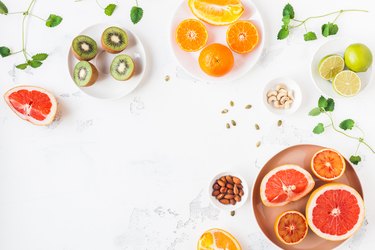
Particularly good sources of vitamin C include citrus fruits, bell peppers, kiwifruit, broccoli, strawberries, tomato, cauliflower, cantaloupe, cabbage and brussels sprouts.
If you're considering vitamin C supplements for gallbladder health, check with your doctor to determine the appropriate amount of vitamin C for you. Too much vitamin C can cause nausea, diarrhea and abdominal cramps and may increase your risk for kidney problems. Vitamin C can also interact with certain statins and chemotherapy medications.
- Nigerian Journal of Surgery: "Gallstones"
- European Journal of Cancer Prevention: "Gall Bladder Cancer and the Role of Dietary and Lifestyle Factors: A Case-Control Study in a North Indian Population"
- National Institutes of Health: "Vitamin C"
- National Center for Biotechnology Information: "Preventing a Mass Disease: The Case of Gallstones Disease: Role and Competence for Family Physicians"
- Penn State Milton S. Hershey Medical Center: "Gallbladder Disease"
- National Institute of Diabetes and Digestive and Kidney Diseases: "Definition & Facts for Gallstones"
- Office of Disease Prevention and Health Promotion: "2015–2020 Dietary Guidelines for Americans"
- National Center for Biotechnology Information: "Gallbladder Cancer: Review of a Rare Orphan Gastrointestinal Cancer With a Focus on Populations of New Mexico"