
What does fact checked mean?
At SportsRec, we strive to deliver objective content that is accurate and up-to-date. Our team periodically reviews articles in order to ensure content quality. The sources cited below consist of evidence from peer-reviewed journals, prominent medical organizations, academic associations, and government data.
- Myostatin - related muscle hypertrophy - Genetics Home Reference
- Myostatin gene expression is reduced in humans with heavy resistance strength training
- Myostatin gene expression is reduced in humans with heavy resistance strength training
The information contained on this site is for informational purposes only, and should not be used as a substitute for the advice of a professional health care provider. Please check with the appropriate physician regarding health questions and concerns. Although we strive to deliver accurate and up-to-date information, no guarantee to that effect is made.
How to Reduce Myostatin

Myostatin (GDF-8) is a growth-factor protein that can hinder muscle growth and weaken physical strength in some people. Activities that build muscle generally suppress or counterbalance muscle degradation caused by this naturally producing compound. Most people have a normal balance of myostatin. However, people with a rare myostatin deficiency, known as myostatin-related muscle hypertrophy constantly produce muscle without any training. These individuals inherited a mutated gene, which naturally minimizes myostatin.
Minerva Studio/iStock/Getty Images
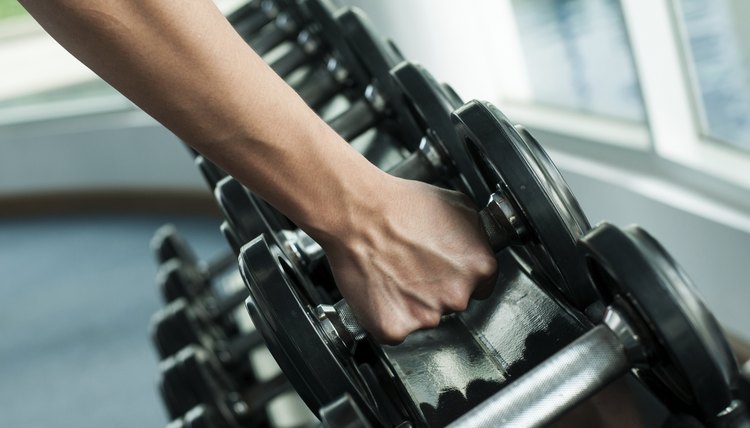
Develop a consistent strength-training regimen. Incorporate different kinds of exercises such as push-ups, weights, resistance training/movements, carrying heavy materials, frequently flexing muscles, pilates and swimming. Performing a variety of exercises consistently will help you tone muscles, build strength and minimize myostatin. A University of Pittsburgh study found that participants who performed nine weeks of heavy resistance training decreased myostatin expression by 37 percent.

Minerva Studio/iStock/Getty Images
Combine intense calisthenics with resistance training to diminish the effects of myostatin. Exercises that strengthen muscles via weights, resistance, and that require contraction of skeletal muscles build strong muscles, mitigating myostatin.
Minerva Studio/iStock/Getty Images
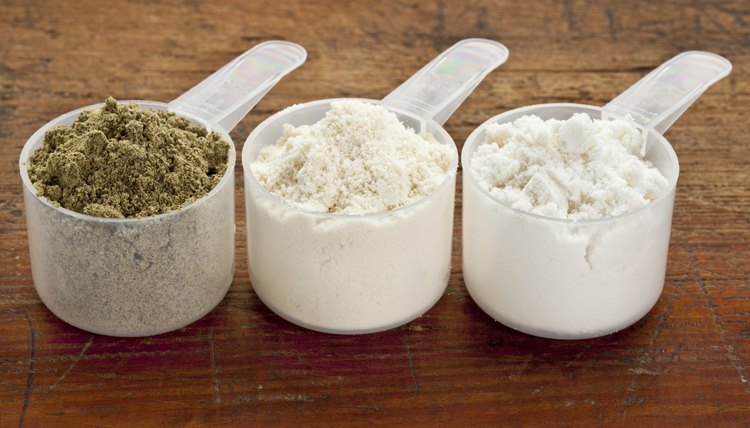
Consume an abundance of protein (amino acids), particularly whey-protein compound specifically designed to foster muscular development when combined with exercise. Whey protein stimulates the body's natural production of adenosine triphosphate, a chemical compound that converts directly into mitochondrial energy which is used by the body to increase lean muscle mass and physical strength.

Minerva Studio/iStock/Getty Images
Consume iron-enriched foods, such as lean meats, fish, nuts, beans and lentils. Iron proves indispensable to the development of healthy muscle tissue. These foods also contain B vitamins that promote healthy metabolism, energy supply and muscle development. Also, consume an abundance of fresh antioxidants found in fruits and vegetables. Antioxidants help prevent oxidation typically triggered by excess cumulative cortisol. Consider a comprehensive supplement that contains Vitamins C and E.

Minerva Studio/iStock/Getty Images
Ask your doctor whether you should use myostatin inhibitors usually found in bodybuilding sponsored supplements. However, use caution and check with your doctor about possible side effects, including a possible risk of increased tendon injuries.
Minerva Studio/iStock/Getty Images
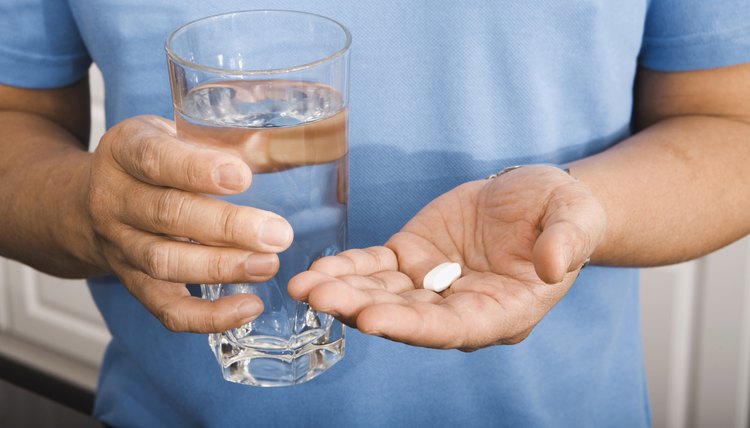
Ask your doctor about Coenzyme Q10 supplements. Coenzyme Q10 actively exists in every cell of the human body. Coenzyme Q10 supplements foster muscle development by restoring cells of fatigued muscles.

Minerva Studio/iStock/Getty Images
Ask your doctor about resveratrol, a powerful antioxidant found in grapes and red wine, known to regulate the metabolism. Resveratrol is found naturally in red wine and grapes but only provides a negligible amount in those forms. Supplements are a more efficient way to get more of the antioxidant.

Minerva Studio/iStock/Getty Images
Avoid stress. Inordinate negative stress elevates cortisol, which promotes the release of myostatin activity, exacerbating muscle deprivation and degradation. By reducing stress, you indirectly diminish myostatin.

Minerva Studio/iStock/Getty Images
Get seven to 10 hours per day of sleep. The body naturally requires sleep for rehabilitation, an indispensable self-defense mechanism designed to prevent and protect against free-radical invasion. Sleep facilitates necessary bodily repair, reducing stress, and thereby regulating cortisol levels. All these factors help to mitigate myostatin to maximize muscular strength and endurance benefits.