pilipphoto/iStock/Getty Images
For years, coconut oil was considered a diet “don’t.” One of the only plant sources of saturated fat (a form of fat linked with heart disease, diabetes and obesity), it was seldom found on any superfoods lists.
And then it was everywhere, including on health-food fans’ lists of favorites. Coconut oil has been touted to help with weight control, boost immunity and even fight Alzheimer’s disease. Following its rise in the wellness world, the American Heart Association (AHA) put out a report warning against coconut oil’s use because it has been found to increase LDL cholesterol (the bad kind).
So how do you make sense of this cacophony of information? Read on to learn more about the tropical oil, the science-based truth behind its benefits and how to healthfully incorporate it into your diet.
What Part of the Coconut Does Coconut Oil Come From?
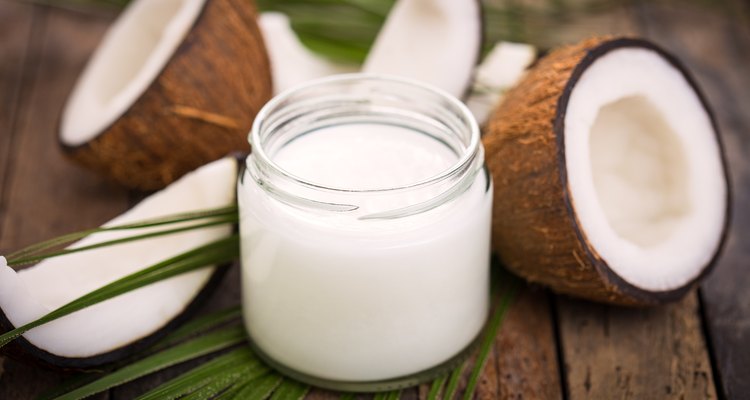
Coconuts contain milk, fiber and meat, and their hard exterior shells are often used as a bowl or cup. Coconut oil is extracted from the fruit layer of the coconut.

stocksy/VeraLair
The Saturated Fat and Cholesterol Controversy
Because about 90 percent of the fat in coconut oil is saturated, a higher percentage than beef or butter, it has long been considered unhealthy. Different types of saturated fat exist, though, and not all of the kind in coconut oil negatively affects cholesterol health. One of the types of fat in coconut oil, lauric acid, is a medium-chain triglyceride, which the body metabolizes differently than longer-chain triglycerides. Some research has found that MCTs raise HDL, or “good,” cholesterol levels.
While this has led some wellness advocates to anoint coconut oil a near miracle food, many medical and dietary experts feel differently. The researcher who led one of the most widely cited studies on MCTs and coconut oil explained to Time that her research used “designer oil” containing nearly 100 percent MCTs, whereas coconut oil contains just 13 to 15 percent MCTs. What’s more, lauric acid is also known to raise LDL, or “bad” cholesterol.
A 2016 study that reviewed other studies comparing the cholesterol levels of people who ate coconut oil to those who ate oils with unsaturated fats (like olive oil) found that coconut oil significantly raised “bad” LDL cholesterol levels in five of the seven studies.
All of the hype and confusion around coconut oil led Karin Michels, a professor in the department of epidemiology at Harvard T.H. Chan School of Public Health, to call it “pure poison” in an August 2018 lecture . Michels said coconut oil poses a greater risk to heart health than animal fat, due to its high level of saturated fats.
In 2017, the American Heart Association also updated its healthy advisory to urge people to avoid coconut oil. The group still recommends limiting saturated fats — including those from coconut oil — to about 5 to 6 percent of your daily calories. The school notes that decades-long research has shown saturated fat can raise levels of “bad” LDL levels in your blood, which can in turn block your arteries and raise your risk of heart attack and stroke. If you’re on a 2,000-calorie diet, that works out to about 13 grams of saturated fat per day. A tablespoon of coconut oil has about 11 grams of unsaturated fat.
The bottom line, according to the Harvard T.H. Chan School of Public Health, is that cutting back on saturated fats is good for you only if you replace them with healthier monounsaturated and polyunsaturated fats (found mostly in vegetable oils, nuts, seeds and fish), which can help raise your levels of “good” HDL cholesterol.
Can Coconut Oil Help With Weight Loss?
The research that has explored the effects of coconut oil on weight control has mixed results. The thought behind coconut oil and its relationship with weight loss lies primarily in medium-chain triglycerides, which, as we previously mentioned, is a type of fat that the body metabolizes differently than longer-chain triglycerides.
In a 2010 study published in Physiology & Behavior, men ate a breakfast containing fat in the form of coconut oil, dairy or beef tallow. No significant differences were found in their appetite or food intake afterward. In another study, overweight women and men ate calorie-controlled diets containing medium-chain fatty acids (the kind in coconut oil) or equal amounts of calories from olive oil for four months. Participants who ate the MCT oil lost about four pounds more, or about one more pound per month, than the olive oil group.
Currently, the scientific evidence in favor of coconut oil and weight loss is not sufficient to develop a firm conclusion.
Stocksy/Mosuno
How Coconut Oil Helps Children With Epilepsy
One reason behind the claim that coconut oil may benefit people with Alzheimer’s disease is the fact that it has helped some children with epilepsy when it’s been consumed as part of a ketogenic diet. The diet works by severely limiting carbohydrates, forcing the body and brain to use fat as its main energy source — which has shown to help control seizures. Coconut oil is used to make the diet easier to follow. It allows a slight increase in carb intake while keeping the child in a state of ketosis.
Coconut Oil’s Antibacterial Benefits
Coconut oil contains lauric acid and caprylic acid, which may boost immunity by lowering levels of harmful bacteria in the body. While research is limited, a study published in the Journal of Medicinal Food in June 2007 showed that coconut oil effectively minimized samples of the yeast-like bacteria candida in a lab. This is important because more than 20 species of candida can cause infection, according to the Centers for Disease Control and Prevention, causing bothersome symptoms in your mouth, skin or vagina — commonly called a yeast infection.
What About Coconut Oil and Alzheimer’s Disease?
Claims have been made that coconut oil can help treat or even cure Alzheimer’s disease. This idea is based on the theory that nerve cells in the brains of people with the disease aren’t able to properly produce energy from glucose, which basically starves the brain. Some have theorized that coconut oil may serve as an alternate energy source, leading to fewer symptoms, but research is lacking. Some evidence suggests that fats like coconut oil could indirectly harm people with Alzheimer’s by increasing a type of protein that’s already elevated in people with the disease.
Should You Be Consuming More Coconut Oil?
Coconut oil also provides a vegetarian and nondairy alternative to animal fats like butter, making it helpful for people who eat plant-based diets or who don’t tolerate dairy products. Like other saturated fat sources, coconut oil fits within a healthy diet in moderation.
Most dietitians and medical experts agree that while coconut oil may provide benefits, it’s not necessarily a superfood. More research is needed to determine the validity of these claims. While emerging research has shown that the oil isn’t as bad for our diets as was once believed and that it may bring benefits, it’s also not “miraculous.”
“There’s no strong data or evidence that coconut oil is better or worse for you than any other source of saturated fat,” said Dariush Mozaffarian, dean of the Friedman School of Nutrition Science and Policy at Tufts University. But this doesn’t mean you shouldn’t eat it, especially if you enjoy the flavor.
stocksy/Davide Illini
Choosing the Healthiest Coconut Oil — Be Sure to Look for Unrefined
If you want to incorporate coconut oil into your diet, choose an unrefined variety, suggests Jennifer Cassetta, a clinical nutritionist in Los Angeles. “Unrefined coconut oil is best if you want the fullest flavor of coconut and in its purest form,” says Cassetta. Refined coconut oil goes through a bleaching process, making it less pure, although it has a higher smoke point, making it safer for sauteing or baking at higher temperatures. Unrefined coconut oil also contains more phytonutrients — natural plant chemicals that promote overall wellness.
Cooking and Baking Tips
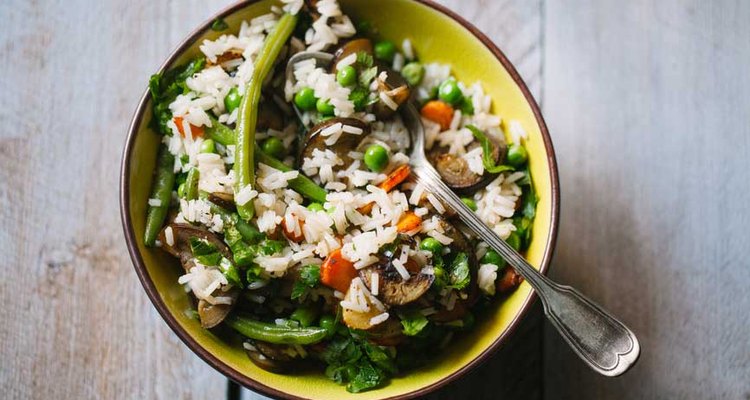
Use coconut oil for a hint of tropical flavor when sautéing veggies or your favorite stir-fry. “I love its versatility,” said Stephanie Dreyer, vegan cooking expert and founder of VeegMama. “It’s lighter and adds a delicious flavor to vegetables,” adds Dreyer. Spread coconut oil over breakfast goodies, such as whole-grain French toast, pancakes and waffles. Because unrefined coconut oil has a lower smoke point, use low to medium or medium-high heat on your stovetop to prevent burning.
When baking, coconut oil is a smart replacement for shortening and hard margarine because it doesn’t contain chemically made trans fats, which are considered the most risky fat form for heart health. To substitute butter or margarine with coconut oil in your favorite recipes, simply use the same amount of coconut oil.
What Do YOU Think?
Do you use coconut oil? What type of results have you had? What’s your favorite way to use coconut oil? Let us know by leaving a comment!
Related Articles
Skin Benefits of Eating Coconut Oil

Coconut Oil Vs. Olive Oil for Fat Loss

Can Borage Oil Help Acne?
Coconut Oil & Weight Gain

What Are the Benefits of Extrapone ...
Is Raw Coconut Good for Skin?
Differences Between Roasted & Raw Nut ...
Mineral Oil Vs. Olive Oil

Effects of Flaxseed Oil on Skin Wrinkles

A Low-Cholesterol Diet Plan Menu
The Shelf Life of Pumpkin Seed Oil

Organic Extra Virgin Coconut Oil for ...

Eucalyptus Oil & Acne

What Is Expeller Pressed Canola Oil?
Recommended Daily Dosage of Saw ...
Which Cooking Oil Can You Use on the ...

What Foods Provide Calcium D-Glucarate?
Is Cashew Butter Healthy?

How Are Perfumes Tested on Animals?

Can Ghee Improve Dark Under-Eye Circles?
References
- Library of Congress: Is Coconut a Fruit, Nut or Seed?
- Am J Clin Nutr. 2008 Mar;87(3):621-6. Weight-loss diet that includes consumption of medium-chain triacylglycerol oil leads to a greater rate of weightand fat mass loss than does olive oil. St-Onge MP1, Bosarge A.
- Physiology & Behavior; Fatty Acid Chain Length, Postprandial Satiety and Food Intake in Lean Men
- Academy of Nutrition and Dietetics: All About Oils
- American Heart Association: Know Your Fats
- Alzheimer’s Society: Science behind the headlines: How to reduce your risk and other popular topics
- Johns Hopkins Medicine: High-Fat Ketogenic Diet to Control Seizures Is Safe Over Long Term
- Today’s Dietitian; Saturated Fat: Not So Bad or Just Bad Science?
Writer Bio
August McLaughlin is a health and sexuality writer and author of "Girl Boner: The Good Girl's Guide to Sexual Empowerment." Her work appears in Cosmopolitan, The Washington Post, DAME Magazine, LIVESTRONG.com and more. augustmclaughlin.com